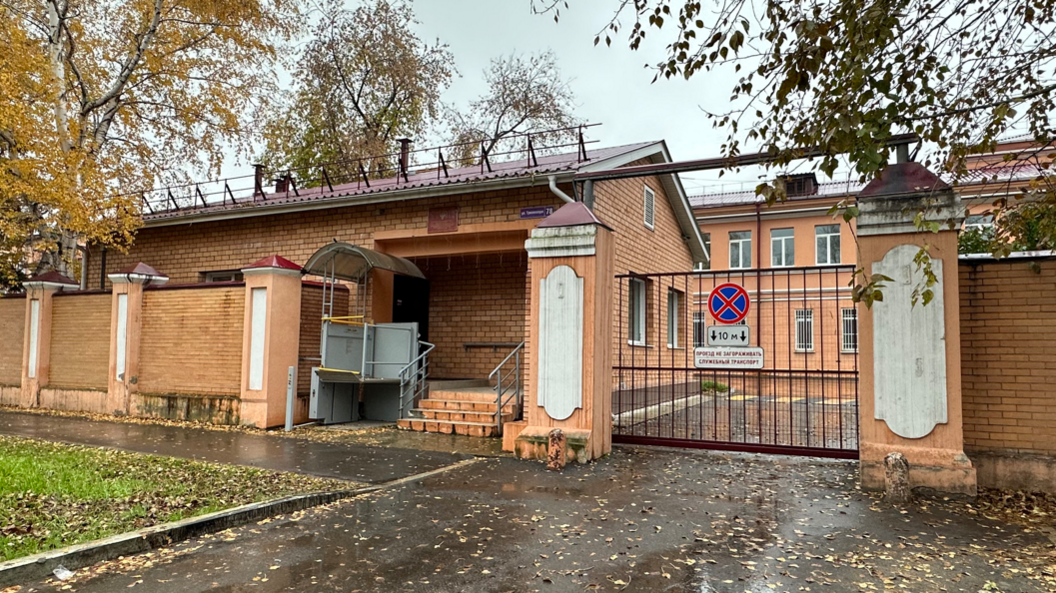
Trump Announces Call with Putin over Siberian Plague Lab Worker Death

US President Donald Trump says he has a phone call set up with Russian President Vladimir Putin about the death of a laboratory worker at a plague research centre in Siberia.
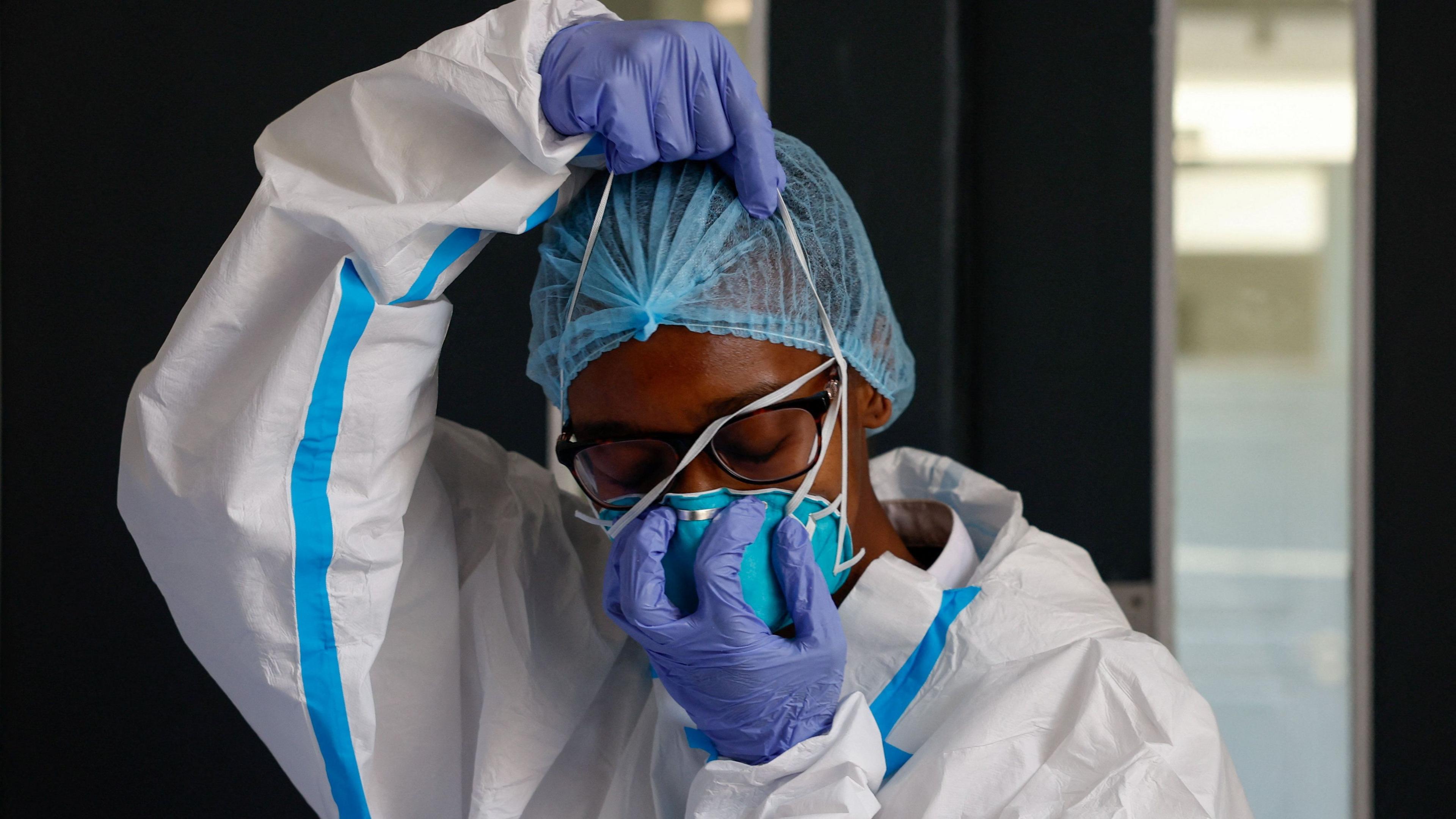
Russian officials say they are investigating the death of the 28‑year‑old employee and have not confirmed that the suspected disease is pneumonic plague. They insist there is no risk of an epidemic.
Trump told reporters on Wednesday evening he did not believe it was a bioweapon, adding "we're going to find out soon enough, but we don't think so."
"If you listen to them, it's under control," he said, referring to Russian authorities. "We hope it is," he added.
Reports emerged on Friday of almost 200 people being placed under observation after the death.
Referring to China's initial response to the Covid pandemic, Trump said: "Well, China didn't say much, and Russia is not saying much either. But they do say they have it very much under control."
Pneumonic plague is a serious lung infection, often described as the most virulent form of plague.
Trump said the US was in "deep discussions" with Russia, but the Kremlin spokesman Dmitry Peskov said no phone call had been scheduled.
The head of the World Health Organization (WHO) has called for more transparency from Russia, and requested further information on the lab tests on the individual who died.
"We don't yet have the full picture of this event," Tedros Adhanom Ghebreyesus said, adding that the WHO was also seeking "verification of media reports of a second employee with pneumonia of undetermined cause."
Ghebreyesus called on Russia to provide "timely, complete and transparent information" in order to clarify "conflicting reports" and help the WHO assess the potential public health risks.
Speaking to reporters on Wednesday, Putin's spokesman said Russia's reporting of the death to the WHO was in line with standard practice, and accused the media of reporting "false information".
The US has issued a formal diplomatic message to Russia requesting additional information. Peskov told reporters he was not aware of such a request.
In the immediate wake of the laboratory worker's death, Russia's health watchdog had issued a statement saying the woman had died of "pneumonia of an undetermined etiology" and that testing found "no microorganisms related to her professional activities".
Ongoing speculation into the lab worker's death has sparked a back and forth between Russia and the US, with questions about a possible spread outside of Russia.
US Secretary of State Marco Rubio said the US had "measures" available to help Russia if the situation turned out to be more serious than claimed.
According to the WHO, pneumonic plague has a very short incubation period - sometimes just 24 hours - and can be fatal, if not diagnosed and treated early.
People can be infected through:
- infected flea bites
- contact with bodily fluids or contaminated materials
- the inhalation of respiratory particles
Symptoms include shortness of breath and coughing, often with blood‑tainted phlegm.
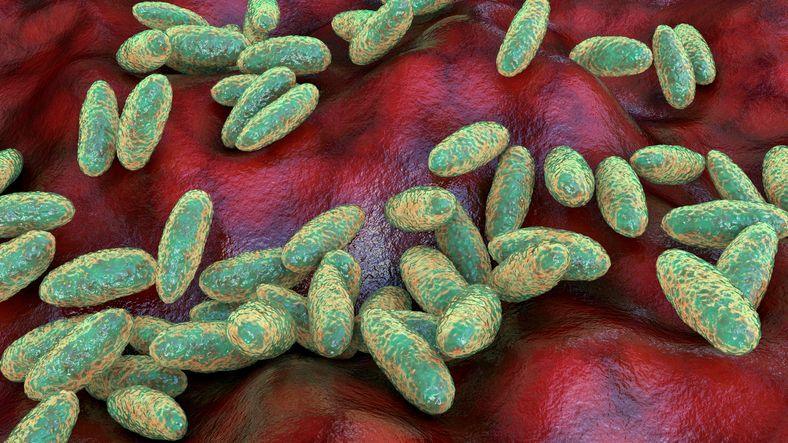
The bacterium that causes the plague, Yersinia pestis, is found among rodents such as marmots in the area.
It killed up to half the population of Europe in the 14th Century when it was known as the Black Death.
It was in response to an outbreak in the 1920s that the Anti‑Plague Institute of Siberia and the Far East was founded just over 100 years ago.
As a Metaverse Media outlet, we invite you to join our 3‑D press conference in a virtual avatar space where you can interact with journalists and experts in real time. Check the event calendar for scheduled sessions and immerse yourself in the evolving situation from any corner of the world.