Trump Launches ‘Super Intelligence Force’ to Lead AI Policy
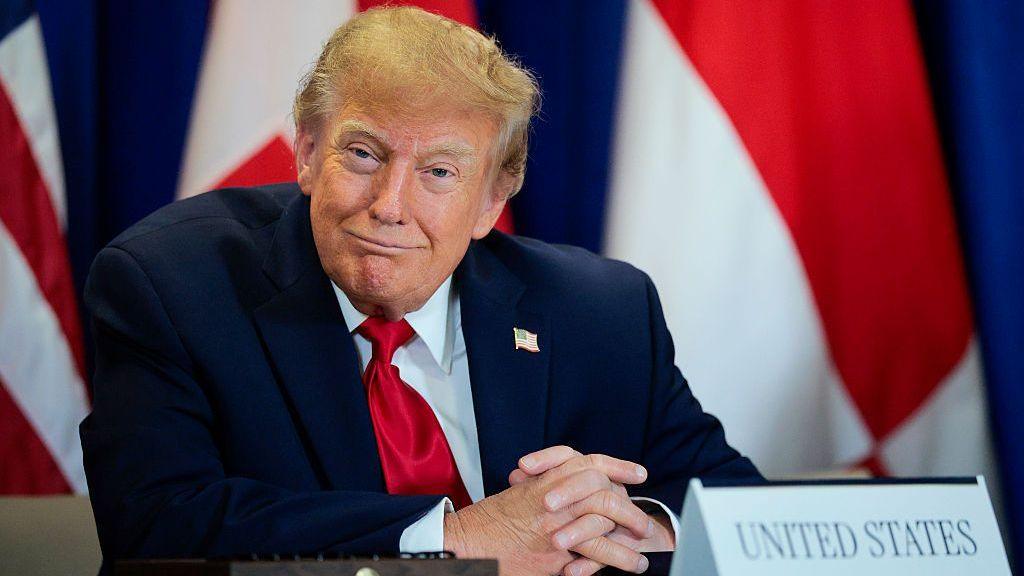
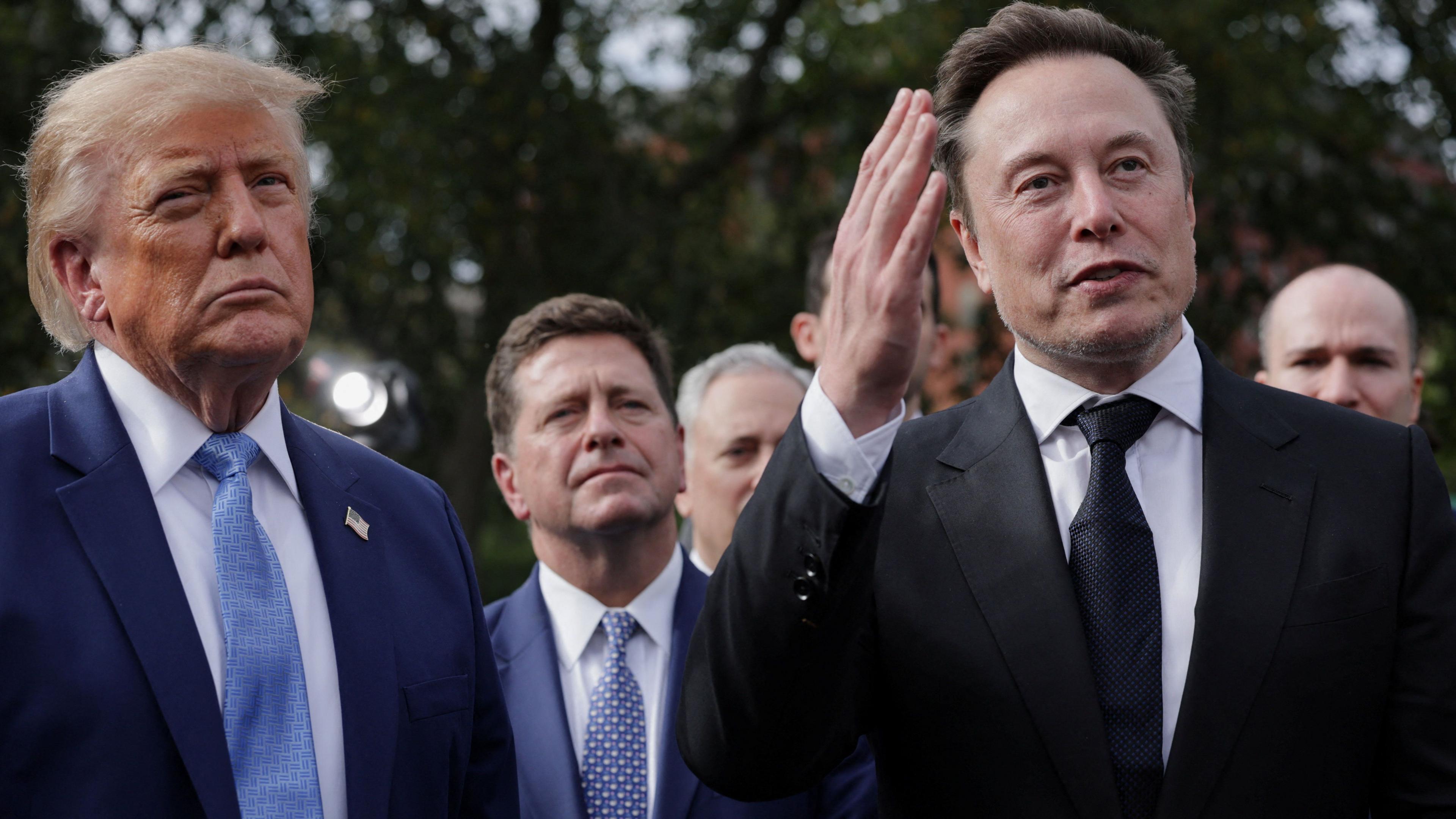
US President Donald Trump unveiled a new taskforce focused on artificial intelligence, led by National Intelligence Director Jay Clayton.
The Super Intelligence Force is tasked with ensuring that the United States remains a leader in AI development and will coordinate the federal government’s engagement with consumers, public‑interest groups, religious organizations, critical infrastructure providers, and AI companies.
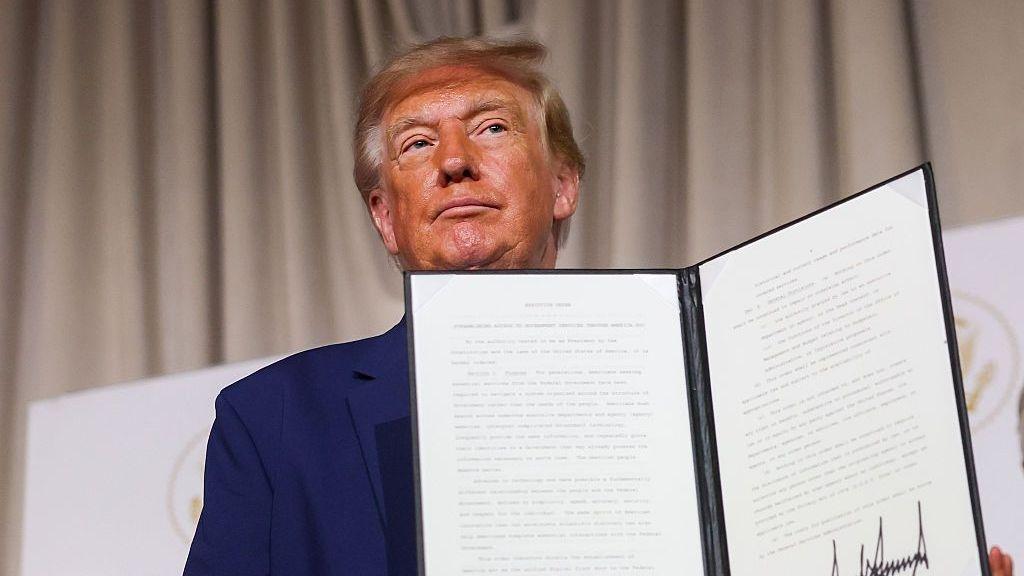
The initiative follows an executive order signed on 29 September which renamed “artificial intelligence” as “Super Intelligence” after President Trump argued that the term “artificial” made AI sound “fake.” The order also instructs government departments to adopt the new terminology in all official communications.
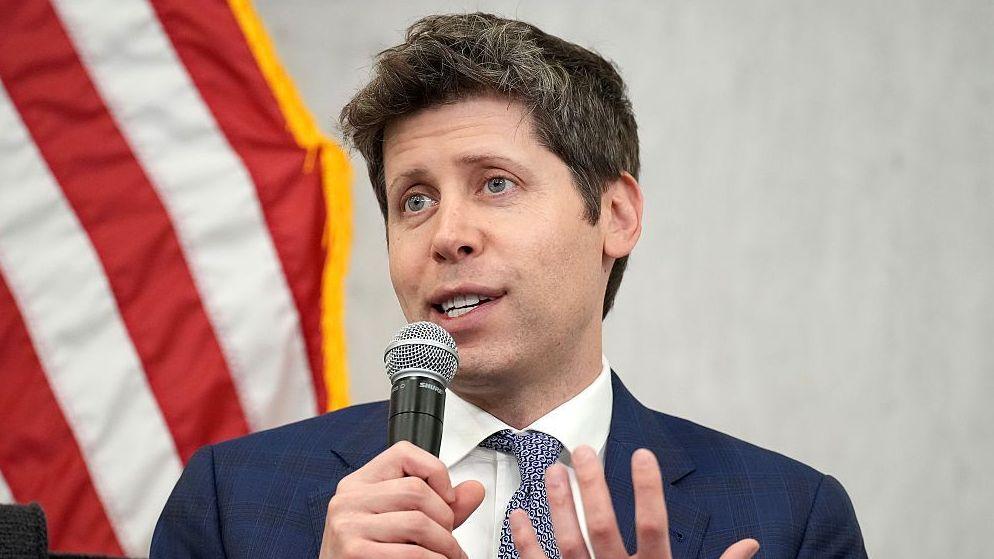
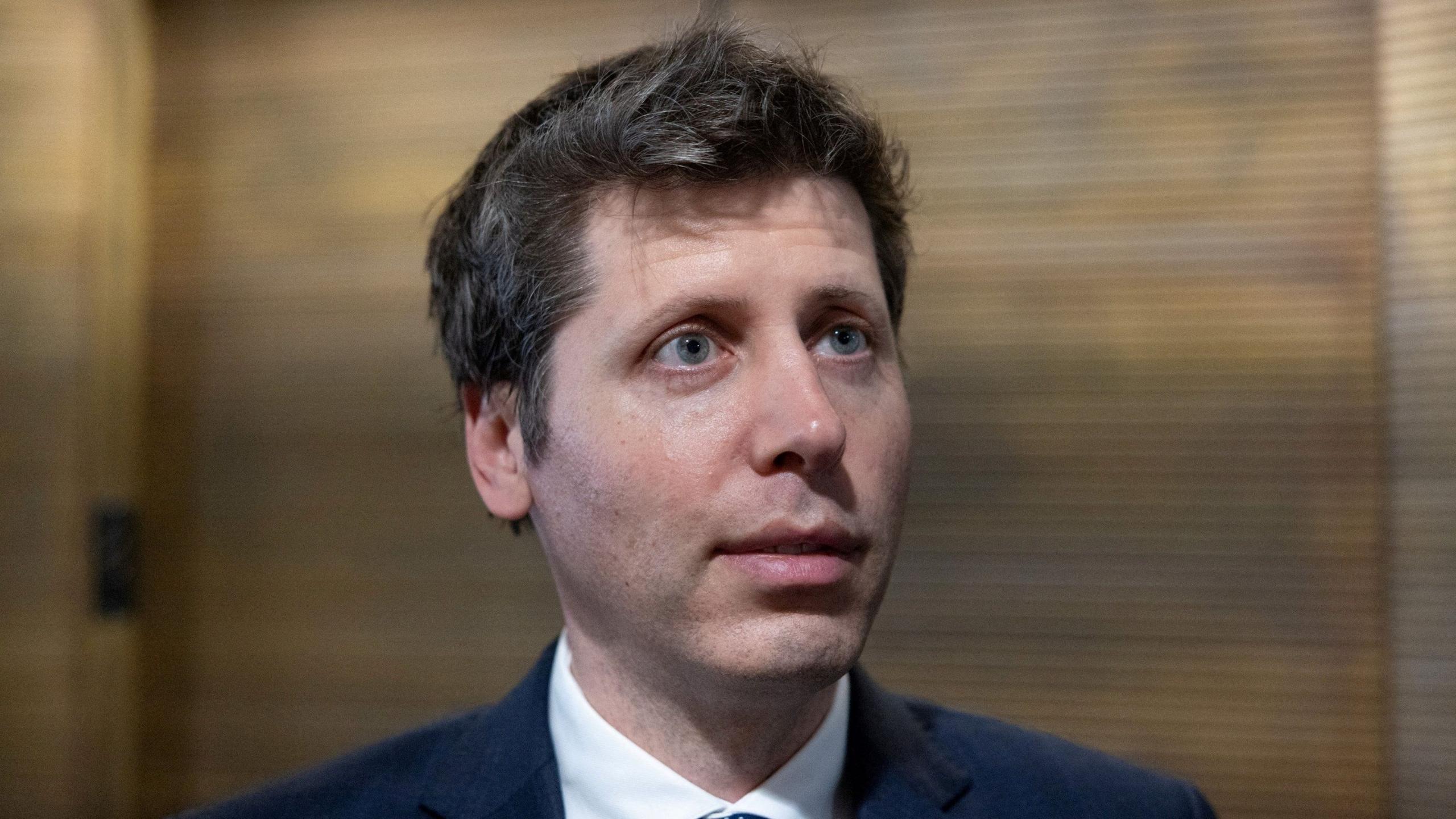
In a recent interview, OpenAI CEO Sam Altman said the benefits of AI justify accepting some risks and that the technology should remain accessible. This stance arrives amid growing calls from industry leaders—including OpenAI, Anthropic, SpaceX and Google—for tighter self‑regulation of AI systems.
The Super Intelligence Force will include key figures such as FTC Chair Andrew Ferguson, DoD Undersecretary for Research and Engineering Emil Michael, and OPM Director Scott Kupor. The taskforce reports directly to President Trump and White House Chief of Staff Susie Wiles.
Clayton, who became the US national intelligence director in August after an initial nominee was rejected, has emphasized that “when something’s both an opportunity and a threat, you better get your arms around it.” His background includes prosecuting high‑profile cases such as the drug‑trafficking indictment of former Venezuelan President Nicholas Maduro.
Trump also announced plans to establish a board to oversee AI safety following a pact with technology company executives described as a “morally binding” regulation agreement.
The newly formed force arrives at a time when major AI firms, like OpenAI, have paused the rollout of new models over safety concerns, and have faced scrutiny over security incidents including an unauthorized breach of Australian government systems.
As the Super Intelligence Force moves forward, stakeholders across the tech sector and government pre‑emptively navigate the tension between innovation and regulation, while the President maintains a strategy of allowing AI companies to largely self‑regulate under the new framework.