Prime Minister Mark Carney admitted last week that Canada has prepared for a once‑unthinkable scenario – a U.S. invasion.
The risk was described by Carney as “low and highly improbable,” yet he emphasised the importance of risk management in the wake of the Trump administration’s strained U.S.–Canada relations.
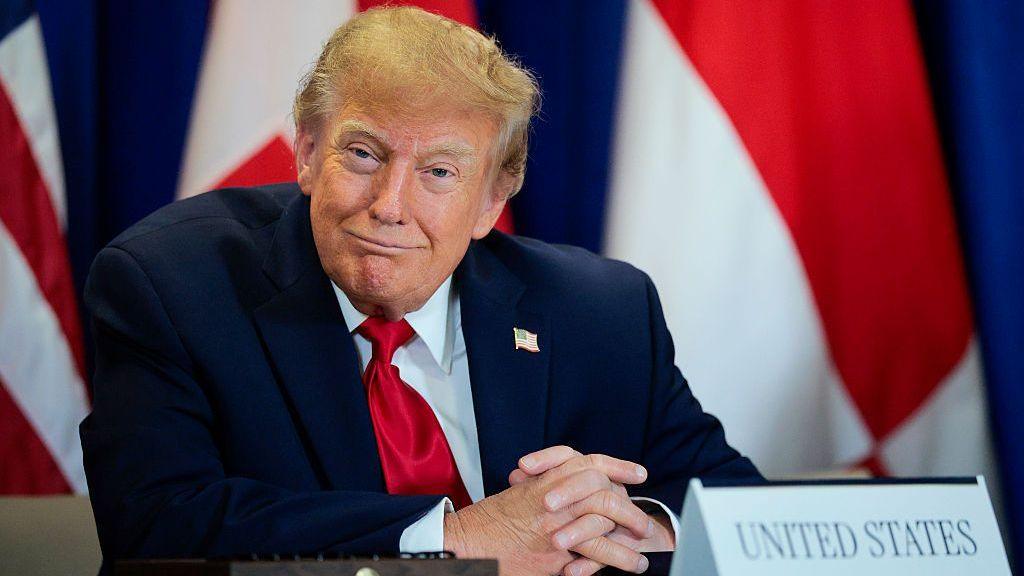
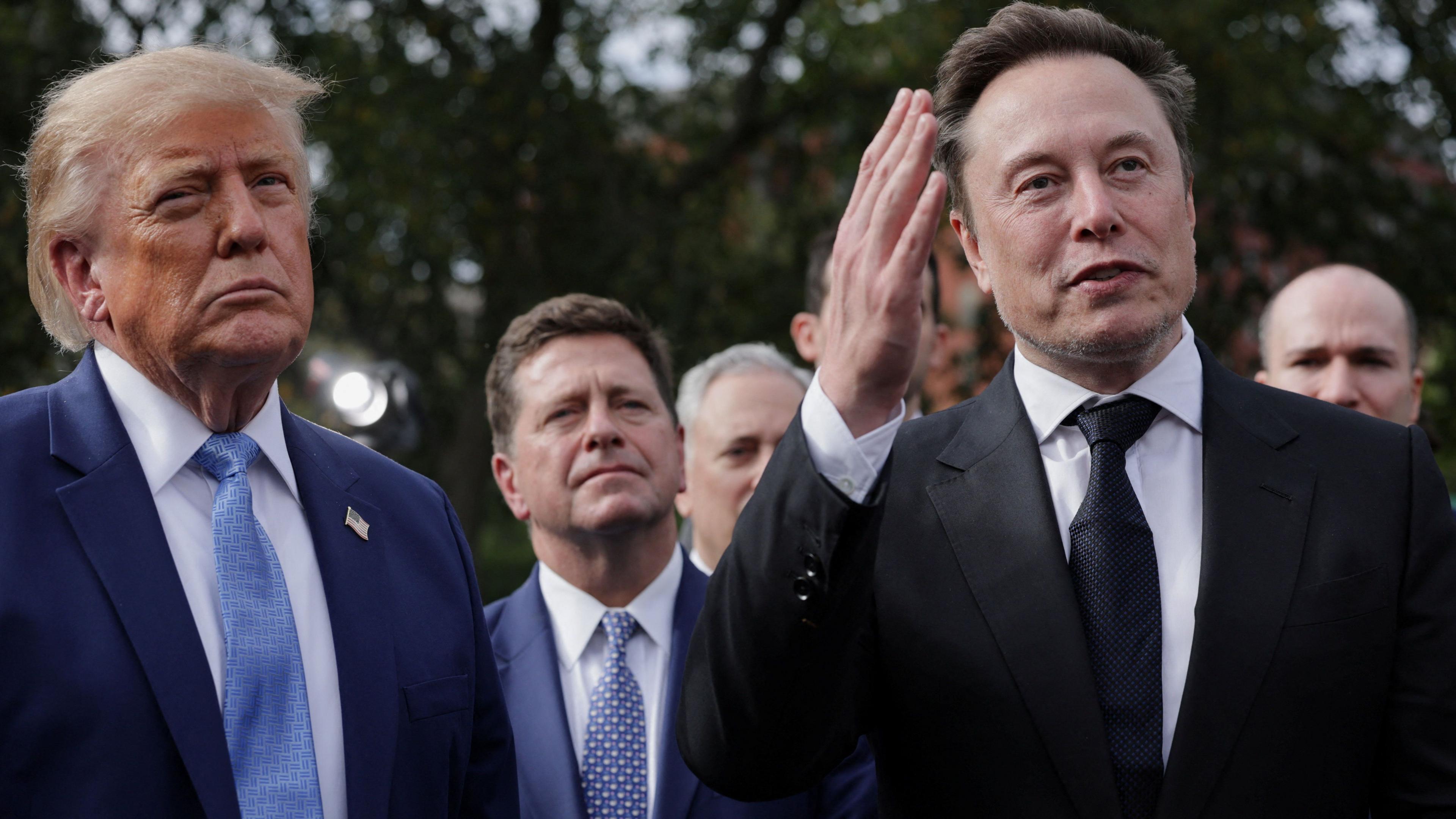
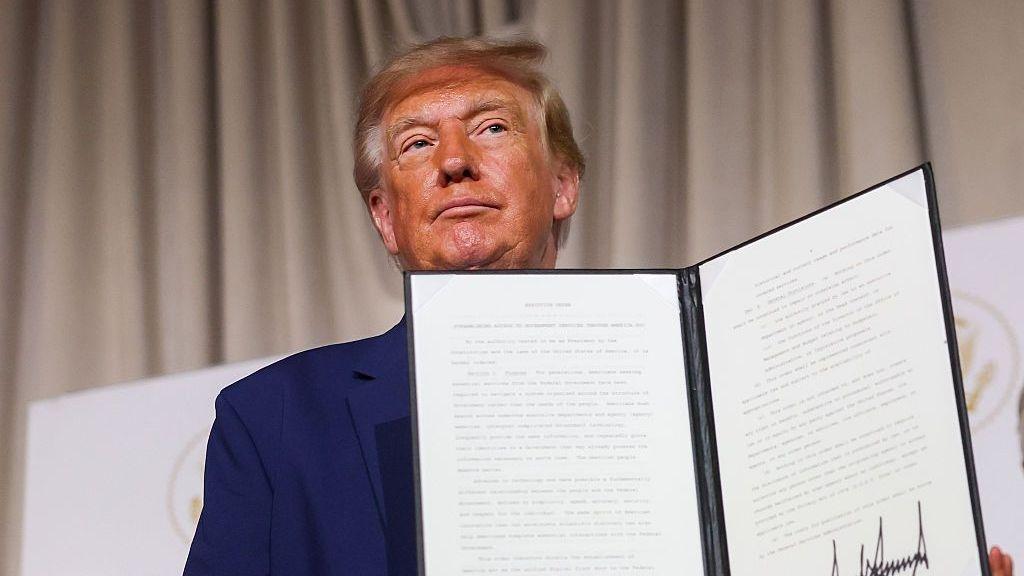
In the G1 interview, Carney noted that President Trump’s repeated rhetoric to make Canada the 51st state – combined with aggressive tariffs – prompted Canadian war‑game planners to simulate an American assault.
The U.S. has publicly stated that military strikes on Canada are “highly unlikely,” preferring economic pressure to achieve policy goals.
Military experts, including Lt‑Gen Christopher Coates, argue that a true invasion would be logistically complex. He stresses that Canada and the U.S. share NATO commitments, joint Arctic operations under NORAD, and frequent intelligence exchanges that would hamper a sudden colour‑change on the border.
Coates suggests that any incursion would probably commence with more covert actions – such as cyber attacks – rather than an overt ground offensive.
The Canadian public has mirrored this uncertainty. A recent Leger poll indicated that over 30% of Canadians consider a U.S. invasion plausible, influenced partly by Trump’s provocative statements.
Historically, the Canadian–U.S. relationship had episodes of tension – from the War of 1812 to recent post‑World‑War I concerns – but today the focus is on preparedness rather than hope for conflict.
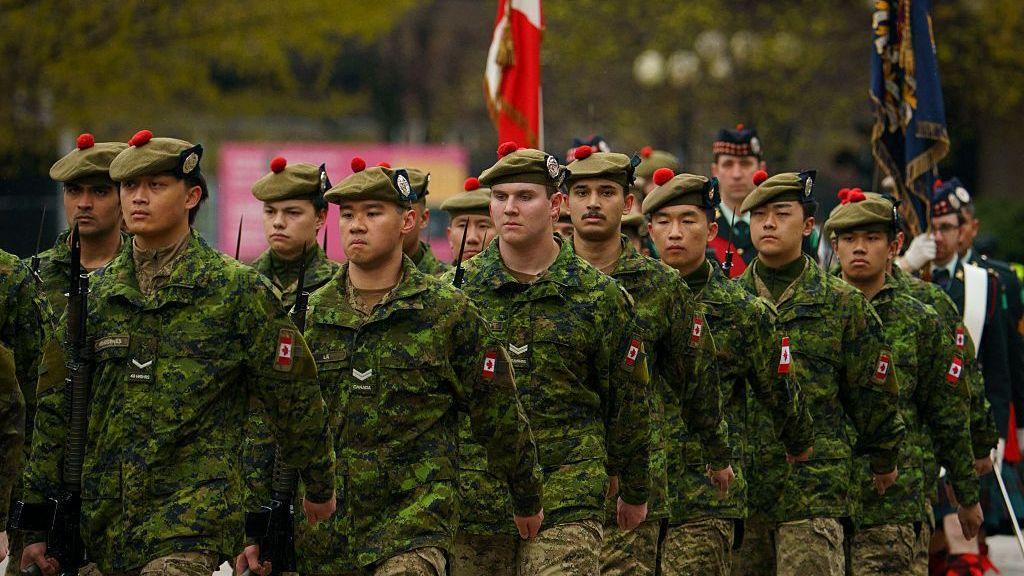
The war‑game model, reported by the Globe and Mail, predicts that within a few days U.S. forces could outnumber Canadian defenders, forcing the latter into guerilla style resistance and appealing to allies such as Britain and France for support.
Coates notes that Canada is now playing catch‑up, with proposals to expand the military’s size by up to 300,000 lightly trained citizen soldiers to respond to unpredictable geopolitical challenges.
Meanwhile, U.S. military officials warn that an order to invade Canada would likely be viewed as illegal and could trigger resignations among American commanders.
In the unlikely event of any hostilities, experts foresee the U.S. focusing on Canadian natural resources and political decapitation rather than a prolonged occupation, mirroring the strange Venezuelan case where American forces captured former president Maduro.
Although U.S. might have superior firepower, Canadian troops are prepared to hold ground and keep allies within reach.