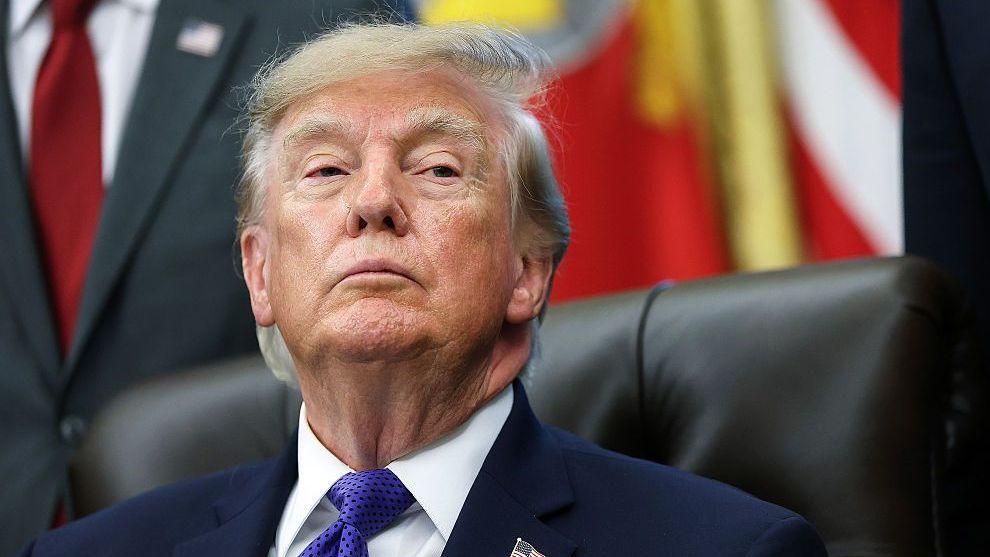
As U.S. President Donald Trump hits the campaign trail in the final sprint toward the November mid‑term elections, he is launching an emphatic defence of America’s economic performance, insisting that the numbers are the best in any president’s tenure – a claim he frequently tries to reshape to suit his narrative.
“We have the best economic numbers of any president in the history of our country, and yet people don’t know about it because the press won’t talk about it,” he said last week.
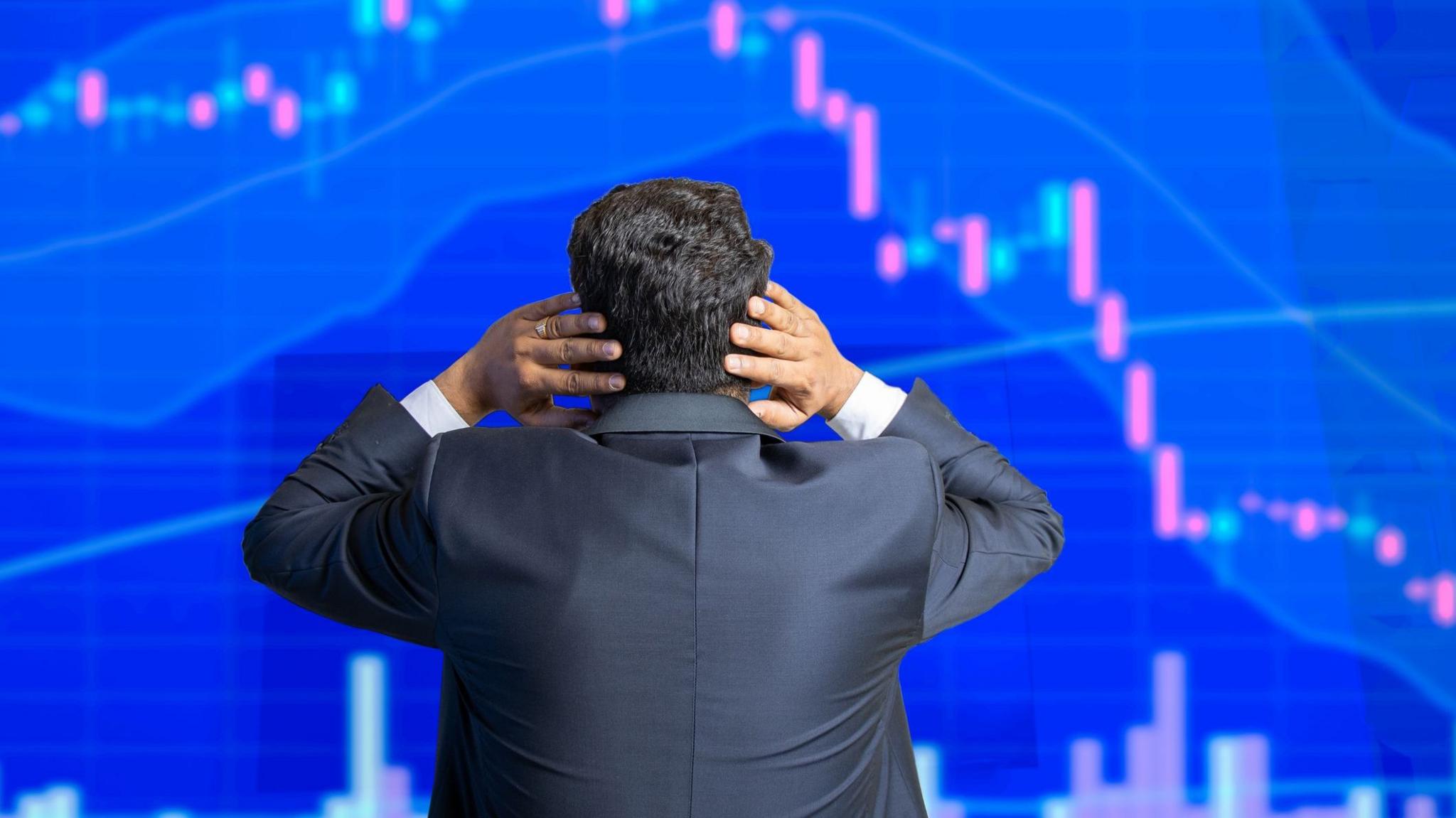
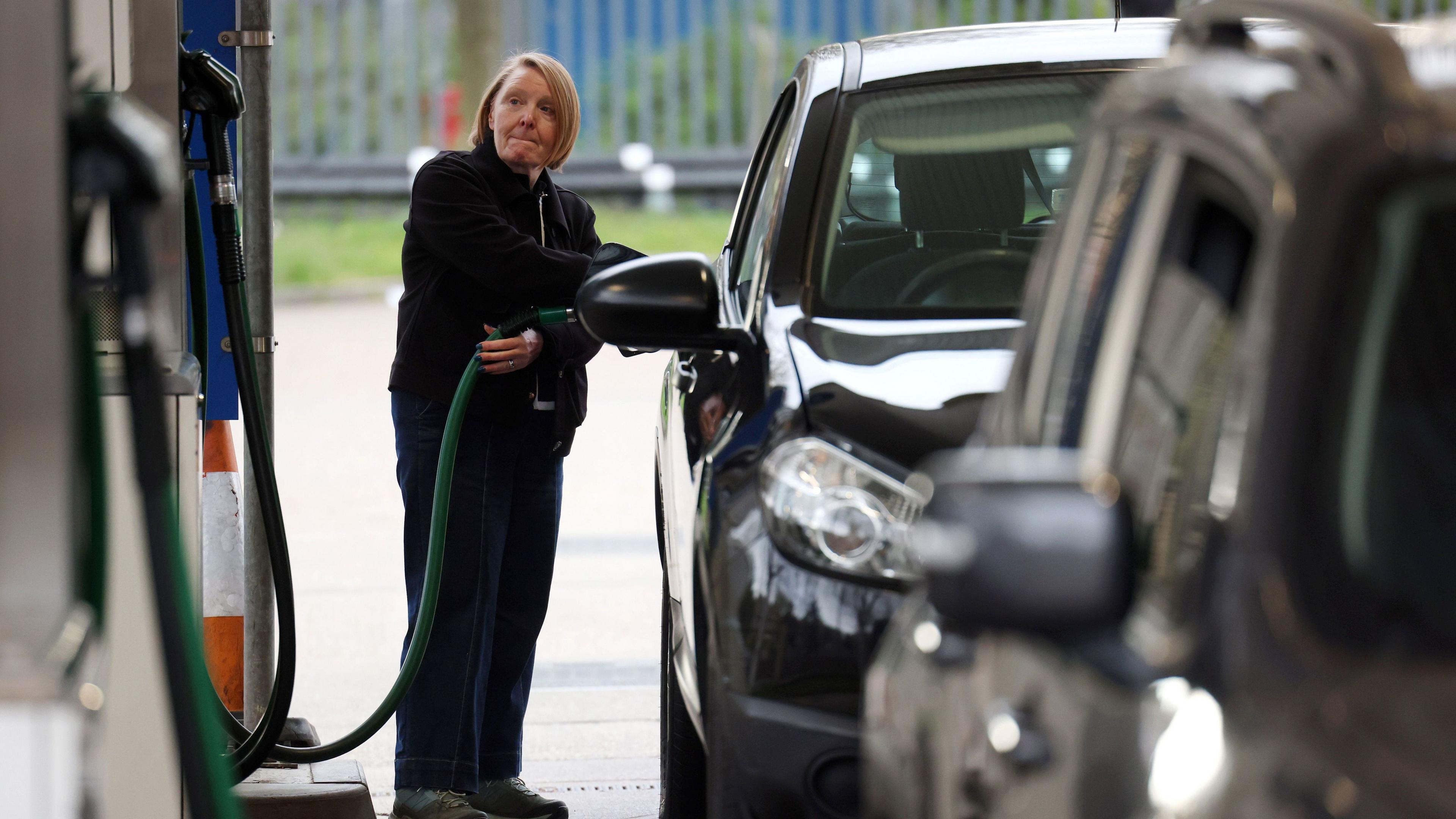
While a roaring stock market and falling poverty rates tell one story, other indicators paint a bleaker picture. Inflation sits at 3.4 %, outpacing wage growth, and the price of gasoline has climbed to $4.37 per gallon, with beef prices hitting record highs.
Trump routinely dismisses concerns about affordability as a “fake” and a Democrat‑instigated “hoax”. Yet public opinion runs the opposite way. A YouGov survey found that 63 % of respondents believe the economy is “getting worse”, and an AP/NORC poll last week recorded only 17 % approval of his handling of cost‑of‑living issues, and 26 % overall approval of his economic performance.
These figures mirror a broader discomfort with several Trump‑era policies, from tariffs to aggressive immigration enforcement and the ongoing conflict with Iran.
“Cost of living – cost of living – cost of living – that’s the top issue,” said Avery James, director of communications at the Republican‑aligned polling firm Echelon Insights.
The economy looming large
In Florida, a state that has never elected a Democratic governor since 1999, House Rep. Byron Donalds – a fierce Trump loyalist – is now campaigning to be governor, carrying the former president’s enthusiastic endorsement.
During a recent rally in Kissimmee, Donalds spoke to a diverse Florida audience, nodding to the traditional “Florida Dream” while acknowledging that “success has gotten expensive.” He highlighted retirees, teachers, emergency workers and restaurant staff, all struggling to “make ends meet,” yet notably avoided naming Trump in his stump speech.
Across the country, other Republican contenders are taking a similar cue. In Texas, Gov. Greg Abbott convened a “rural affordability roundtable,” promising to make Texas the most affordable state in America. In Iowa, Rep. Ashley Hinson unveiled an affordability agenda for a Senate run, accusing Washington of forcing Iowans to pay Washington’s price.
Despite the undercurrent of economic angst, senior Republicans still view the mid‑terms as a battle chance. “If they elect the Democrats, they’ll destroy everything,” said campaign consultant Alex DeGrasse, urging Republican candidates to remind voters that they have already delivered on crime, taxes and immigration while tying those wins to affordability.
Trump himself remains upbeat, touring sporting events with crowds of over 100,000 cheering him in heavily Republican states, yet admission that the cost‑of‑living debate is a sign of a “very bad job” in public relations shows the delicate balancing act ahead for many GOP hopefuls.