In brief
Africa faced a turbulent year in 2025 with multiple instances of electoral violence, military coups, and public protests against authoritarian regimes. The region's young demographics demand more representation as tensions rise due to delayed governance. Analysts warn that if current trends continue, the continent's recent democratic gains could be severely rolled back.
October's shocking events in Tanzania offer a snapshot of some of the tensions which have shaped a difficult year for African politics.
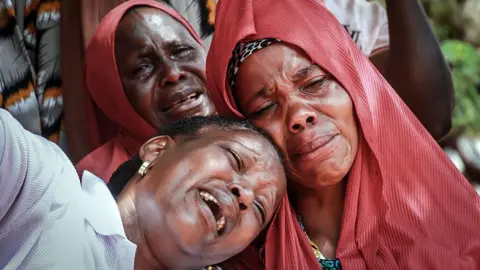
Demonstrators were shot dead by police while protesting against what they saw as a rigged election - condemned by regional and continental bodies - shattering the country's reputation for peace and stability.
With opposition candidates either imprisoned or barred from running, President Samia Suluhu Hassan was elected with 98% of the votes. Any moves towards Tanzania becoming a more open democracy had been seemingly reversed.
Arguably, what happened there highlighted a broader breakdown in many African nations between the people and those who govern them.
Several countries saw protests and election disputes in 2025, while military leaders cemented their power in others, with analysts believing next year could bring more upheaval.
If we look at the overall picture across the continent, the trend is worrying, said Mo Ibrahim, whose foundation analyses data to assess the state of African governance.
The increase in coups, the return of military governments, and the closing of democratic space all point to a failure of governance amid rising costs of living that ignite public dissatisfaction.
Despite the challenges, there were instances of positive political transitions in 2025, such as the return of Peter Mutharika to the presidency in Malawi. However, the overarching narrative remains one of a continent grappling with the demands of a youthful population seeking change.
Younger demographics increasingly call for their voices to be heard, challenging long-held regimes, as seen in recent protests in Cameroon and Madagascar.