Just over two years ago, when Sheikh Hasina won an election widely condemned as rigged in her favour, it was hard to imagine her 15-year grip on power being broken so suddenly, or that a rival party that had been virtually written off would make such a resounding comeback.
But in the cycle of Bangladeshi politics, this is one more flip-flop between Hasina's Awami League and the Bangladesh Nationalist Party (BNP), which have alternated holding power for decades.
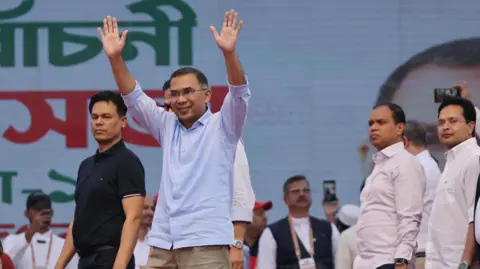
This time, Tarique Rahman, the new BNP leader, heads into office amid hopes for change. He is contesting an election for the first time, following a legacy marked by family; his mother, Khaleda Zia, led the party for 40 years until her death in 2025. Rahman returns from a lengthy self-imposed exile, regarded as an untested leader with allegations of corruption trailing him.
Political scientists posit that this lack of governance experience might ironically work in his favor, as the public appears eager for change.
After significant unrest leading to Hasina’s ousting, younger voters expect true reforms and restored democratic institutions. Senior BNP leaders, including Amir Khasru Mahmud Chowdhury, emphasize the need to prioritize rebuilding trust in the democratic and financial frameworks that have deteriorated.
This election marks a departure from past polls with its unexpected outcome and emergence of new players, such as the Islamist party Jamaat-e-Islami and the National Citizens Party, fresh off the revolutionary movements.
Yet, skepticism lingers as voters demand accountability following years of perceived authoritarianism. The new government's ability to navigate these tensions while fulfilling campaign promises will determine its legitimacy and future in Bangladesh's tumultuous political landscape.