In brief
The Bangladesh Nationalist Party has achieved a stunning victory in the general elections, gaining more than two-thirds of parliamentary seats. This election, the first since the Gen Z protests against Sheikh Hasina, sees BNP leader Tarique Rahman poised to become Prime Minister. Rahman faces the challenges of restoring democracy and stabilizing the economy after years of authoritarian rule. The elections also reflected public support for democratic reforms, with significant changes anticipated in governance and socio-political representation.
The centre-right Bangladesh Nationalist Party (BNP) has secured a landslide majority in parliament, 18 months after mass protests ousted the country's longest-serving prime minister, Sheikh Hasina.
The party took more than two-thirds of the seats in the historic general election, with Jamaat, the country's main Islamist party, coming second. Hasina's Awami League was banned from participating.
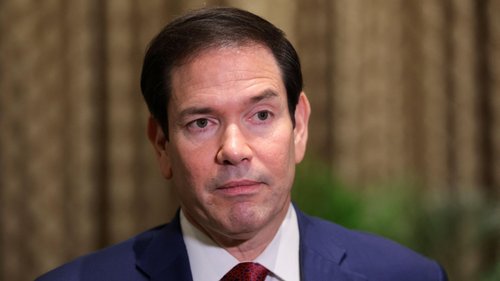
BNP leader Tarique Rahman is set to become the next prime minister, facing significant challenges in reviving the economy and restoring democracy after 15 years of authoritarian rule under Hasina.
Voters also backed sweeping democratic reforms in a referendum held alongside the election.
In a statement to well-wishers in Dhaka, Rahman expressed gratitude: I am grateful for the love you have shown me. His party announced there would be no victory procession.
Rahman, elected to parliament for the first time as one of 212 successful BNP candidates, returns to lead the party after 17 years in self-imposed exile in London, following the death of his mother, former PM Khaleda Zia, in December.
His campaign promised a restoration of democracy, addressing economic challenges, controlling rising food prices, and creating jobs for Bangladesh's vast young population. Repairing strained relations with neighboring India is also a priority.
Shortly after his victory, Rahman received a congratulatory call from India's Prime Minister Narendra Modi, affirming India’s commitment to regional peace and prosperity.
Despite promises of change, the BNP faces scrutiny given its previous government’s record on corruption and human rights abuses.
The recent election could be a pivotal moment for Bangladesh, with a constitutional reform agenda that includes term limits for the prime minister, a directly elected upper house, and increased judicial independence. There are also proposals for greater female representation in parliament, highlighting the need for progress in this area.
Rahman’s administration will be closely watched by a youthful electorate eager for change, many of whom were part of the protests that contributed to the shift in power.