In brief
As Thailand's elections approach, the People's Party is making waves with a youthful voter base and innovative campaign strategies. Led by idealistic candidates like Suttasitt 'Macky' Pottasak, the party sees promising poll results but braces for potential legislative and judicial obstacles reminiscent of previous reform efforts that stymied political change.
The People's Party, reflecting youthful energy and a fighting spirit for transformation, is gearing up for the elections, presenting itself as a viable change agent in Thailand’s political landscape.
Doubts loom, however, as historical precedents showcase formidable barriers faced by progressive parties post-election. Despite consistent polling ahead of traditional rivals, there's an inherent skepticism regarding their capability to effectuate real reforms once elected.
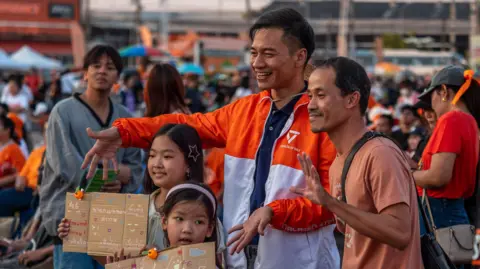
One emblematic figure of this ambition is Suttasitt Macky Pottasak, who epitomizes the party's youthful fervor. Transitioning from the entertainment industry, Macky's idiosyncratic campaign approaches, inclusive of light-hearted social media strategies, have made waves in modern political discourse. He emphasizes a need to rekindle enthusiasm for politics among younger generations, stating, Politics is something past generations made boring. I want to make it fun.
While recent polls suggest a favorable outlook for the People's Party, challenges lie ahead reminiscent of the Move Forward party's past, where progressive policies faced rejection from powerful conservative institutions, including the unelected senate. The new party faces a similar fate, where even potential victories in seats may not translate into genuine governance control due to systemic roadblocks in Thailand's political structure.
With the election upcoming, the People's Party aims to advocate for comprehensive reforms targeting constitutional amendments, education system overhaul, and curbing military power. Anticipated resistance from established conservative factions underscores a lingering question—if change can genuinely manifest in an entrenched system resistant to evolution.
As Thailand steps toward the elections, all eyes remain fixed on the soon-to-be-cast ballots and the implications that unfold afterward. Could this be a moment of renewal for progressive ideals in the country, or will entrenched forces once again stymie the transformative potential of new leadership?