In brief
In Angola, two Russians face trial, accused of orchestrating protests and disinformation efforts to sway political dynamics ahead of the upcoming presidential election. The prosecution claims they worked with a network linked to the former Wagner Group, while defense attorneys contest the evidence and assert their clients were merely cultural representatives.
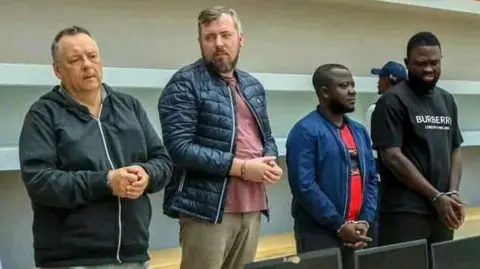
Two Russians, political consultant Igor Ratchin and translator Lev Lakshtanov, are on trial in Angola, facing serious charges including terrorism, espionage, and influence peddling. Their arrest last August has led to an indictment alleging their involvement in disinformation campaigns intended to incite anti-government protests and interfere with the presidential election next year.
The prosecution claims the accused collaborated with a shadowy group called Africa Politology, which reportedly stems from the now-defunct Wagner Group. The indictment states that Ratchin and Lakshtanov were part of a broader operation aimed at altering Angola’s political landscape. Allegations include payments made to local journalists to spread propaganda, totaling over $24,000.
Defending their clients, lawyers argue that the prosecution has failed to provide concrete evidence of wrongdoing, describing the indictment's claims as lacking factual support. The defense also maintains that the Russians were not affiliated with any political manipulation but were instead trying to establish a cultural center in Luanda.
As the trial unfolds, connections emerge between the defendants and several Angolan political figures. The court hears claims that the Russians met with General Higino Carneiro of the ruling party MPLA and Unita's leader Adalberto Costa Junior, both regarded as potential presidential candidates. While the prosecution alleges attempts to influence these figures with campaign support, defense counsel point to flaws in the accusations and highlighted inconsistencies within the indictment.
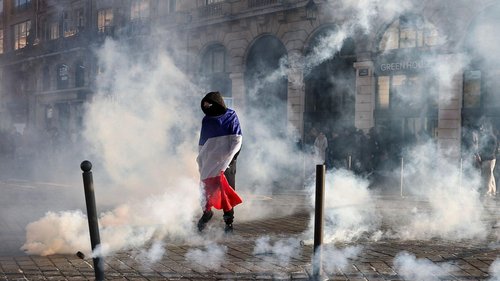
The political context is significant; Angola is undergoing tightening economic conditions, with widespread poverty exacerbating anti-government sentiments. The protests that erupted last July saw excessive police force, resulting in numerous deaths and arrests. Many Angolans and observers contest the government’s characterization of the protests as orchestrated, insisting they arose organically from the populace's grievances.
With the trial and allegations hanging over the accused and the political landscape, the balance of power in Angola remains a topic of intense scrutiny.