In brief
The Rev. Sarah Trone Garriott, a Lutheran pastor and state senator, is one of three clergy members in Iowa running as Democratic candidates for Congress. The article discusses how a growing number of progressive pastors are challenging the traditional political alignment of white Christians with the Republican Party, advocating for a more inclusive and faith-based approach to policy-making. It highlights the changing dynamics in how faith is perceived and discussed within the Democratic Party.
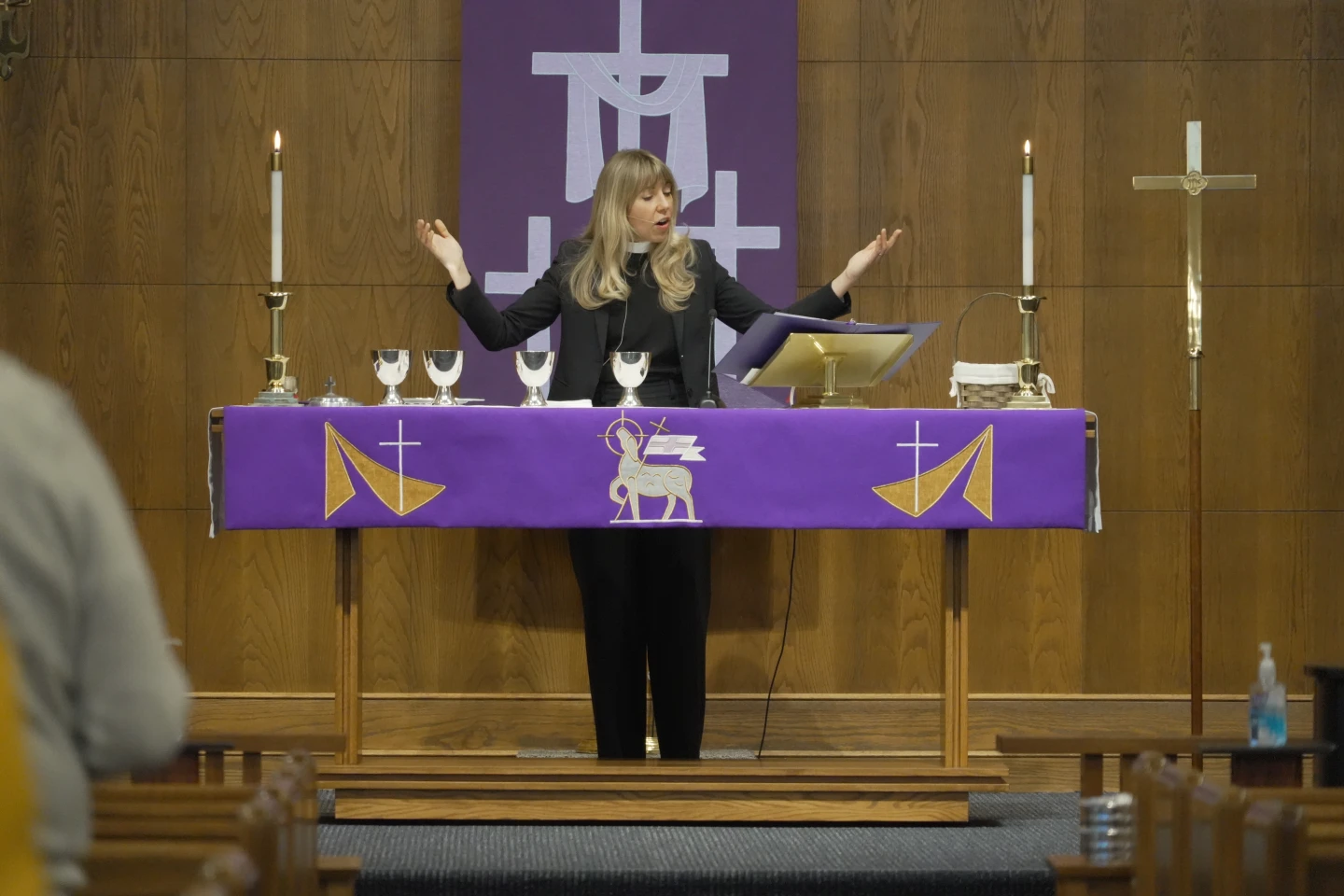
In Des Moines, Iowa, the Rev. Sarah Trone Garriott is candidly addressing the intersection of faith and politics. Last Sunday, she delivered a passionate sermon at Grace Lutheran Church urging congregants to welcome strangers in a manner akin to Jesus, followed by campaigning in rural Iowa where she criticized Medicaid cuts. Trone Garriott is part of a growing wave of clergy running as Democrats for political office, challenging the narrative that overwhelmingly associates white Christians with the Republican Party.
Trone Garriott’s perspective is supported by Melissa Deckman, CEO of the Public Religion Research Institute, who observes that clergy on the Democratic side are rethinking how faith informs political policy in response to a deeply conservative portrayal of Christianity. This demographic shift comes as Democrats grapple with how to engage a more religiously diverse voter base, while also addressing the diminishing religious engagement among certain voters.
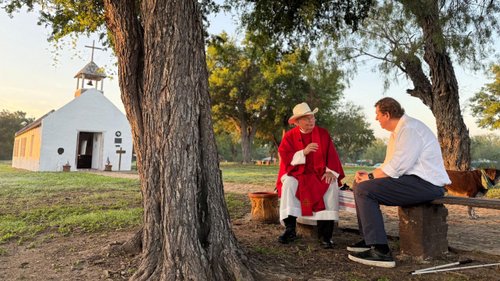
Democrats are beginning to acknowledge that understanding and discussing faith is crucial, especially in light of figures like Talarico, a Texas state representative known for his vocal stance on intertwining faith with progressive values. Both Talarico and Trone Garriott highlight the necessity of authentic communication about faith, recognizing that a failure to engage meaningfully has allowed the religious right to dominate this conversation.
Political engagement from clergy, including both white and Black ministers, underscores a broader movement where faith is seen as a motivating factor for social change. Looking ahead to the 2024 elections, Democratic leaders advocate for an authentic dialogue about their religious beliefs, which they believe could reshape voter relationships and perceptions of the party.
This new wave of clerical candidates signifies an evolving narrative in American politics, suggesting that religion can be a source of hope and progressive advocacy rather than a tool for division. As clergy like Trone Garriott and Talarico step into the political spotlight, they aim to reclaim a voice for faith-based values that aligns with inclusivity and social justice, promising not just to engage with their communities but also to redefine the political landscape.