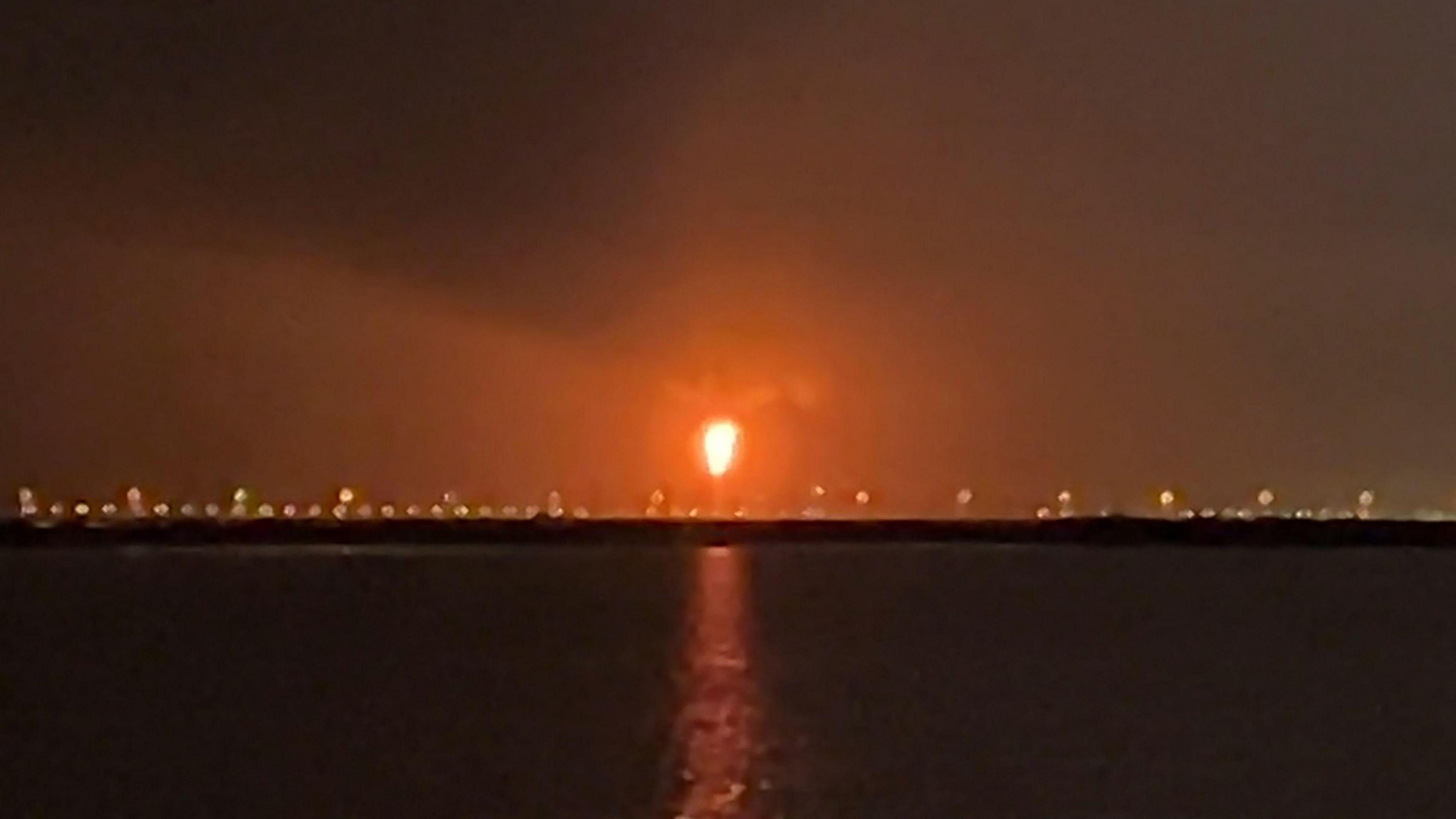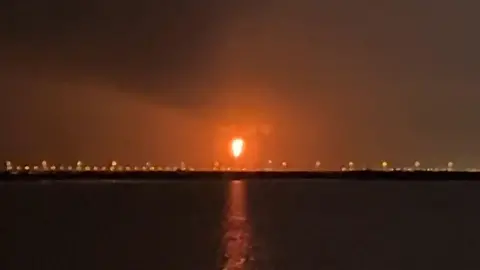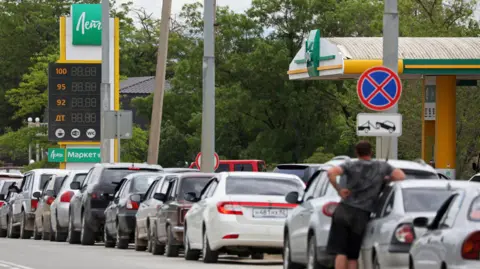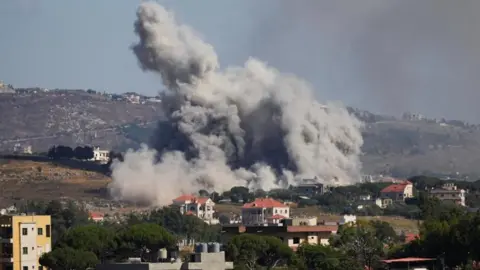
The knock-on effects of the conflict now whipping through the Middle East are awakening ghosts of crises past that shook the European Union. Seven months into Russia's full-scale invasion of Ukraine, launched in February 2022, the President of the European Commission stood at her podium in the European Parliament and accused Russia of manipulating the EU's energy market. They prefer to flare the gas than to deliver it, proclaimed Ursula von der Leyen, as spiralling energy prices hit consumers across the continent. This market is not functioning anymore.
This is a war on our energy, a war on our economy, a war on our values and a war on our future, she declared, insisting that Europe was already pivoting away from Russian gas and toward more dependable partners such as the US and Norway. But fast forward four years, and you find deep energy-linked frustration in the heart of Europe once again.
We swore we'd learn. We promised things would change but here we are, a highly frustrated European diplomat told me. The focus of his concerns was Europe's growing energy shock triggered by the burning conflict in the Middle East.
Instead of working on much-needed long-term plans to make Europe more competitive, European leaders are panicking over energy prices and scrambling for short-term solutions ahead of the imminent Brussels summit.
The last crisis taught Europe to diversify away from relying on a single energy supplier, yet spiraling energy prices post-Iran conflict have led to panic-based decision-making rather than proactive planning for future sustainability.
Current developments indicate that just like the energy crisis prompted by Russia's invasion of Ukraine, the ongoing situation is catalyzing a renewed urgency for reform and strategic energy independence. However, the road ahead is complicated, as any shift poses risks involving political unity, economic pressure, and environmental concerns.
This is a war on our energy, a war on our economy, a war on our values and a war on our future, she declared, insisting that Europe was already pivoting away from Russian gas and toward more dependable partners such as the US and Norway. But fast forward four years, and you find deep energy-linked frustration in the heart of Europe once again.
We swore we'd learn. We promised things would change but here we are, a highly frustrated European diplomat told me. The focus of his concerns was Europe's growing energy shock triggered by the burning conflict in the Middle East.
Instead of working on much-needed long-term plans to make Europe more competitive, European leaders are panicking over energy prices and scrambling for short-term solutions ahead of the imminent Brussels summit.
The last crisis taught Europe to diversify away from relying on a single energy supplier, yet spiraling energy prices post-Iran conflict have led to panic-based decision-making rather than proactive planning for future sustainability.
Current developments indicate that just like the energy crisis prompted by Russia's invasion of Ukraine, the ongoing situation is catalyzing a renewed urgency for reform and strategic energy independence. However, the road ahead is complicated, as any shift poses risks involving political unity, economic pressure, and environmental concerns.