In brief
With the Iran war shaking the global energy market, India's piped natural gas supply faces scrutiny. While immediate disruptions are not anticipated for households connected to the piped gas system, a potential price hike looms, reflecting the pressures on the industry from reduced liquefied natural gas (LNG) imports. As India continues to expand its piped gas network, the dependence on imports makes it vulnerable to international conflicts, with North and South Asian geopolitics influencing local energy security.
The Iran war has already rattled India's liquefied petroleum gas (LPG) market. Now, attention turns to the country's rapidly expanding network of piped natural gas (PNG) - gas delivered by pipeline to homes and businesses. Demand for this natural gas comes from fertiliser plants, industry and gas-fired power, as well as city gas networks - which supply PNG to households and CNG (compressed natural gas) to vehicles.
City gas supply is the standout grower, expanding steadily across urban India. Countrywide, India now boasts over 15 million PNG connections as policymakers encourage households to switch from LPG cylinders to piped gas.
However, as the Iran conflict impacts global oil and gas supplies, urban consumers wonder about the future of their kitchen gas pipelines. While immediate disruptions in gas supply are not expected, concerns loom about pricing and supply stability, especially with growing domestic demand.
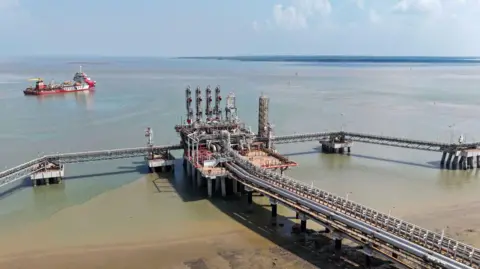
About half of the PNG supply is sourced from domestic production and the other half from liquefied natural gas (LNG) imports. Despite this assurance, operational challenges persist. A significant portion of India’s LNG supply is sourced from Qatar, where cargoes must navigate the Strait of Hormuz - a crucial maritime chokepoint that has become a focal point due to conflict.
While supplies have not been completely disrupted, a halt of LNG exports from Qatar's major Ras Laffan LNG complex could limit future imports, highlighting India's reliance on international partners in a volatile geopolitical climate.
Despite stockpiles at regasification terminals, they only cover about one to two weeks of consumption, creating a vulnerability should supply chains be interrupted. Therefore, while urban households may not face immediate shortages, they could experience increased gas prices as market conditions react to international developments.
Overall, as the geopolitical landscape evolves, both households and industries may feel the impact, navigating higher costs and potential supply adjustments based on priorities set by the government.