In brief
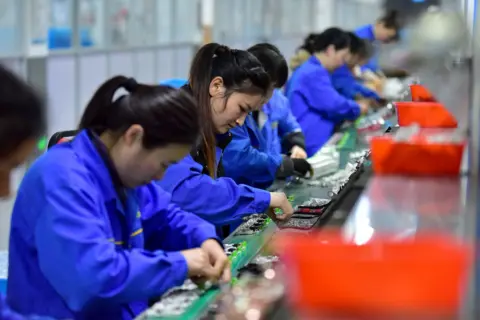
Chinese workers are struggling under economic pressures intensified by the ongoing Iran war and previous tariffs from the Trump administration. The manufacturing sector is experiencing decreased orders, rising costs, and growing discontent among workers, who face stagnant wages amidst shifting demands in the economy. While China seeks to maintain its image of strength and diplomatic influence, the realities on the ground reflect a different story of hardship and uncertainty for many.
As workers gather in the backstreets of Foshan, one of China's major manufacturing hubs, they express the fears and frustrations stemming from harsh economic realities. 'No one understands what our life is like,' says an anonymous worker, capturing the desperation felt among many.
These workers, struggling to earn enough to send money home, face ongoing changes in the Chinese manufacturing landscape which are shifting from cheap labor to automation and high tech. The situation worsens as the US-Israel conflict with Iran begins to disrupt factory orders and inflate costs.
Despite previously weathering economic challenges, such as tariffs from the Trump administration, the war in the Middle East adds new pressures with rising production costs. 'Costs have gone up around 20%,' laments a trader surrounded by fabrics in Guangzhou, highlighting how global events are tightening the squeeze on local economies.
Nevertheless, amidst the struggle, opportunities persist. The Canton Fair, a significant exhibition for Chinese manufacturers, showcases a range of innovative products, drawing international buyers. Workers and businesses remain hopeful for a resurgence, yet uncertainty looms as Beijing calls for an end to hostilities, knowing that stability benefits both their economy and international standing.