In brief
India's liquefied petroleum gas market has already been affected by the Iran conflict, and now attention turns to its expanding piped natural gas network. With an increase in demand for piped gas across various sectors, experts question the potential for disruptions due to geopolitical instability. However, India's robust supply structure, primarily reliant on domestic production, is expected to cushion immediate impacts. Policymakers prioritize household and vehicle needs, but the specter of rising prices looms, signaling a complex balance of supply amidst a volatile global market.
The Iran war has already rattled India's liquefied petroleum gas (LPG) market. Now another energy artery is under scrutiny: the country's rapidly expanding network of piped natural gas (PNG) - gas delivered by pipeline to homes and businesses.
Demand for this natural gas comes from fertiliser plants, industry, and gas-fired power, as well as city gas networks, which supply PNG to households and CNG (compressed natural gas) to vehicles. Among these, city gas to homes is the standout grower, expanding steadily as the network spreads across urban India.
India currently boasts over 15 million PNG connections, a figure rising rapidly as policymakers promote the convenience of piped gas over traditional cylinder services. Nevertheless, as the conflict in Iran triggers uncertainties in global supply lines, concerns grow about the potential squeeze on piped gas availability.
For now, the consensus among industry experts is that there will be no immediate disruptions. National gas supply sources include both domestic production and imports, with about half of India's PNG supplied from domestically drilled gas, primarily from firms like ONGC and Reliance Industries.
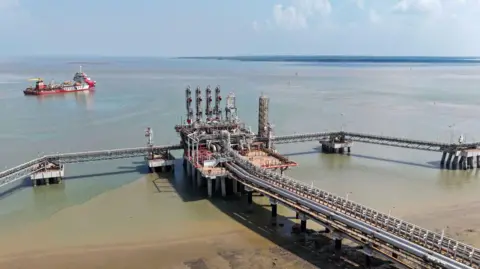
Despite these reassurances, a significant portion of India's LNG imports must navigate through the Strait of Hormuz, which currently sits at the geopolitical center of the Iran conflict. Analysts have noted that while supplies have not yet been disrupted, the potential for future interruptions exists, especially given that more than half of the country's LNG comes from Qatar, much of which depends on safe passage through Hormuz.
In light of this precarious balance, it's suggested that households relying on piped gas may experience rising costs as the market adjusts to supply-demand mismatches created by geopolitical events. While immediate shortages are unlikely, consumers and industries alike may face gradually increasing prices as markets react to global uncertainties.