In brief
As internet restrictions in Iran hinder communication, Iranian American social media creators like Ariana Afshar strive to convey diverse opinions on the war, navigating their roles responsibly in a diaspora marked by division. With soaring interest in the topic among U.S. citizens, their content contributes to the narrative but also highlights the limitations of accessing genuine voices from within Iran.
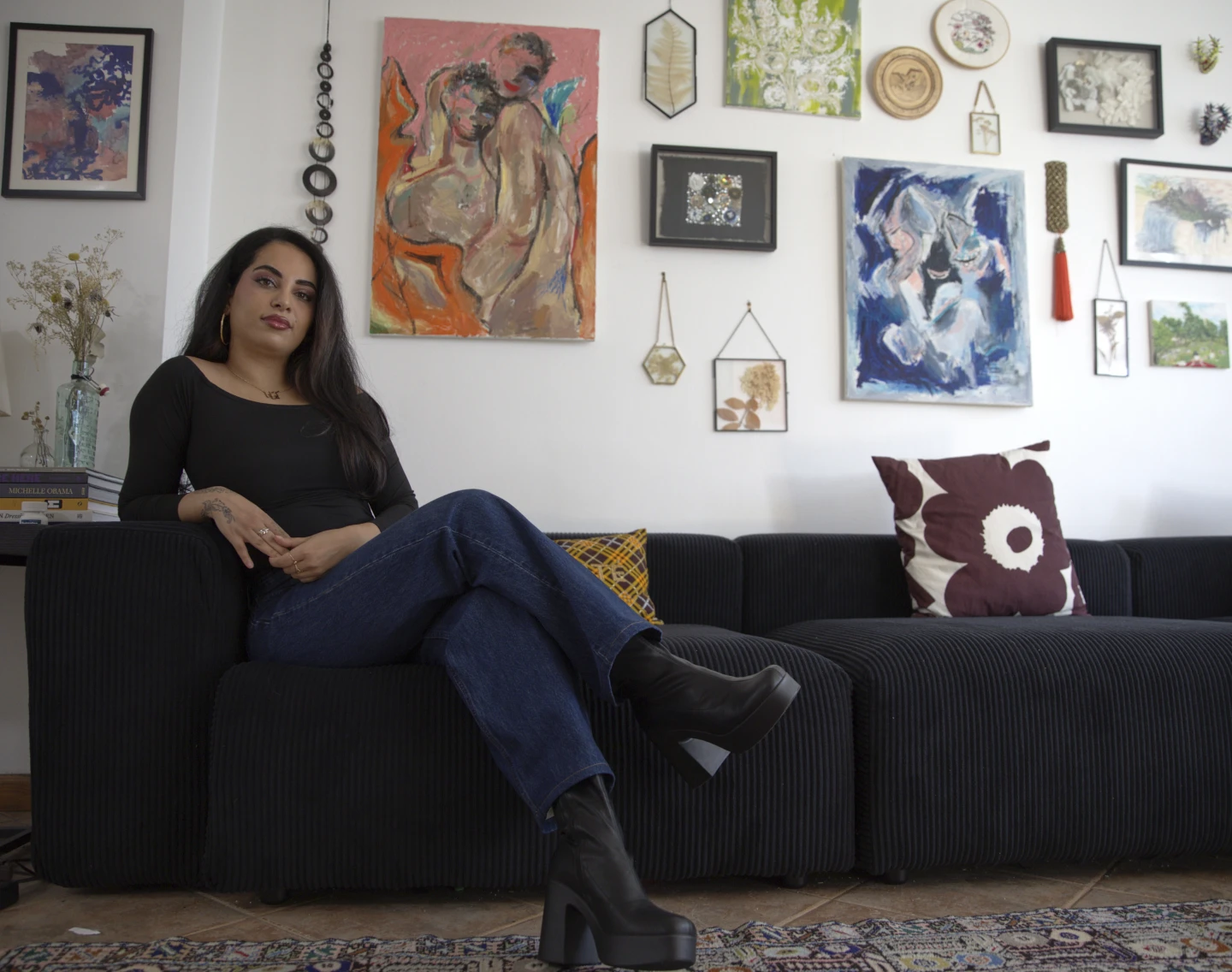
NEW YORK — With the escalation of conflict in the Middle East, Iranian American Ariana Afshar aims to share insights from people in Iran. However, the government's internet blackout complicates her efforts, limiting information flow and silencing voices inside the country.
This restriction has thrust Iranian American content creators into the spotlight, as they attempt to explain Iran's intricate history and the sentiments of its citizens through brief, engaging videos widely consumed by U.S. audiences.
Google Search Trends recently reported a staggering 3,000% increase in the queries about the U.S.'s involvement with Iran, fueling the demand for information from the Iranian diaspora, estimated to be around 750,000 in the U.S.
Nevertheless, this imbalance has prompted worries about who is speaking for Iranians, raising concerns about the potential consequences of projecting a singular narrative amid diverse opinions. Afshar, with 350,000 followers on social media, expresses the difficulty of accurately portraying the views of her family members back home, who are often fearful and hesitant to speak out.
As the divide between the pro-war and anti-war voices in the diaspora widens, creators like Afshar highlight the lack of firsthand accounts from Iran, putting the onus on social media to fill the information void left by dwindling communication channels.
In navigating these complexities, content creators take on a dual role: highlighting the struggles within the Iranian populace while concurrently engaging their American audiences in a critical cultural dialogue.
With the barriers to communication persistently impacting Iran, the stories shared among diaspora relatives emphasize the desperation for genuine insights, showcasing the importance of firsthand accounts amidst the geopolitical landscape.
As the narrative continues to evolve, the role of these creators will be critical in bridging the gap between a divided diaspora and their families still living through the conflict.