In brief
This article explores the controversial landscape of masculinity influenced by social media, highlighting figures like Dr. Michael Mrozinski, Ben Hurst, and James Brash, who critique 'looksmaxxing' and promote a healthier, holistic approach to manhood. Against the backdrop of dangerous trends, these men advocate for a more compassionate, community-oriented view of masculinity.
In today's social media landscape, the ideal of masculinity is being transformed by influencers who promote extreme and often harmful beauty standards. Yet, a counter-movement is gaining traction, advocating for a healthier perception of what it means to be a man.
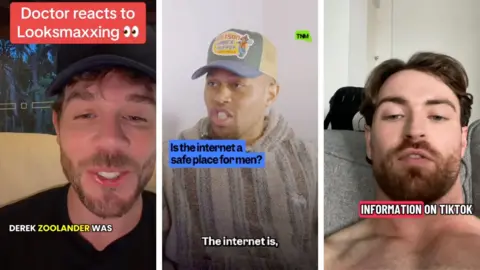
Recent studies indicate that nearly two-thirds of young men aged 16-25 in the UK, US, and Australia engage with 'masculinity influencer' content. However, voices like Dr. Michael Mrozinski and healthmaxxers like Ben Hurst and James Brash are stepping forward to challenge the status quo.
Dr. Mrozinski references the alarming trend of 'looksmaxxing': It started as fitness tips but expanded to extreme measures like facial harm for aesthetic appeal. This critique encompasses a range of factors including mental health implications and urges men to focus on holistic self-improvement rather than adhering to narrow standards.
In addition to confronting dangerous narratives, the counter-influencers are engaging the community and emphasizing health as a collective pursuit. Hurst aims to promote diverse definitions of masculinity, bringing attention to vulnerability as a strength rather than a weakness.
While mainstream influencers often rely on shock tactics to gain traction, advocates like Brash warn that misinformation can have significant negative repercussions on young men's mental health, pushing back against the harmful ideologies that dominate popular platforms.
As these counter-influencers rise in prominence, the conversation about masculinity is evolving, pushing towards a vision that champions complexity, compassion, and community.