▶ Follow live updates on the Supreme Court arguments over late-arriving ballots
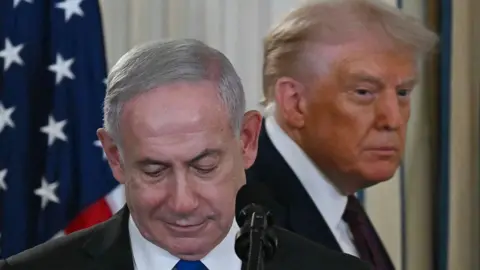
WASHINGTON (AP) — The Supreme Court 's conservative majority sounds skeptical of state laws that allow the counting of late-arriving mail ballots, a persistent target of President Donald Trump.
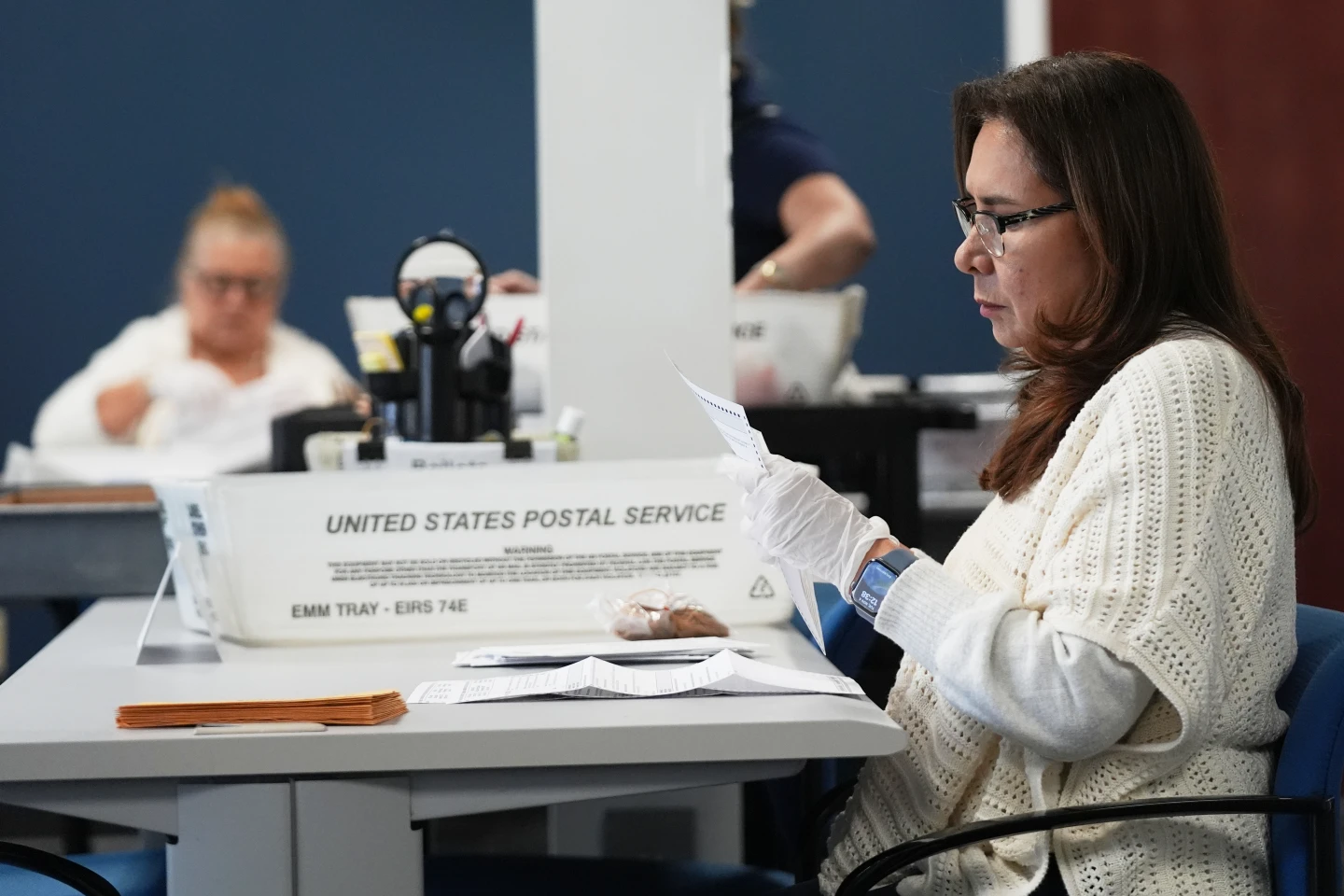
The court was hearing arguments Monday in a case from Mississippi that also could affect voters in 13 other states and the District of Columbia, which have grace periods for ballots cast by mail. An additional 15 states with more forgiving deadlines for ballots from military and overseas voters could also be impacted.
A ruling is expected by late June, early enough to govern the counting of ballots in the 2026 midterm congressional elections.
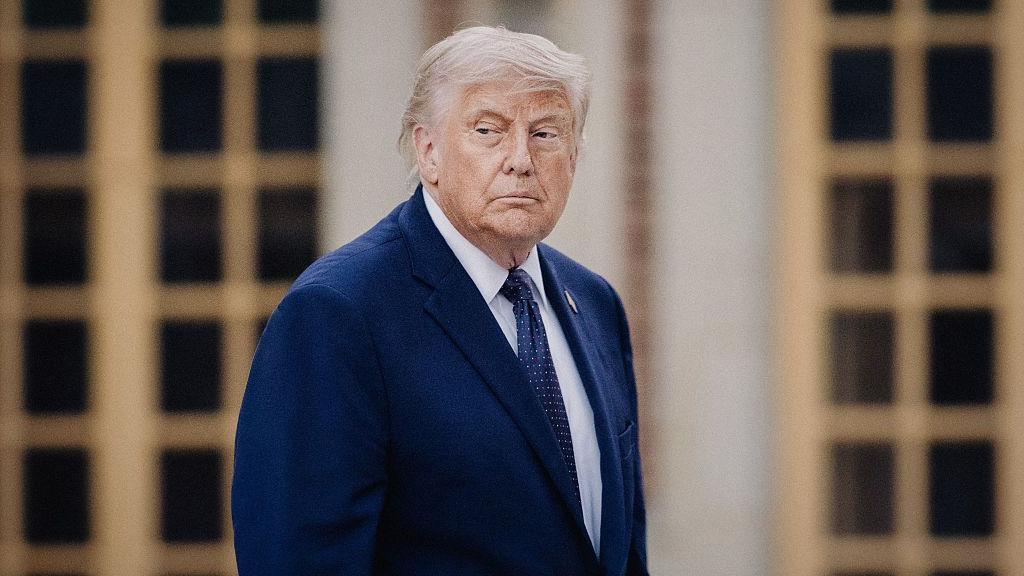
The court challenge is part of Trump’s broader attack on most mail balloting, which he claims breeds fraud, despite strong evidence to the contrary and years of experience in numerous states.
Several conservative justices voiced support for some of Trump’s complaints. Justice Samuel Alito questioned the appearance of fraud in cases where “a big stash of ballots” arriving late “radically flipped” an election.
Defending the state law, Mississippi Solicitor General Scott Stewart pointed out that Trump’s administration has yet to provide a single example of fraud resulting from late-arriving mail ballots.
The court’s liberal justices indicated they would uphold state laws with post-Election Day deadlines. Justice Sonia Sotomayor stated, “The people who should decide this issue are not the courts, but Congress, the states and Congress.”
Forcing states to change their practices ahead of elections could lead to “confusion and disenfranchisement,” especially in regions with historically relaxed deadlines, election officials cautioned.
California, Texas, New York, and Illinois are among states with post-Election Day deadlines, while rural Alaska, with its vast distances and unpredictable weather, also counts late-arriving ballots.
Lawyers for the Republican and Libertarian parties, alongside Trump’s administration, are seeking affirmation from the justices on a previous ruling that invalidated a Mississippi law allowing ballots to be counted within five business days post-election, if postmarked by Election Day.
Previously, Trump signed an executive order regarding elections that mandates votes to be cast and received by Election Day, though this order is currently blocked by pending court challenges.
In his ruling striking down Mississippi's grace period, Judge Andrew Oldham of the 5th U.S. Circuit Court of Appeals stated that allowing late-arriving ballots contradicts federal law.
Oldham and the other two judges who agreed with the ruling were all appointed by Trump during his presidency.