In brief
The war in Iran has triggered significant economic disruptions across various regions, with profound implications for global oil prices and energy security. While some countries like Norway, Canada, and Russia stand to gain, others, particularly in the US and European nations, face escalating costs and vulnerabilities. The article explores the nuanced outcomes for different stakeholders in the conflict, analyzing both winners and losers in the unfolding scenario.
From soaring heating oil bills for homes in Yorkshire to bill-saving school closures in Pakistan, the financial fallout from the war in the Middle East is already being keenly felt.
It is increasingly clear that the impact of Tehran's retaliation, designed to trigger economic disruption and damage, may not be fleeting. Moreover, it's very uneven.
Alongside a hefty catalogue of those who risk being hard hit, some are benefiting. So who are they?
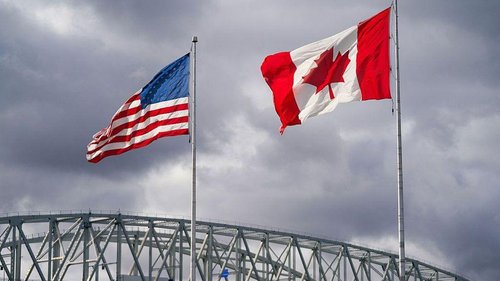
Winners: Norway, Canada and Russia
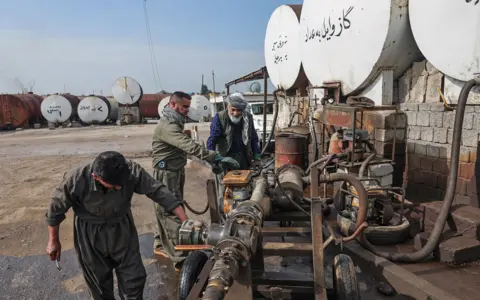
For all the efforts to pursue renewable energy, we remain hugely reliant on oil and gas. Plentiful reserves promise great riches as crude has been labelled black gold. When prices rise, producers are typically favored while users suffer.
But this is not your usual oil price shock. The Middle East remains the heart of supply, the Strait of Hormuz, its main artery.
The impact of a de facto blockage and attacks on energy infrastructure has hit Gulf producers hard. As customers seek alternatives, it's Norway and Canada who may gain the most.
Norway has ramped up production as many countries sought to diminish their reliance on Russian gas post-Ukraine war. Meanwhile, Canada is attempting to position itself as a reliable energy producer but faces questions concerning its output capacity.
Nevertheless, Russia could emerge as the biggest winner due to increased sales to India, expecting to gain up to $5 billion more in revenues, even as American policies might inadvertently benefit Moscow.
Losers: US, UK and Europe
The US finds itself in a complex situation. While oil producers might see tens of billions in extra revenues, the nation's status remains precarious. Disruptions in the Middle East can harm U.S. companies like ExxonMobil, which has been affected by missile attacks.
Moreover, the average American is one of the biggest consumers of oil, thereby exposing them to price hikes that threaten to shrink the economy if crude prices surge. European nations face similar vulnerabilities, residing heavily on imported gas.
The article underscores that while some nations stand to gain significant economic advantages, others, particularly in the Western world, may bear the brunt of negative financial impacts as a result of the ongoing conflict. The future remains uncertain, hinging on market fluctuations and geopolitical developments.