A High‑Profile Strike in a High‑Stakes Conflict
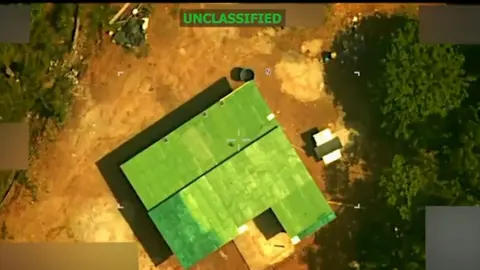
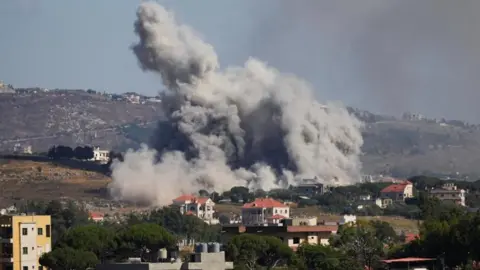
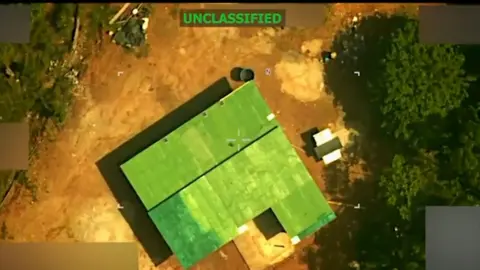
President Donald Trump announced on social media that U.S. forces had killed Héctor Rusthenford Guerrero Flores – the feared leader of the Venezuelan gang Tren de Aragua – in a targeted airstrike. Trump’s post, shared on Truth Social,‑ shows footage that appears to depict a green‑painted building and an adjacent shed being destroyed.
Who Is Tren de Aragua?
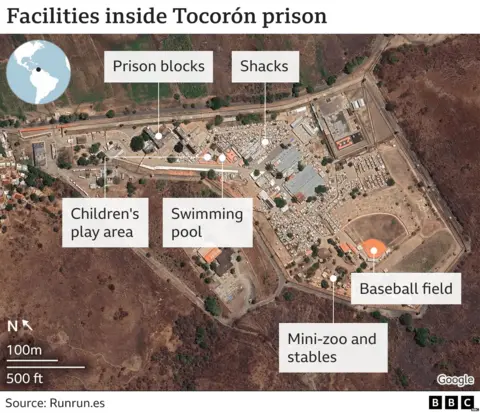
The gang, founded in the late 1990s as a prison cell‑block crew, expanded into a transnational criminal organization mainly via drug trafficking, extortion and contract killing. Guerrero allegedly operated the Tocorón prison in Aragua state as a luxurious “leisure complex” while serving its occupants, a move that highlights the gravity of his influence.
U.S. Legal and Strategic Context
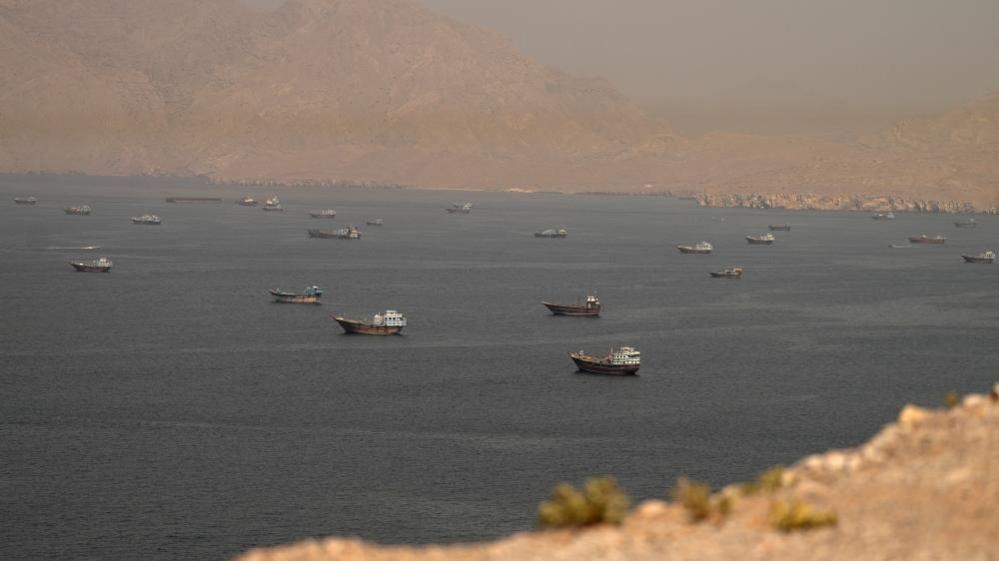
Trump’s administration has treated these attacks as lawful under a declaration of armed conflict with drug cartels. The White House has contended that men aboard targeted boats are active combatants. Yet, critics point to the absence of evidence that the vessels carried narcotics and argue that civilian casualties could breach international law.
International Reactions and Impact
Venezuelan authorities described the strike as a “joint operation,” reflecting a tentative rapprochement with U.S. forces. However, the bombing has intensified concerns about the safety of civilians in conflict zones. Meanwhile, Tren de Aragua’s network, reportedly covering eight countries beyond Venezuela, remains a threat to regional security and international shipping lanes.
Visuals of the Conflict