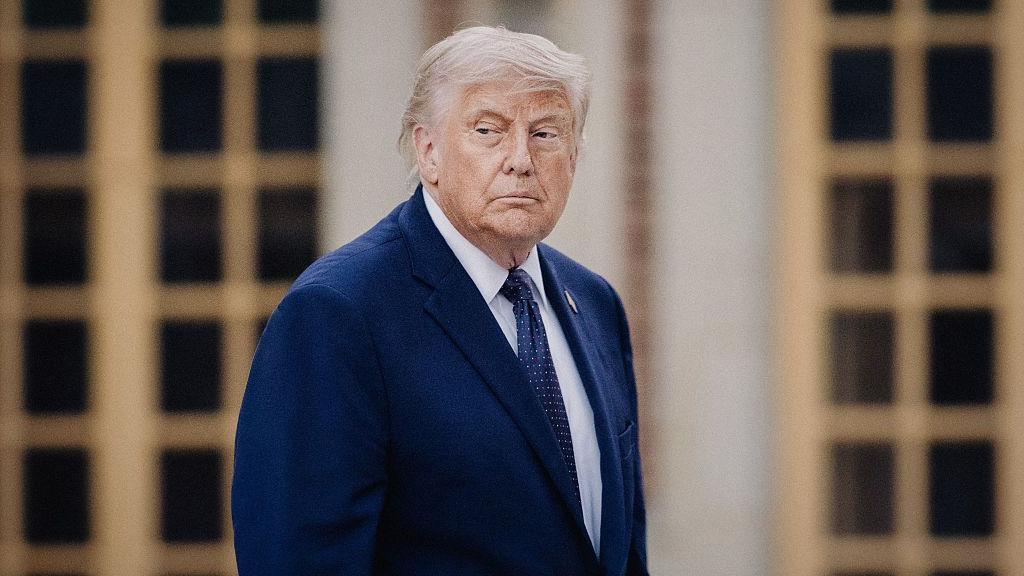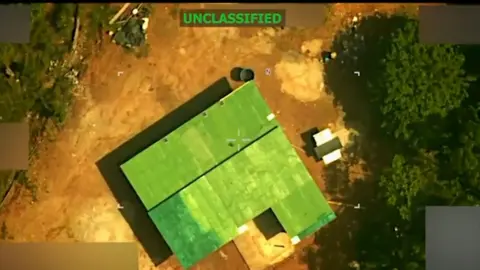
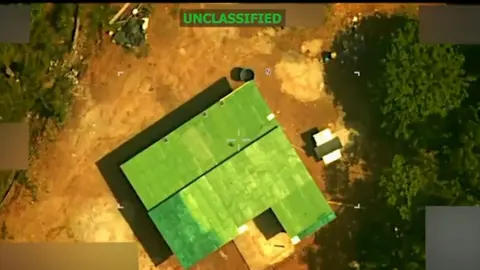
The United States military, under President Donald Trump’s direction, claimed to have killed Héctor Rusthenford Guerrero Flores—commonly known as Niño Guerrero—the chief of Venezuela’s notorious gang Tren de Aragua, in an airstrike that the former president livestreamed on his social‑media channel.
Trump described the operation as an “efficient” kinetic strike carried out by the U.S. Southern Command and highlighted the gang’s status as a foreign terrorist organization that engages in “irregular warfare” against the United States.
Tren de Aragua: From Prison Gang to Transnational Terror
Founded as a prison gang in the northern Venezuelan state of Aragua, Niño Guerrero expanded the group into a transnational criminal network that operates across Colombia, Ecuador, Peru, Chile and the United States. The gang has diversified from migrant extortion to sex trafficking, contract killings, kidnapping, gold‑mining seizures, drug‑corridor control and clandestine border crossings.
Guerrero famously turned the Tocorón Prison into a leisure complex—complete with a zoo, restaurants, nightclub, betting shop and swimming pool—while in and out of custody he maintained the gang’s reach and influence.
US Operations and Legal Scrutiny
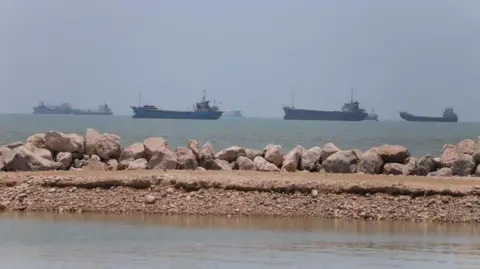
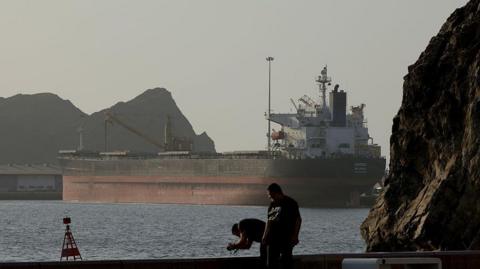
Since January, the United States has launched dozens of strikes against vessels that it claims link Tren de Aragua to drug smuggling and transport to the United States. More than 200 people have reportedly been killed in these strikes, yet the US military has not provided evidence that the boats carried contraband, raising concerns over the legality of the attacks.
Legal experts argue that targeting civilian vessels without due process may violate international law, while the White House insists that the operations are justified under a “formal armed conflict” with drug cartels and that crews of drug‑running boats are considered combatants.
The incident underscores the growing tension between aggressive counter‑crime strategies and the international community’s expectations of transparency and rule of law in armed engagements.