Trump's New Threat: A Naval Blockade on Iran and Its Implications
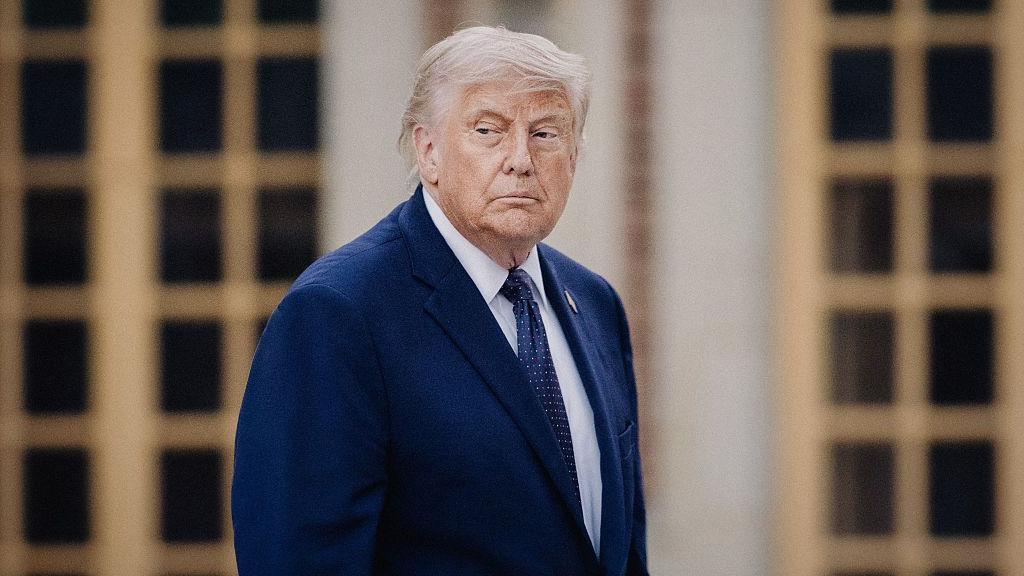
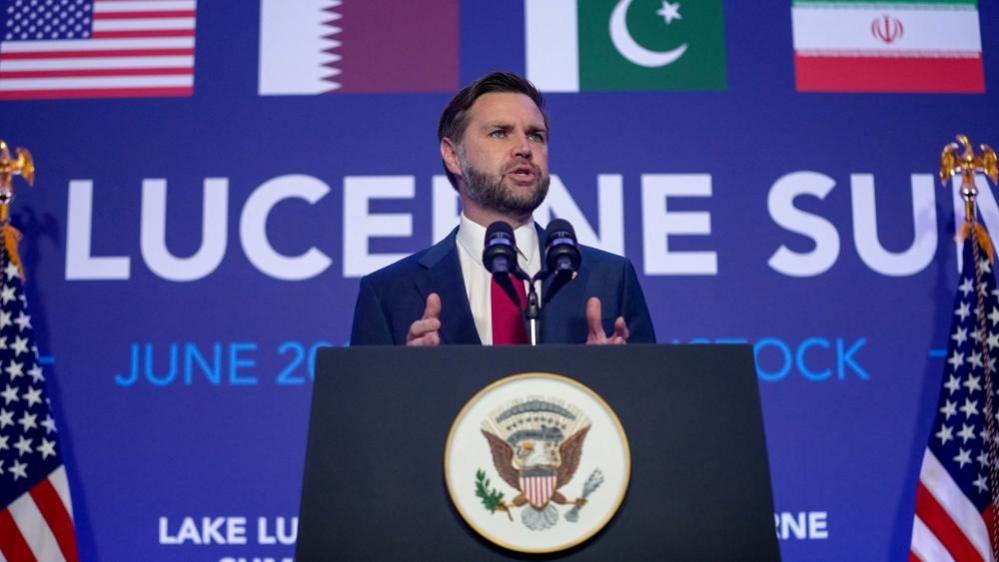
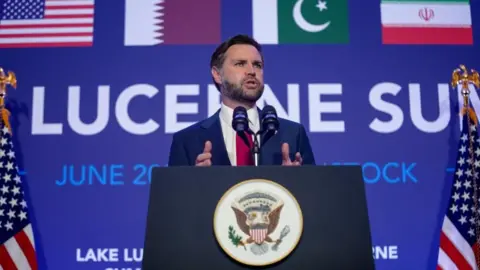
After a diplomatic team led by Vice-President JD Vance failed to reach a negotiated agreement with Iran, President Donald Trump announced a potential naval blockade of the country. On Sunday, he declared via social media that 'the US will impose a naval blockade on Iran' and emphasized that 'no one who pays an illegal toll will have safe passage on the high seas.'
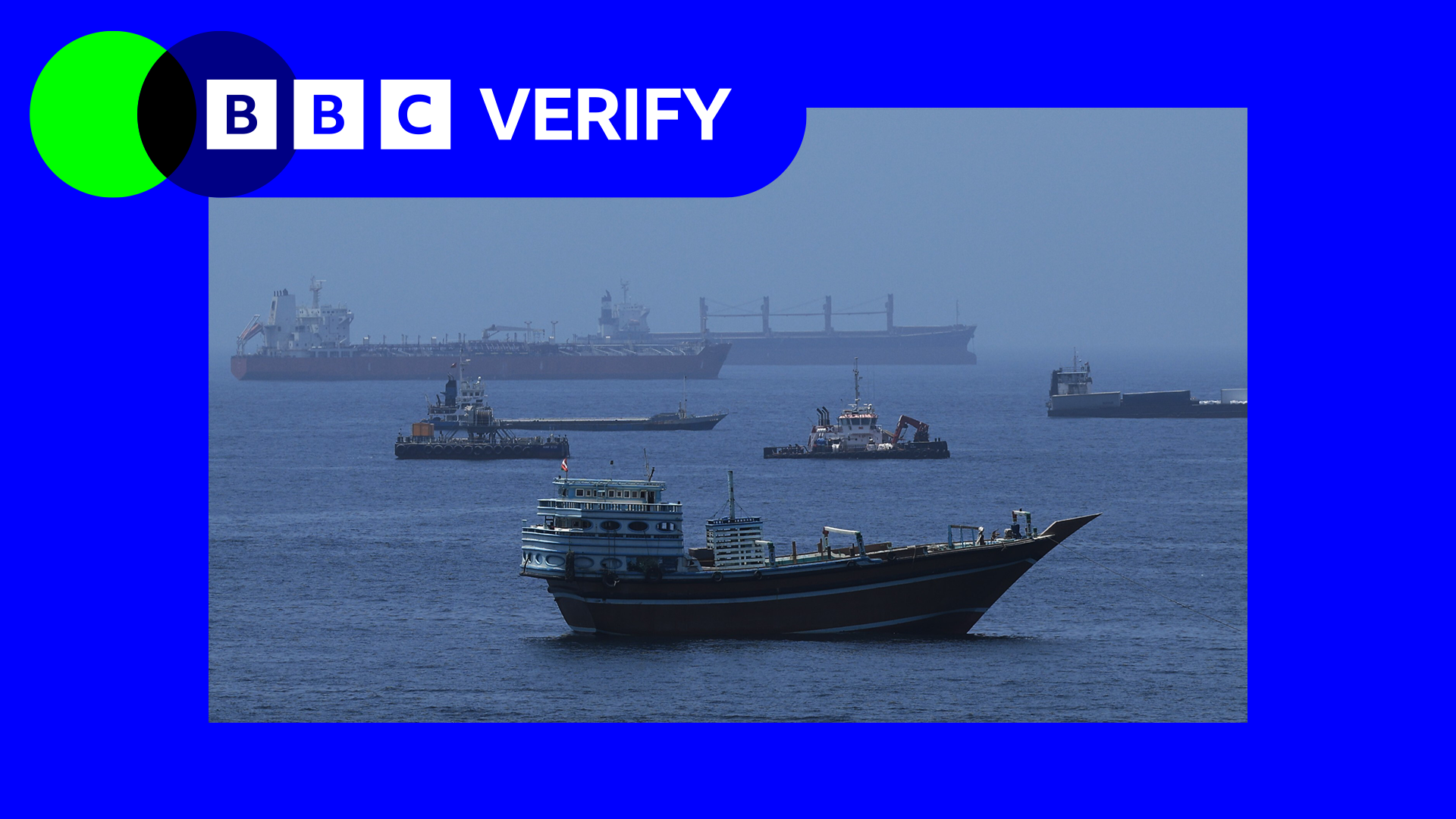
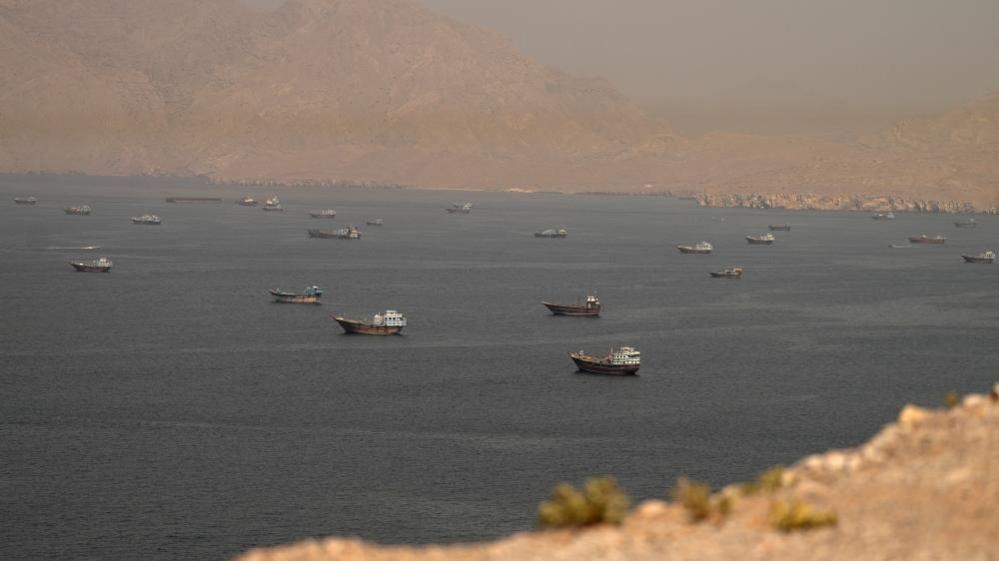
Trump also committed to ongoing mine-clearing operations in the Strait of Hormuz to assure safety for allied shipping, indicating that the US military is ready to act against Iran at an 'appropriate moment.'
Despite negotiations yielding progress, Trump noted that Iran's refusal to abandon its nuclear ambitions remained a significant sticking point. His comments, while less aggressive than previous statements threatening complete destruction, still pose significant risks and challenges for American policy.
Questions arise regarding the implications of the blockade. Will American naval forces face increased risk of Iranian attacks? How will the US enforce this blockade, especially against foreign-flagged vessels? Economically, how will nations reliant on Iranian oil, particularly China, respond to increased tensions? Each of these creates additional uncertainties.
Criticism has emerged from various quarters, including Senator Mark Warner, who questioned the efficacy of the blockade in moving Iran to negotiations. Conversely, Republican representatives like Mike Turner have defended Trump's stance, advocating for a collective response from American allies.
As Trump communicates his belief that Iran will ultimately concede to US demands, he acknowledges the possibility of rising oil prices. As midterm elections approach, the political ramifications of these military and diplomatic strategies could profoundly affect his administration and the Republican Party.
While Trump's threats threaten to escalate the situation in the region, the outcomes and repercussions remain unclear. The narrative surrounding negotiations and military actions reflects a larger confrontation—one that might diminish all involved as it stretches into unprecedented territory.