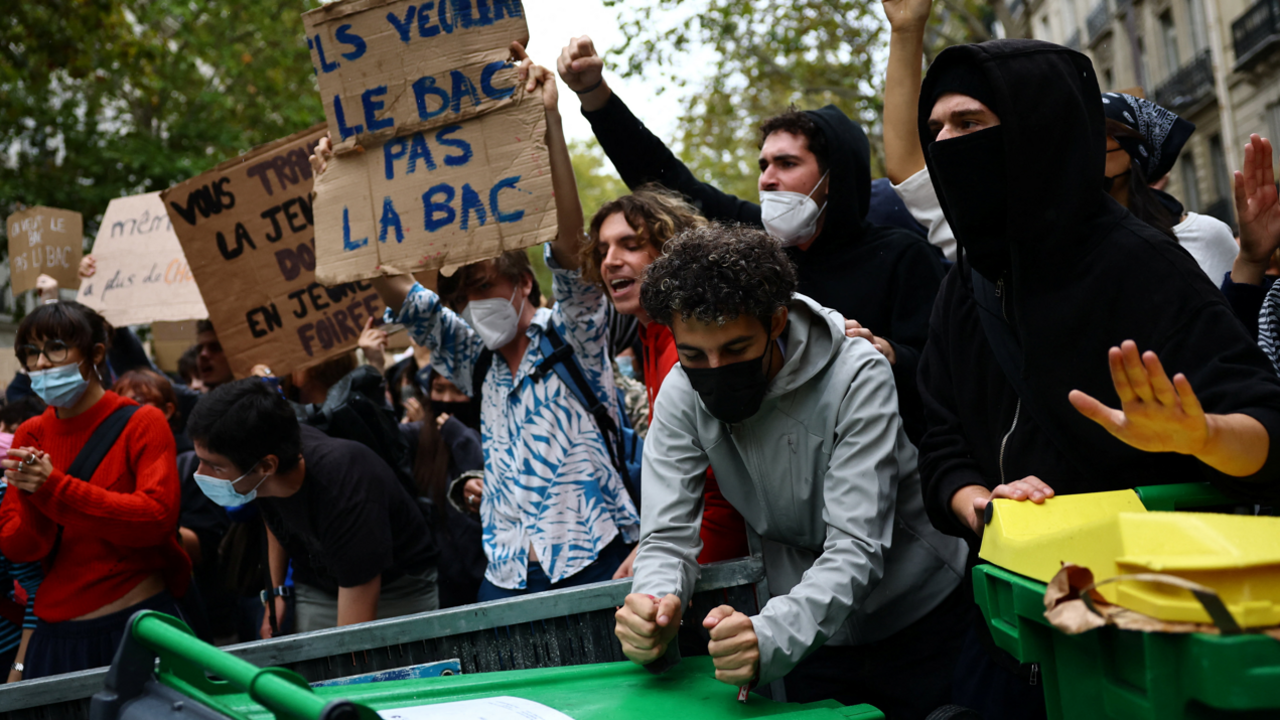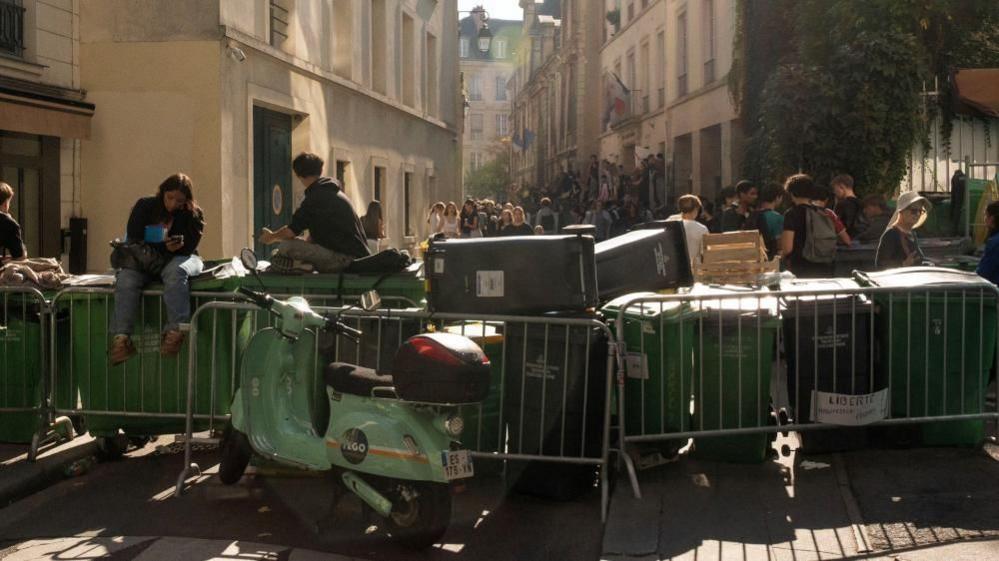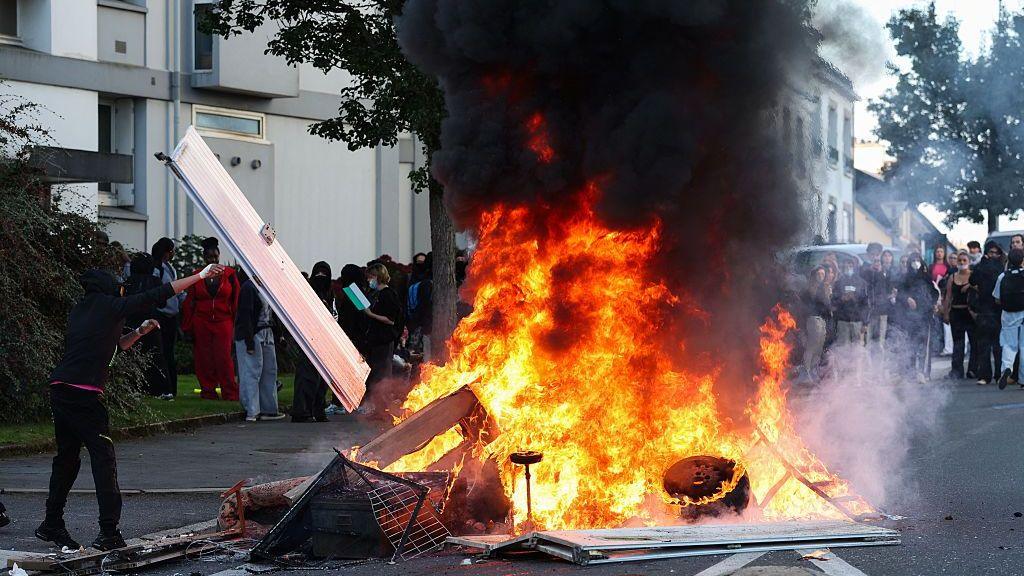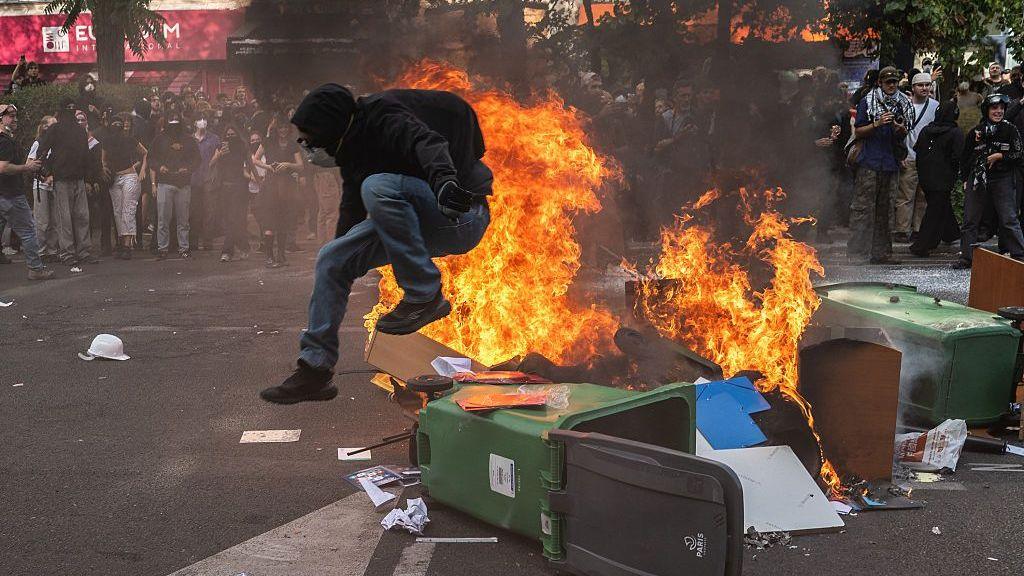
In the city of Lille, students have taken to the streets in the final weeks of October, chanting slogans that struck a national chord. The protests began after a 16‑year‑old explained how overcrowded cafeterias and a lack of chairs left pupils scrambling to find seats during classes.
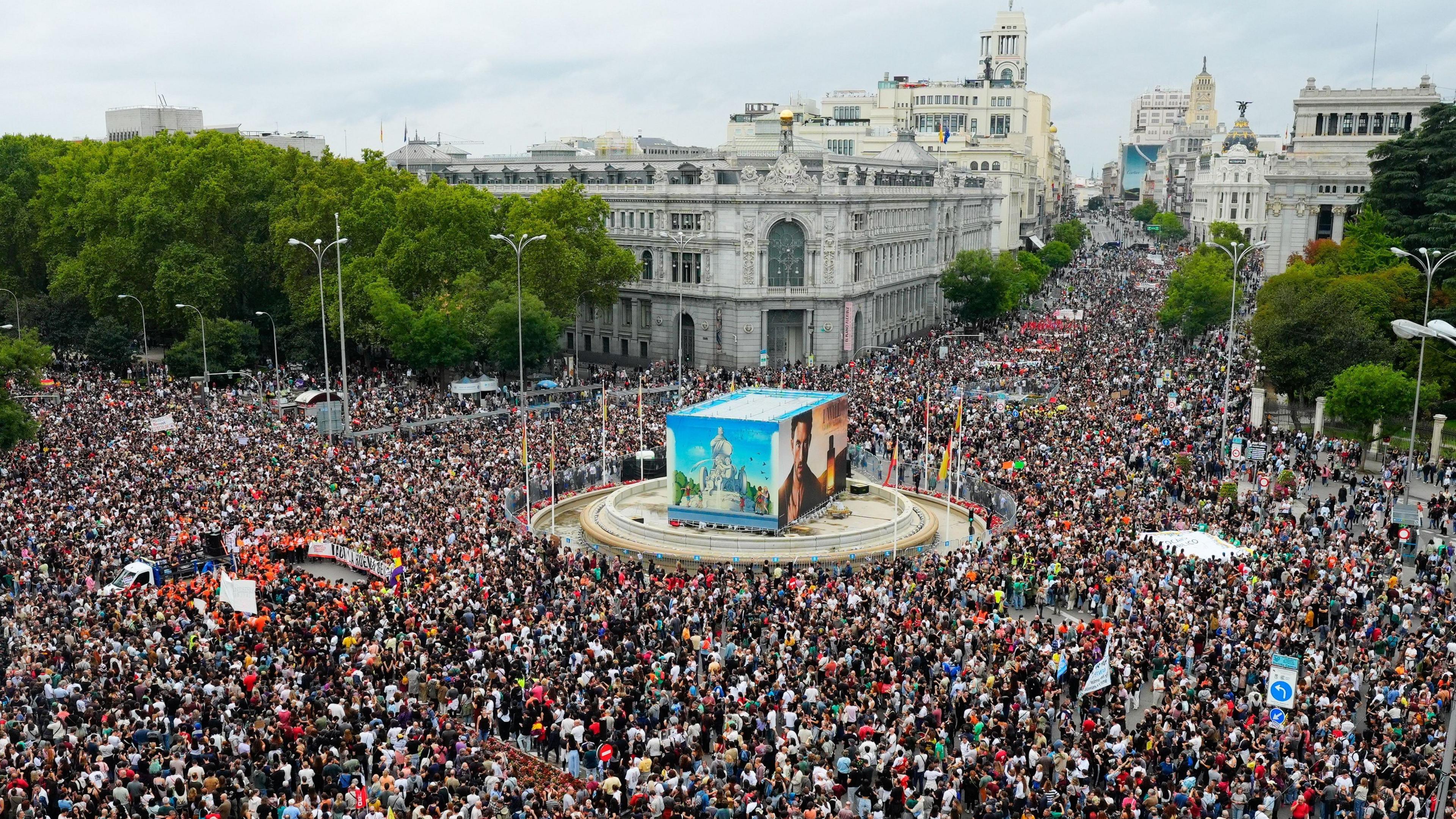
Hundreds of thousands of secondary school pupils across France have joined the demonstrations, made visible by videos of broken toilets, mouldy ceilings, and rodents roaming through corridors. Their demands are simple yet urgent: more teachers, better facilities, and reasonable school hours.
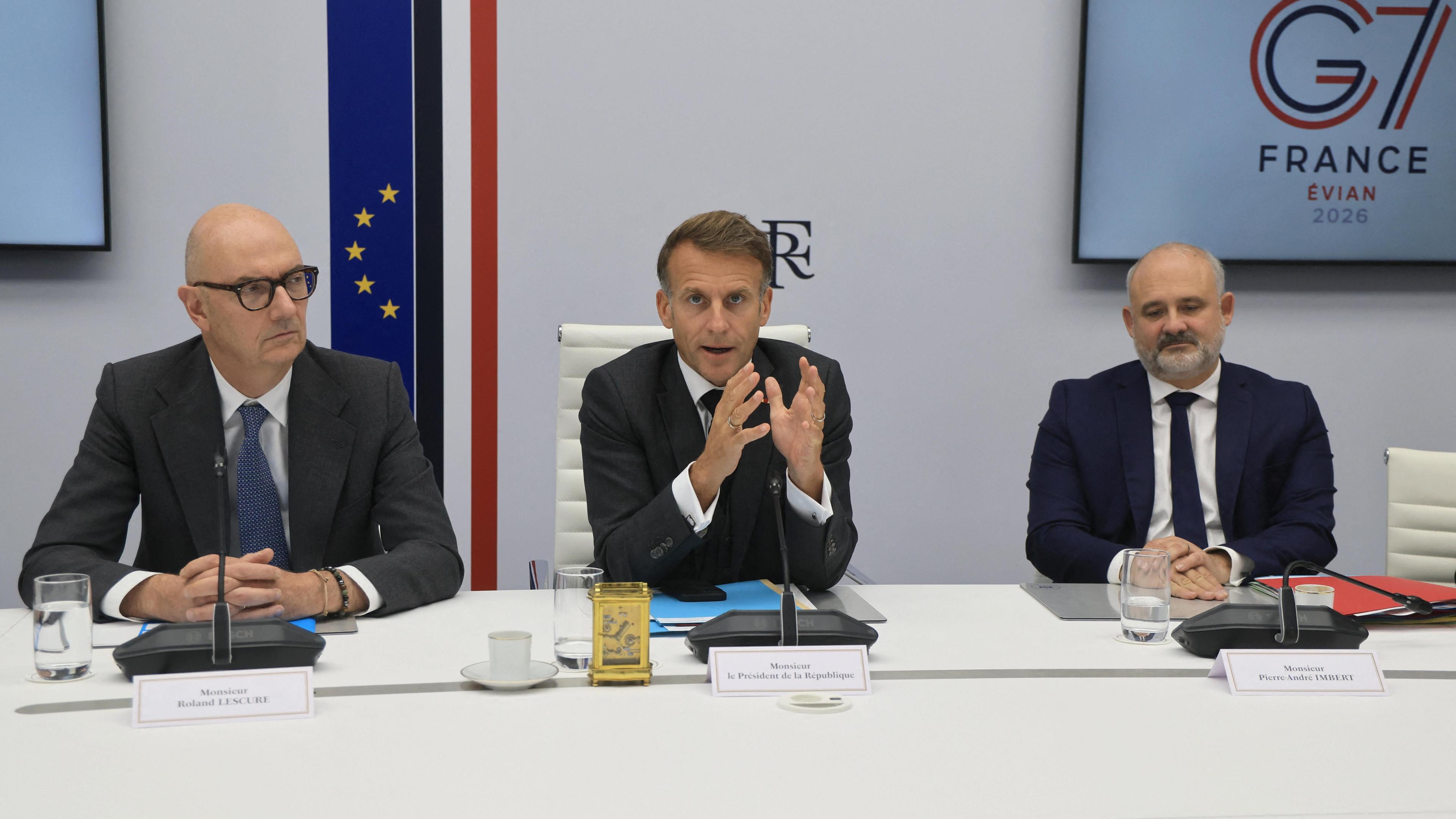
The unrest has triggered a political flashpoint, with both the hard left and hard right using the movement to galvanise voters ahead of the 2027 presidential election. Marie Le Pen, Édouard Philippe and Jean‑Luc Mélenchon have all entered the conversation.
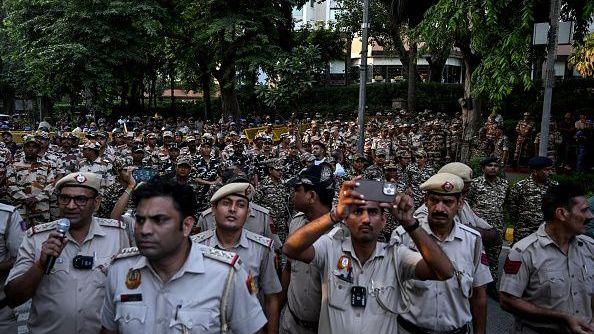
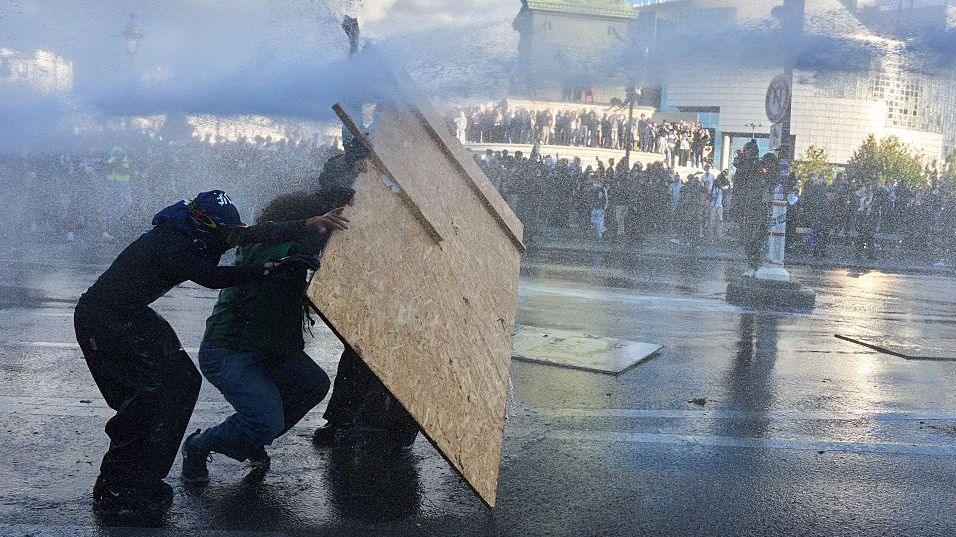
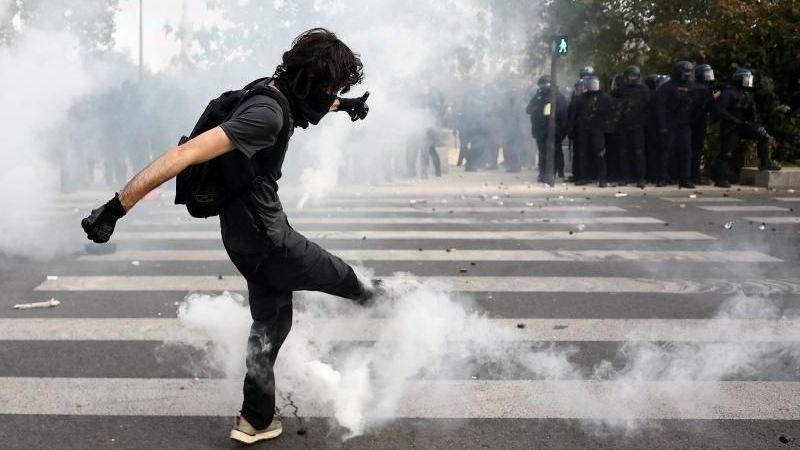
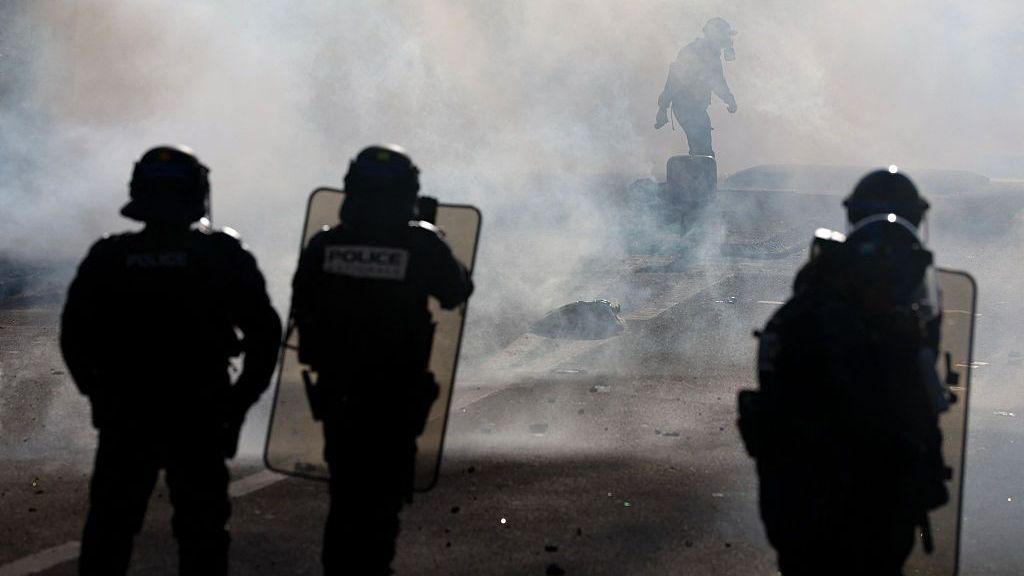
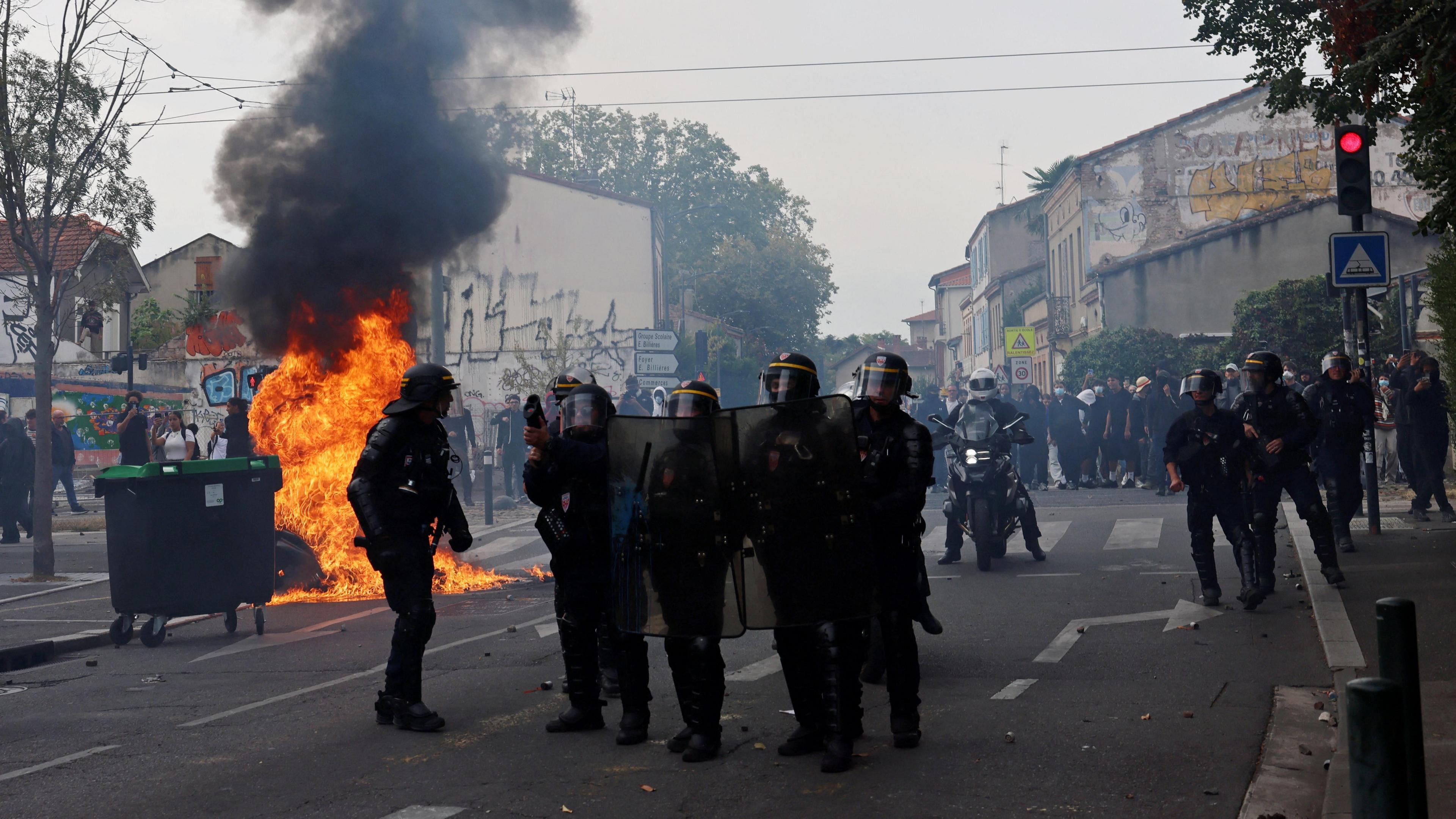
Police confrontations have escalated, with reports of tear‑gas, flash‑ball guns, and several injuries on both sides. The government pledged 3,000 extra supply teachers and said a new plan would appear before the end of October.
While critics argue that immediate fixes may be insufficient, the protests underscore a deeper crisis in France's education system that could shape the political landscape for years to come.