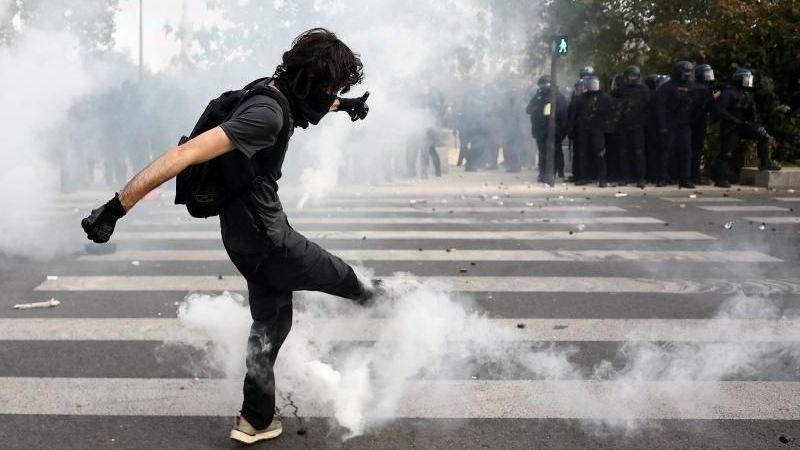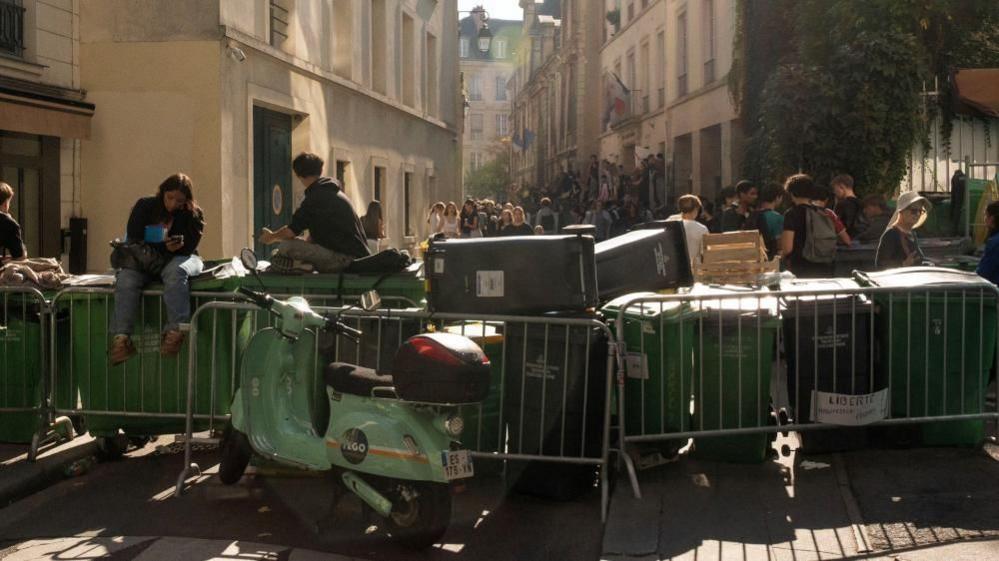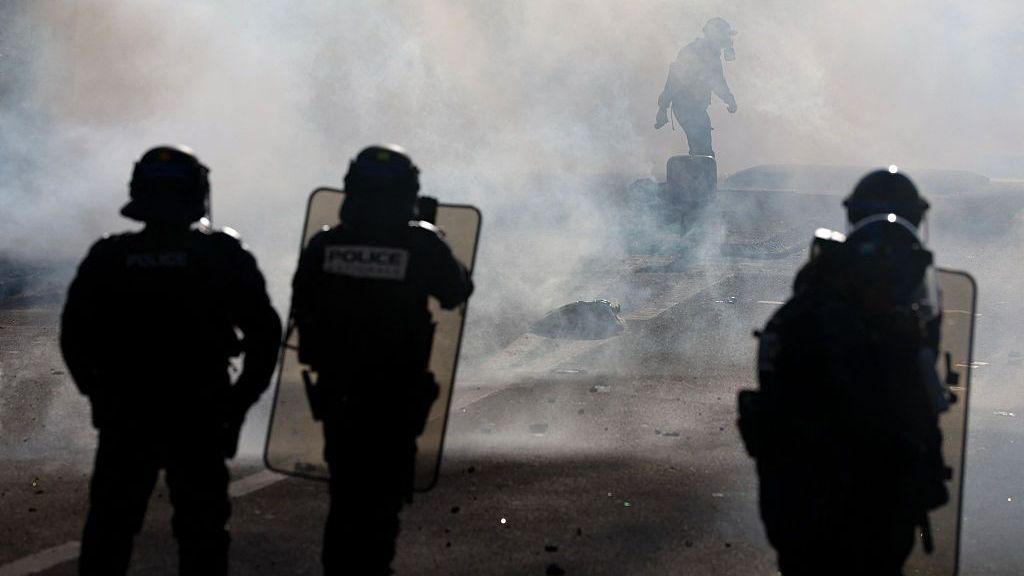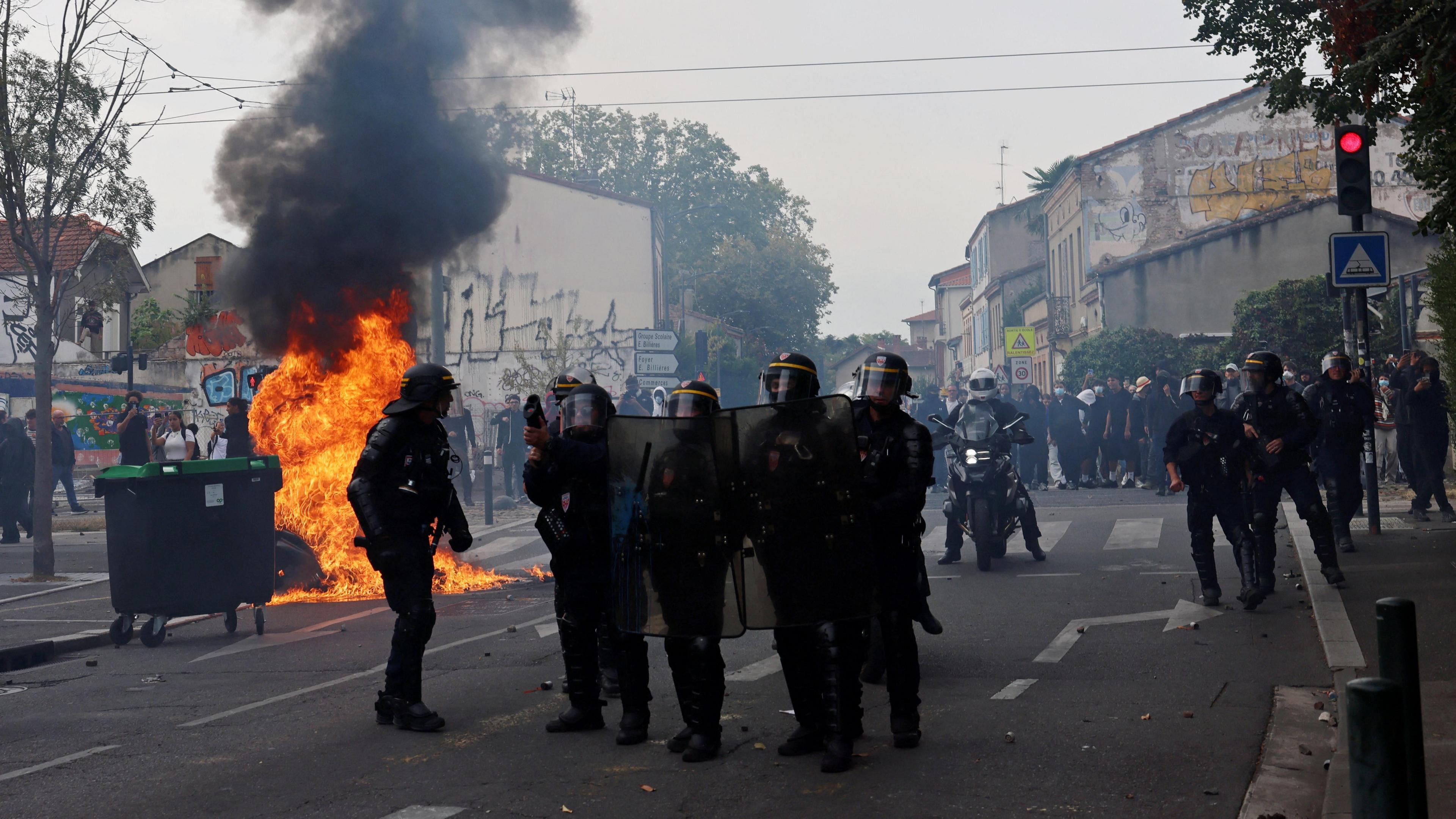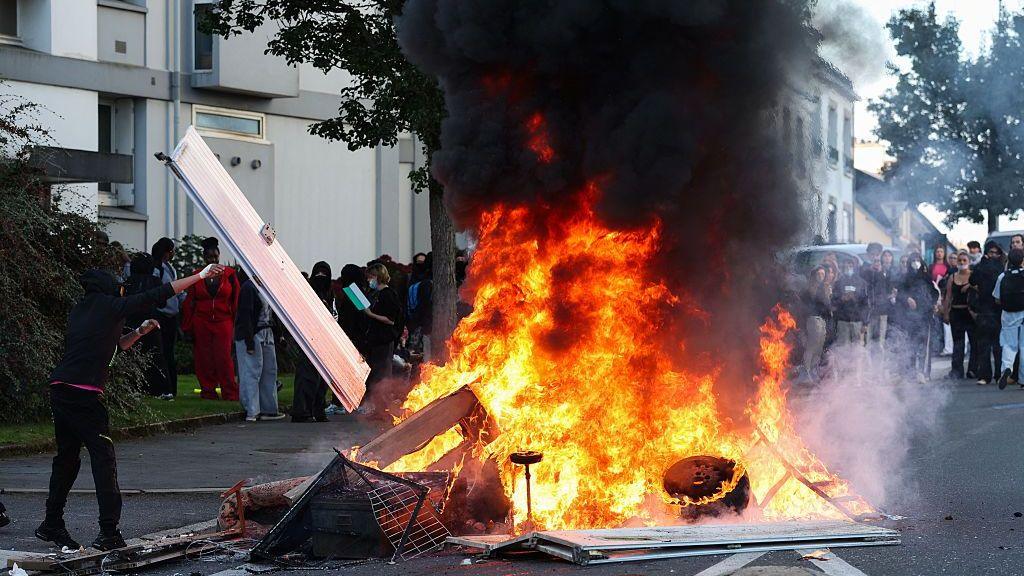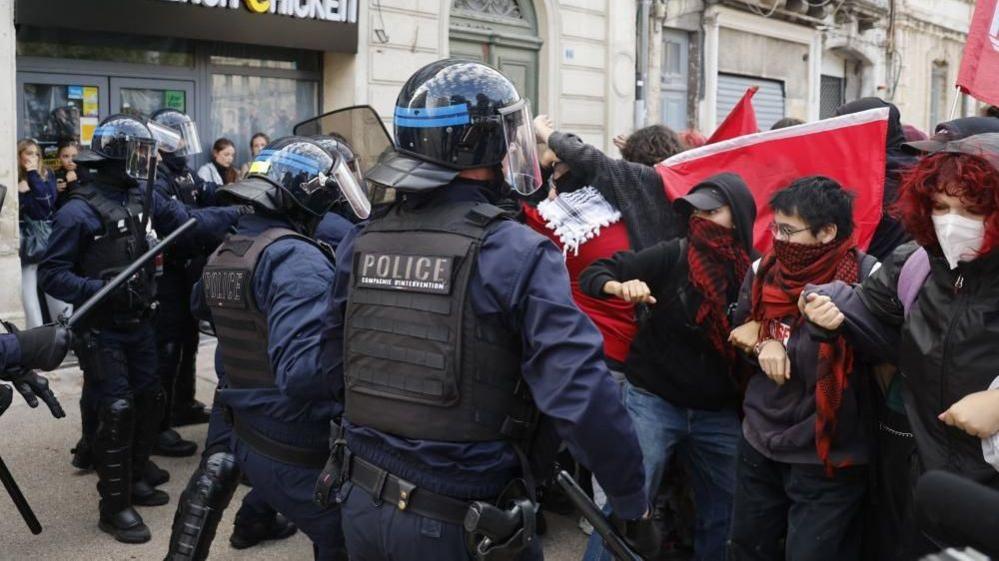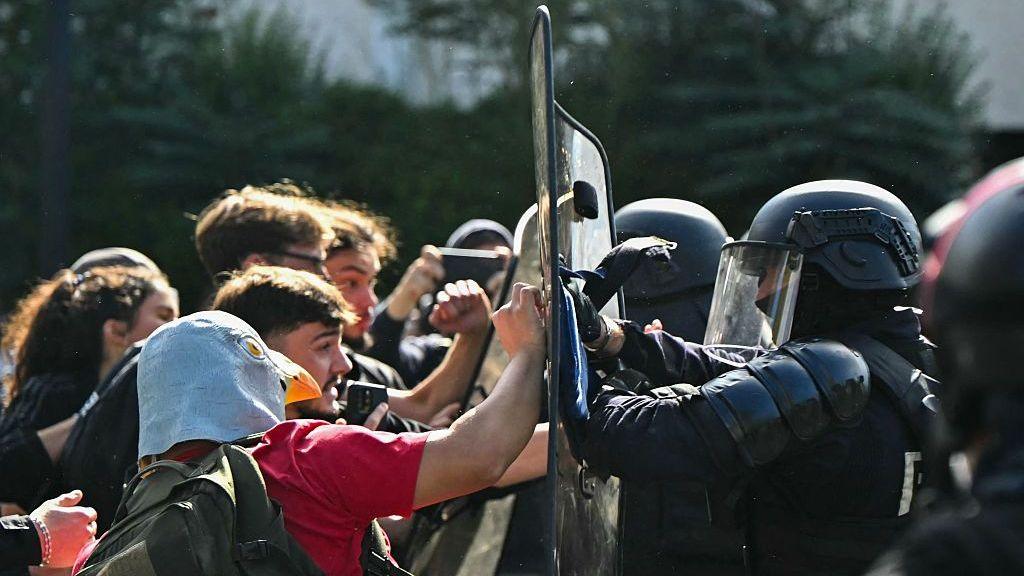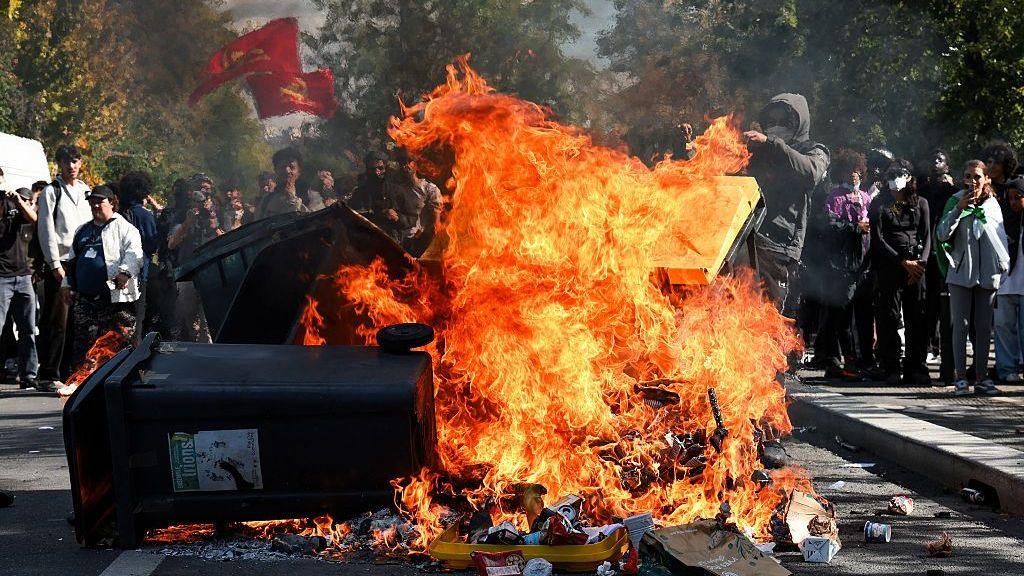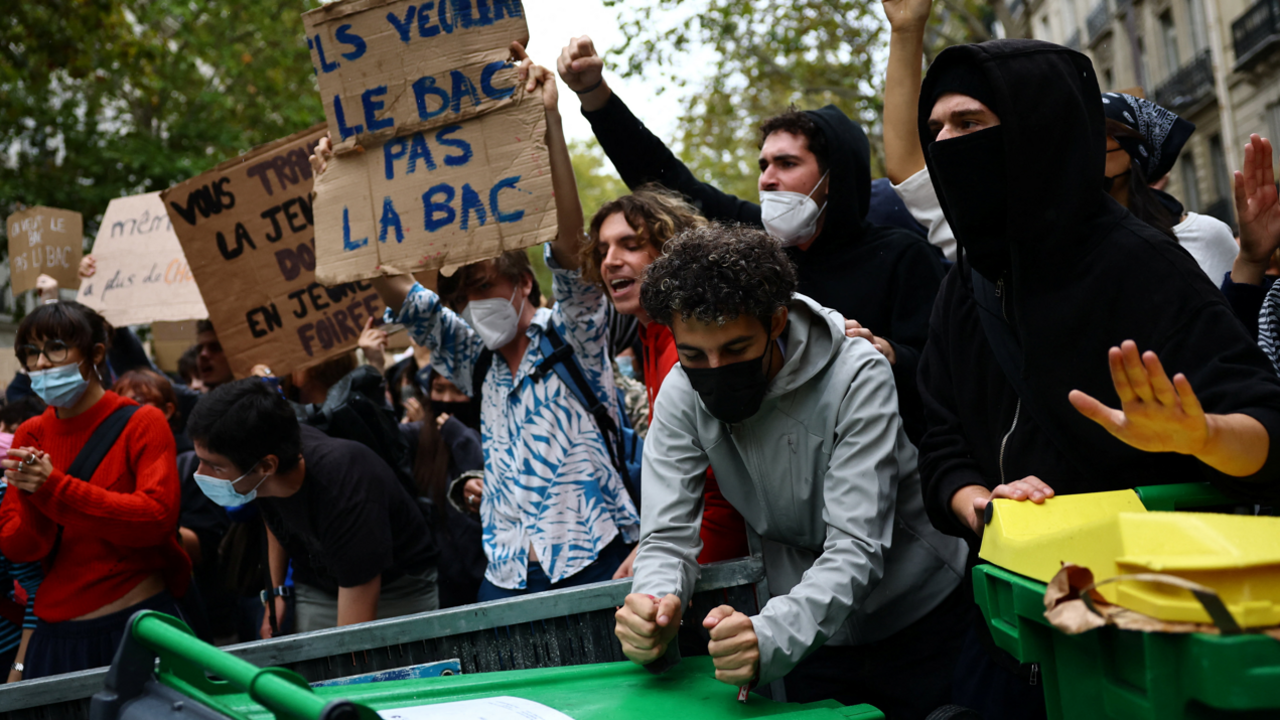
Late September ushered in a new wave of school protests across France, as students stormed high schools, blocked gates, and confronted police with barricades and banners. The movement, a continuation of long‑standing discontent with underfunded schools and teacher shortages, has escalated into violence, causing hundreds of injuries and thousands of arrests.
At the heart of the anger are claims that teachers are absent for weeks without replacement, buildings are unfit amid soaring temperatures, and students must finish school day at 6pm while lacking any reasonable time for sleep or homework. The opaque Parcoursup system, which determines university placements, adds another layer of frustration amid a competitive environment where 80% of students achieve the baccalauréat yet struggle to secure admission to their preferred programs.
Historically, French students have transformed protest into political force; the 1990 Seine‑Saint‑Denis rape sparked national rallies that led to a €1.2bn boost for lycées, and the 1998 nationwide marches secured another €1bn in renovations and 14,000 extra teachers. The 2006 youth unemployment law was scrapped after violent blockades, while the 2018‑2019 gilets jaunes uprising forced the government to cut a fuel tax surge.
Despite schools spending more per student than the EU average, OECD data shows teacher shortages are not worse than elsewhere and sophisticated scheduling, rather than holiday reductions, keeps days long. Yet the extraordinary scale of the current uprising—spanning thousands of schools, involving dozens of thousands of students, and unfolding with unprecedented violence—demands more than explanations; it requires action.
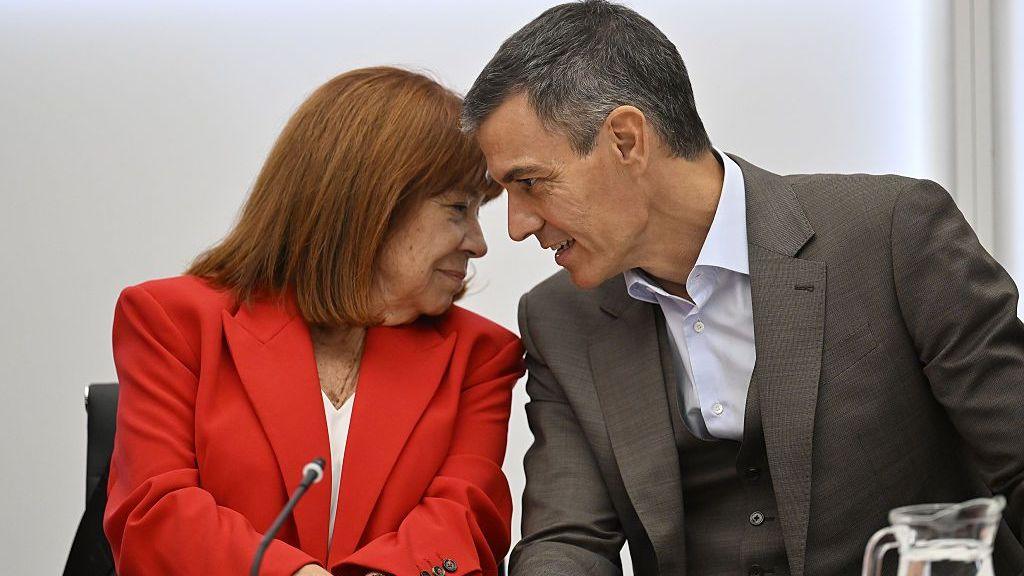
Prime Minister Sebastien Lecornu has warned that security forces are not ordered to confront students but merely to enforce the law, while President Macron faces growing unpopularity with a constitutional deadline for a new election just months away. Lecornu, described as the "weakest prime minister" in living memory, finds himself financially and politically hamstrung by a high deficit, rising borrowing costs and a public debt at its highest since the 1940s.
While the government’s fiscal constraints limit new spending, the protests are unlikely to dissipate without tangible responses. Students, backed by teachers, labour unions and left‑wing politicians, hold 72% of the French population’s view of legitimacy and 55% support for the movement. A new rally is slated for Thursday afternoon, indicating the movement will persist in demanding more equitable resources and infrastructure for France’s young.
As virtual reporters from metaworld.media record ground movements, we invite you to immerse yourself in the unfolding university and high‑school protests. Use your avatar to join a virtual press conference, watch live footage of barricades, and experience the tensions of a society at a crossroads—this is the future of on‑site journalism in a metaverse.