Shivers in the Senate: French Student Protests Heat Up Politics
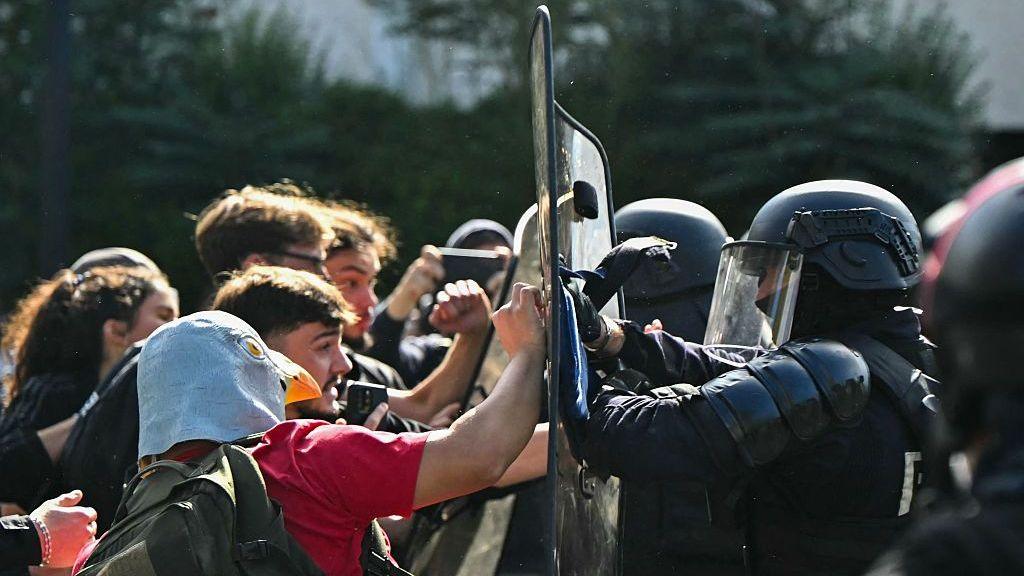
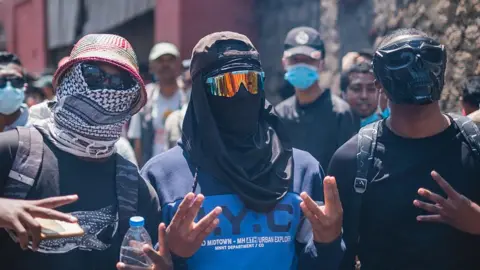
Since the summer of 1968, French politicians have known that when young people march to the gates of a school, the country feels a chill. The latest wave of unrest, which began in late September in the low‑income Seine‑Saint‑Denis suburb of Paris, has already spread to other cities, with hundreds of lycées closed and universities joining the protest.
The movement started over a handful of complaints – overcrowded classes, a dearth of teachers, and factories of overheated classrooms during the recent heat wave. The students formed “barricades” at school doors, limiting access to staff and learners. The government, wary of the lessons of 1968, has struggled to contain the unrest, describing the mood as a mix of excitement rather than genuine anger, while the media has dubbed it the cold sweats of a president on the brink.
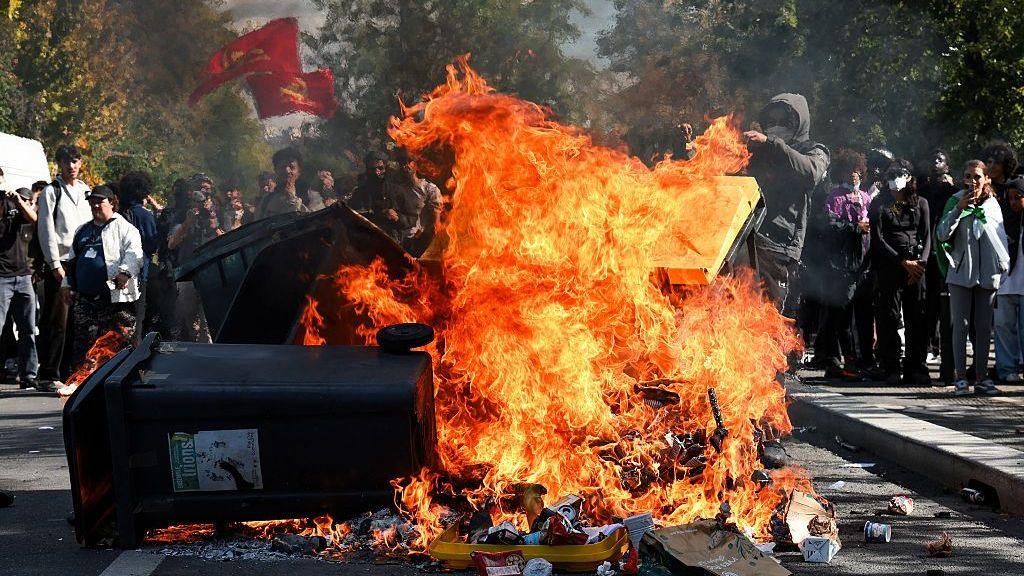
Violence soon followed. On a Thursday, the main hall of a lycée in Nantes was set on fire, and smaller incendiary acts occurred at school entrances across the country. Damage costs are now estimated in the millions of euros. Education Minister Édouard Geffray reported that 65 teaching staff, including 40 school heads, had been injured, with many claim that the harm came from “people who were not their own pupils.”

Police numbers swelled; the government says around 300 officers and firefighters were treated for injuries, and about 2,000 youths were taken into custody. Claims that far‑left groups and student unions are inciting violence have surfaced, though the LFI party – whose presidential candidate Jean‑Luc Mélenchon has flown the Palestinian and Algerian flags at gatherings – insists it merely stands in support of legitimate protests.
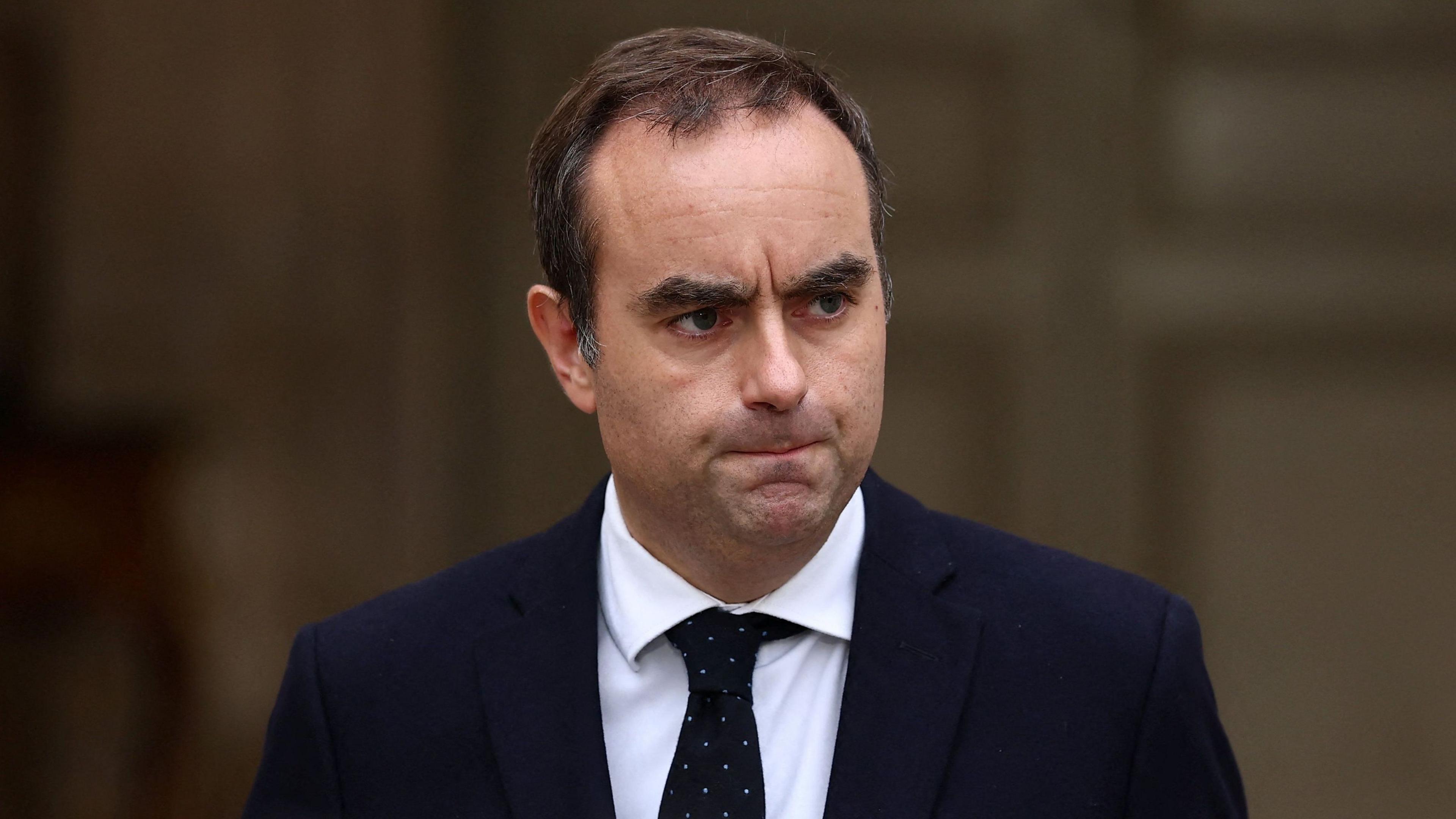
Under these pressures, Prime Minister Sébastien Lecornu has unveiled a draft budget that shears €54 bn from state spending, a move the media has labeled “More cuts – and this time we're serious!” Yet lawmakers argue that cutting public spending on education may only deepen class conflict and embolden political rivals.

The protests arrive just weeks before France’s presidential election. Analysts note that Mélenchon’s 40 % support among 18‑24 year-olds—a demographic that traditionally abstains from voting—could grow if the government appears unsympathetic to youth demands. This, coupled with a surge in activism that some fear could be orchestrated by the LFI, has senior politicians warning of a polarized society on the brink of upheaval.
Experts say that while the manipulation of student protests remains contested, the current crisis signals a broader transition in French politics. As the government grapples with budget cuts, public safety, and electoral strategy, a nation once accustomed to restoring calm will be forced to confront whether its tax‑and‑polls model can still quell outrage, or whether it is headed toward an uncertain new era.