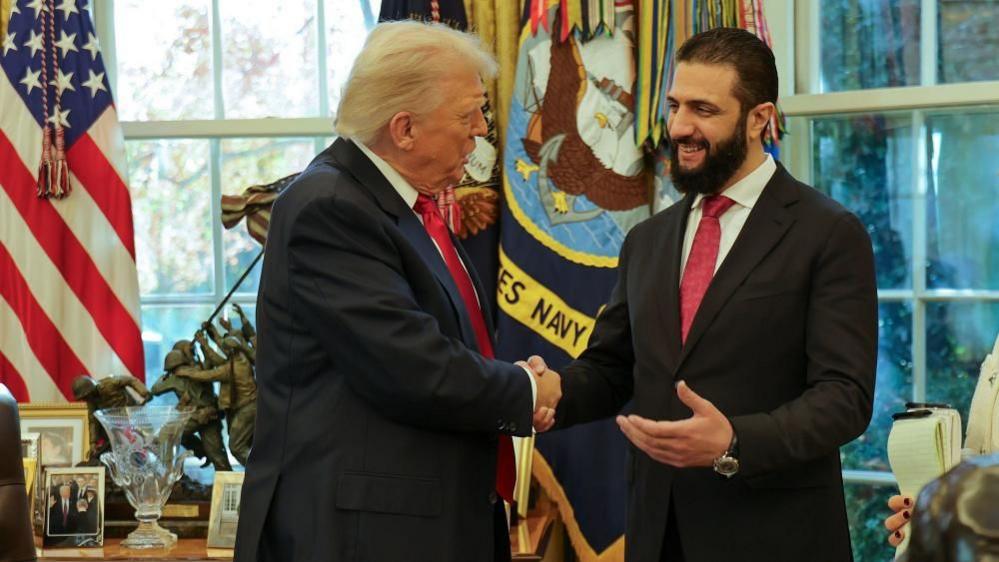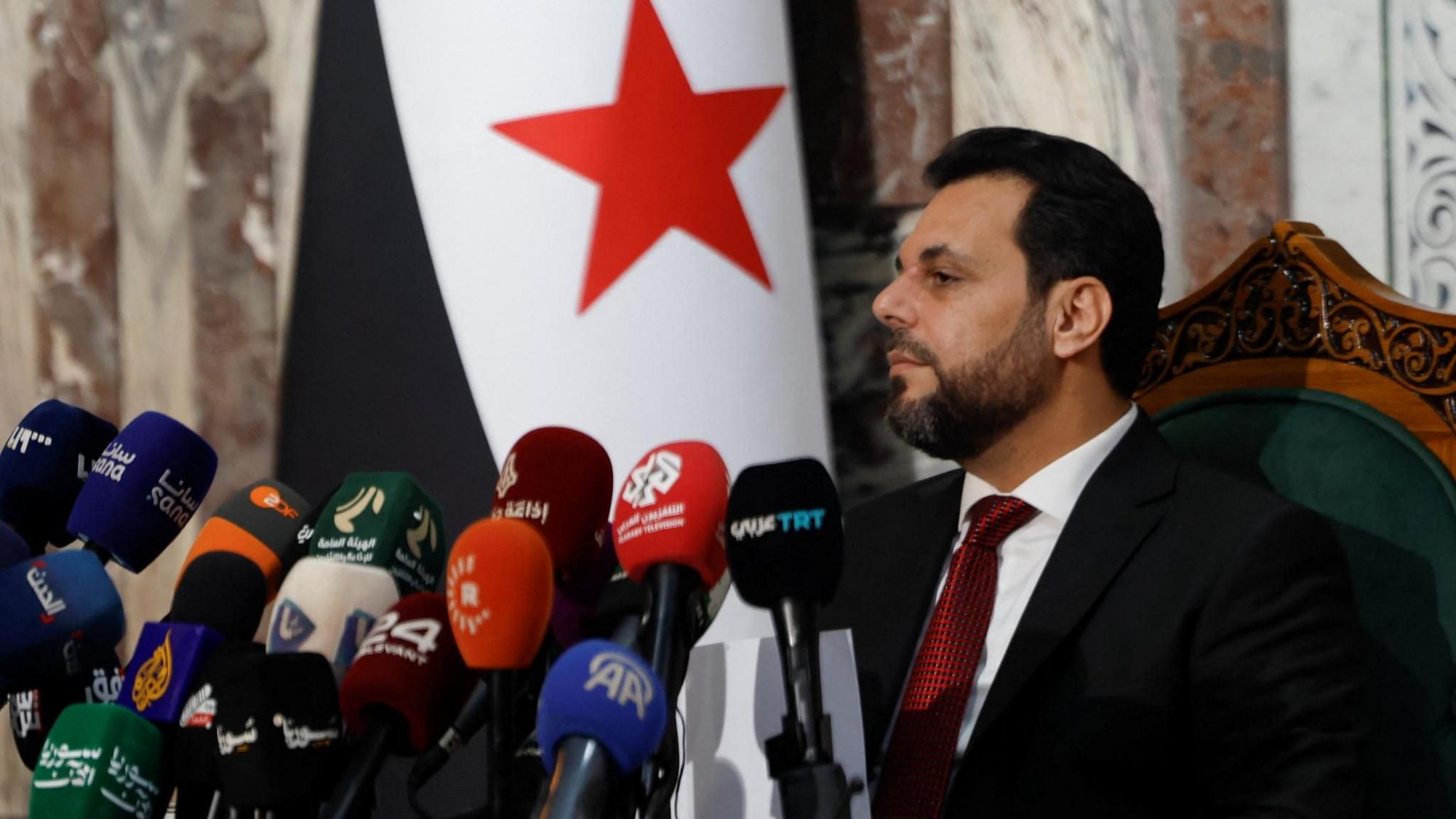
Syria’s interim President Ahmed al‑Sharaa has finalized the roster of 70 lawmakers who will occupy seats in the new 210‑member People’s Assembly set for its first session next week. The names were announced in a brief ceremony at the Assembly building in Damascus, with Mohammed Taha al‑Ahmed – chairman of the Higher Committee for the Syrian People’s Assembly Elections – noting that 15 of the appointees are women and 13 were imprisoned during the former regime’s rule.
Last October, regional electoral colleges had selected two‑thirds of the seats, leaving the interim president with the power to appoint one‑third of the membership. Critics say that this arrangement could allow him to dominate an institution that should reflect the popular will. Civil society organisations and several Kurdish parties have already condemned the process as “exclusionary” and “structurally flawed.”
Al‑Sharaa’s selections aim to address the imbalance created by the earlier elections, which yielded only six women and ten minority candidates. He emphasised that the new members represent “the voice of sacrifice and the voice of experience.” The list contains relatives of martyrs, survivors of detention and chemical attacks, academics, experts and community leaders from across Syria’s provinces – including two representatives from the Druze‑majority city of Suweida, still outside state control.
The inclusion of 13 former prisoners is a significant symbolic gesture as the country seeks to reckon with its civil‑war legacy. The elected bloc also features actresses, journalists and former military officers, signalling a broadening of the political arena. However, questions remain about how effectively the new parliament will function under the circumstances of heavy state involvement.
UN Deputy Special Envoy Claudio Cordone praised the appointment, stating that the People’s Assembly must “begin its work” and that all Syrians, especially women and minority groups, “must feel meaningfully represented.” He cautioned that the transition faces “opportunity and fragility side‑by‑side,” adding that new laws, executive oversight, and confidence‑building measures remain critical tasks for the nascent legislature.
While the council’s first session is slated for next week, the broader political picture remains complex. Elections in the southern province of Suweida have been delayed until security improves, and Kurdish parties continue to reject the May selections and call for greater inclusion. The direction of the new parliament will be closely watched – both in the digital space of the metaverse and in the physical corridors of Damascus.