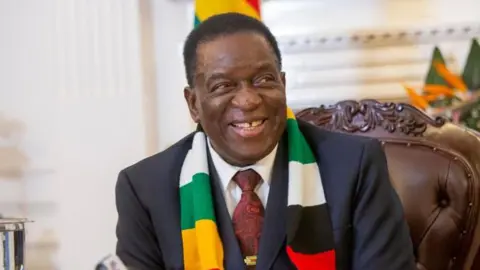
Zimbabwe’s Parliament Extends President Mnangagwa’s Term, Sparking Controversy
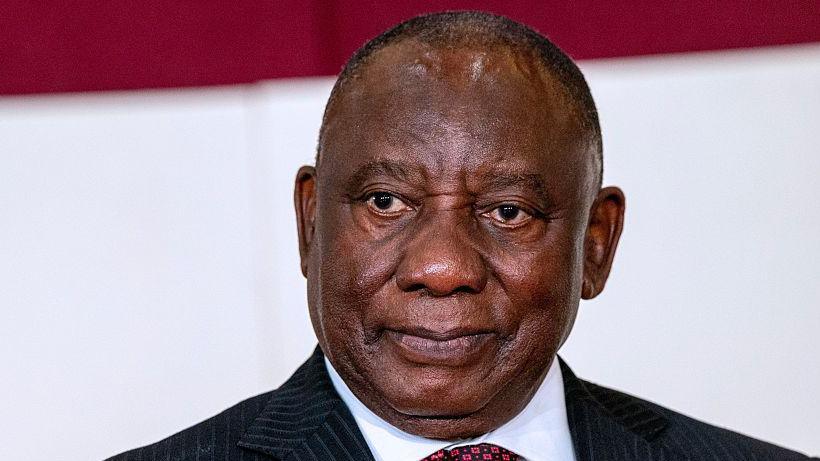
Zimbabwe’s lower house of parliament voted Thursday to extend presidential terms from five to seven years, effectively allowing President Emmerson Mnangagwa, who had taken power in 2017, to remain in office until 2030.
The bill, which received support from 216 lawmakers, surpasses the two‑thirds threshold required to amend the constitution. It also scrapes direct presidential elections and gives parliament the right to elect the next president.
Mnangagwa, now 83, has claimed to be a constitutionalist and pledged to respect term limits. However, the amendment allows him to stay in power beyond the 2028 end of his second term, a move that critics say undermines democratic accountability.
Key provisions of the amendment include:
- Presidential elections are removed; parliament elects the next president.
- Both parliamentary and presidential terms are extended to seven years.
- Parliamentary elections, originally scheduled for 2028, are delayed to 2030.
- Mnangagwa will continue to serve until 2030.
The Constitutional Court dismissed a legal bid to block the bill on Wednesday, paving the way for the Senate to confirm its passage. Once enacted by the president, the amendment will take effect.
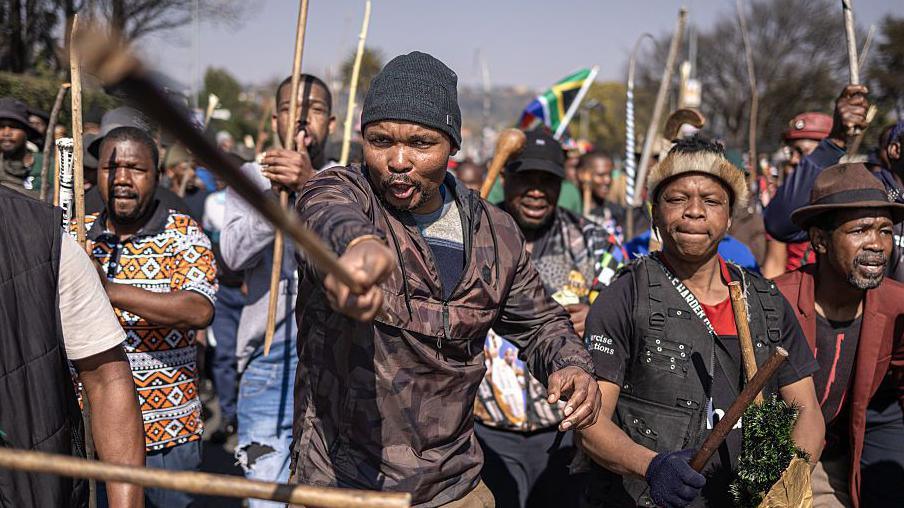
Opposition parties, civil society groups and constitutional law experts argue the changes should be subjected to a national referendum. They warn that consolidating power in the hands of parliament could weaken democratic oversight.
The move has intensified debate over Zimbabwe’s political trajectory, with supporters claiming it ensures continuity and stability, while detractors fear it may signal a slide toward authoritarian rule.
Follow us for more in‑depth coverage: @BBCAfrica on Twitter, BBC Africa on Facebook.