In brief
Countries across Africa are adapting to the impact of the Iran conflict on fuel supplies by implementing drastic measures including power rationing and modifying fuel compositions. While some nations suffer from shortages, others like Nigeria and South Africa could potentially gain from new opportunities. With government efforts spotlighting innovative solutions, the region navigates the fuel crisis amid rising prices and resource scarcity.
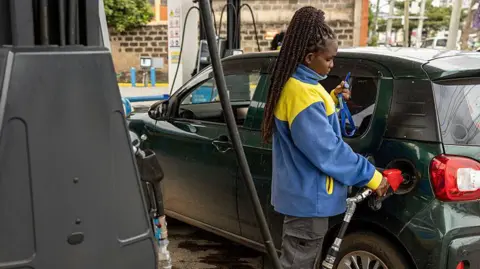
Countries across Africa have taken measures such as diluting petrol and restricting electricity consumption to cope with the fuel crisis triggered by the US and Israel's war in Iran. South Sudan has started to ration electricity in its capital, Juba, while Mauritius has imposed restrictions to reduce wastage especially in high-power consumption areas. As governments scramble to find alternative sources of fuel, Ethiopian authorities have ordered suppliers to prioritise specific sectors such as security, while Zimbabwe is increasing the ethanol content in its petrol. However, some nations such as Nigeria and South Africa could potentially benefit from new business as a result of the conflict. South Sudan has some of East Africa's largest oil reserves, but the majority is exported, while it imports the refined product needed for fuel. The power rationing comes on top of the intermittent cuts that have been ongoing since May last year due to maintenance operations. On Wednesday, Juba's main electricity distributor, Jedco, said parts of the city would start experiencing daily power cuts on a rotational basis, explaining that 'due to the ongoing Iran-US conflict... Jedco must proactively manage its available energy reserves.' Residents have expressed concern about the impact on businesses. In Mauritius, the government reported a shortage of oil stocks, leaving the country with only 21 days of supply. Alternative fuel supplies are being imported at a higher cost, which could further burden the economy. Amid shortages and rising prices, measures in Zimbabwe and other countries reflect the diverse strategies African nations are employing as they respond to the fuel crisis. While some areas are struggling, others may find new opportunities arising from the situation.