Zimbabwe's Constitutional Overhaul Sparks Controversy
Fears are growing in opposition circles in Zimbabwe that the ruling Zanu-PF party is making a new grab for power as it presses ahead with constitutional amendments aimed at giving parliament - rather than voters - the right to elect the president and to extend his term from five to seven years.
This is a coup, a slow coup that is unfolding in Zimbabwe, veteran opposition politician and former finance minister Tendai Biti told the BBC.
But Zanu-PF - in power since independence in 1980 - has vehemently defended the proposed changes. Party spokesman Patrick Chinamasa stated, There's nothing that stops us to change, to go to another system that's less costly, less controversial.
The conflicting views highlight the deep polarisation that draft legislation - aimed at changing the constitution - has caused, pitting Zanu-PF and opposition supporters against each other.
This became evident during public hearings held recently to give people a chance to express their views on the proposed shake-up that would lead to:
- Presidential elections, held since 1990, being scrapped.
- Parliamentary and presidential terms being extended from five to seven years.
- Parliamentary elections scheduled for 2028 being delayed to 2030.
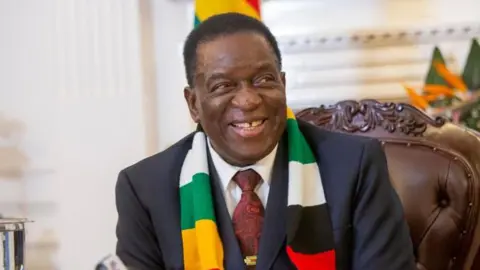
- President Emmerson Mnangagwa, whose second term is due to end in 2028, remaining in office until 2030.
- The new parliament electing the next president.
Public hearings revealed a mixed response; thousands attended a venue in Harare where many shouted support for extending Mnangagwa's term. However, significant opposition emerged, met with palpable tension as critics faced intimidation during the hearings.
Opposition figures characterized the amendments as a move towards an 'imperial presidency,' echoing sentiments about returning to an autocratic governance style reminiscent of Robert Mugabe's regime. As the bill heads for parliamentary approval in the coming weeks, the political landscape of Zimbabwe remains fraught with uncertainty as factions grapple over the future direction of the nation's democracy.