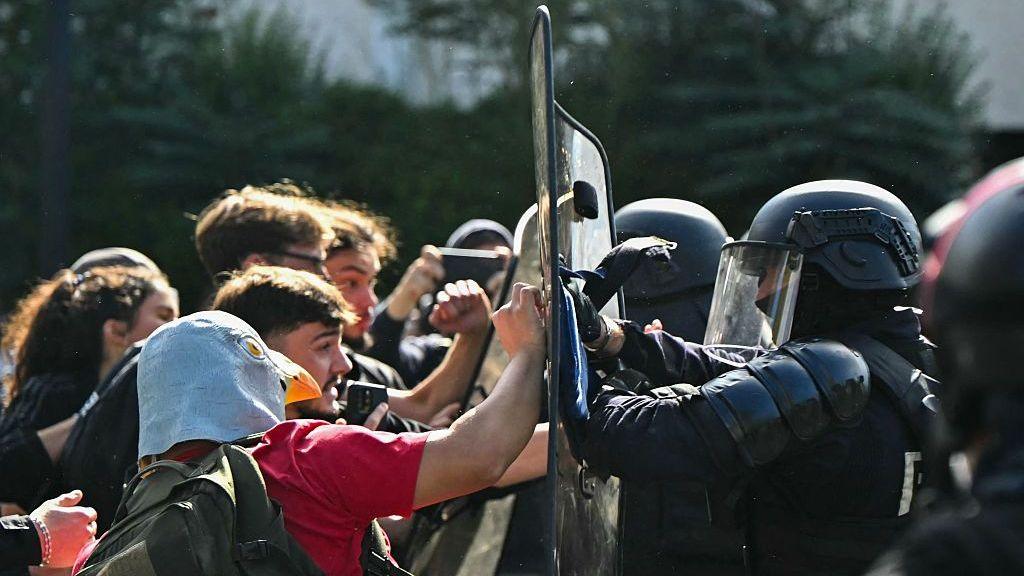
The wave of student protests that began in the Seine‑Saint‑Denis suburb of Paris in late September has now clogged a significant portion of the French education system, with more than 400 secondary schools ordered closed to safeguard staff and pupils.
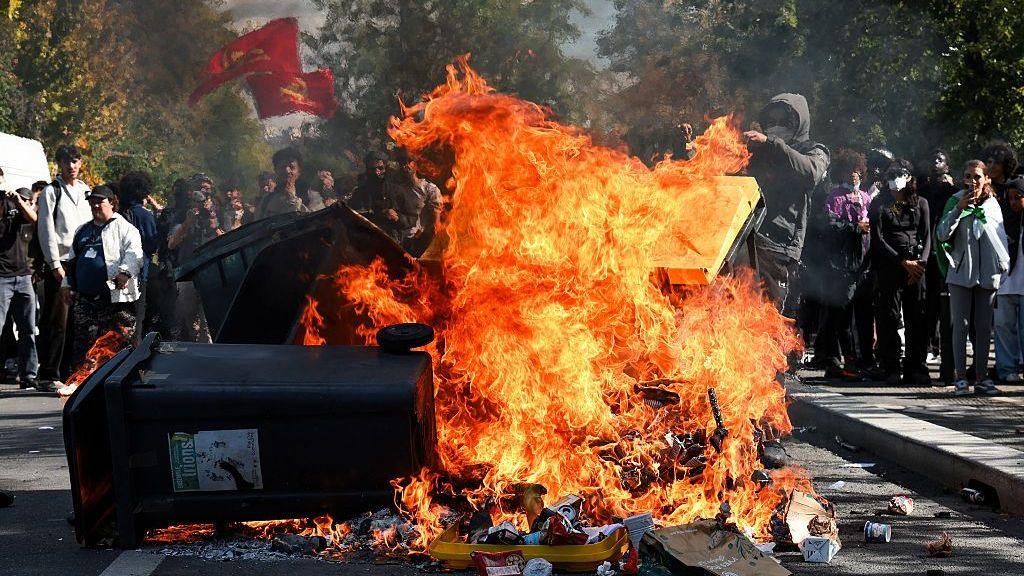
Students have gathered outside schools to demand smaller class sizes, additional teachers and better buildings – and to protest the sweltering heat that has turned classrooms into the hottest places on campus during this year’s heat‑waves. The response has been swift and often violent; on Thursday a main hall of a lycée in Nantes was set ablaze, while smaller fires have been recorded at school entrance gates across the country, with damages costing millions of euros.
The violence is not limited to the students. Education Minister Édouard Geffray reports that 65 teaching staff – including 40 school heads – were injured, many claiming that the aggressors were not their own pupils. Police and firefighters have also been injured, with some 300 treated for wounds, and roughly 2,000 people – mostly minors – taken into custody.
While the immediate demands centre on increased funding for schools, the movement has been linked by investigators to far‑left students unions and political groups such as France Unbowed (LFI), which some claim is using the unrest to galvanise support ahead of the May presidential election. LFI founder Jean‑Luc Mélançon has called for non‑violence, but the organisation has been seen at several protest sites, raising suspicions that the protest could be a catalyst for a larger left‑wing political agenda.
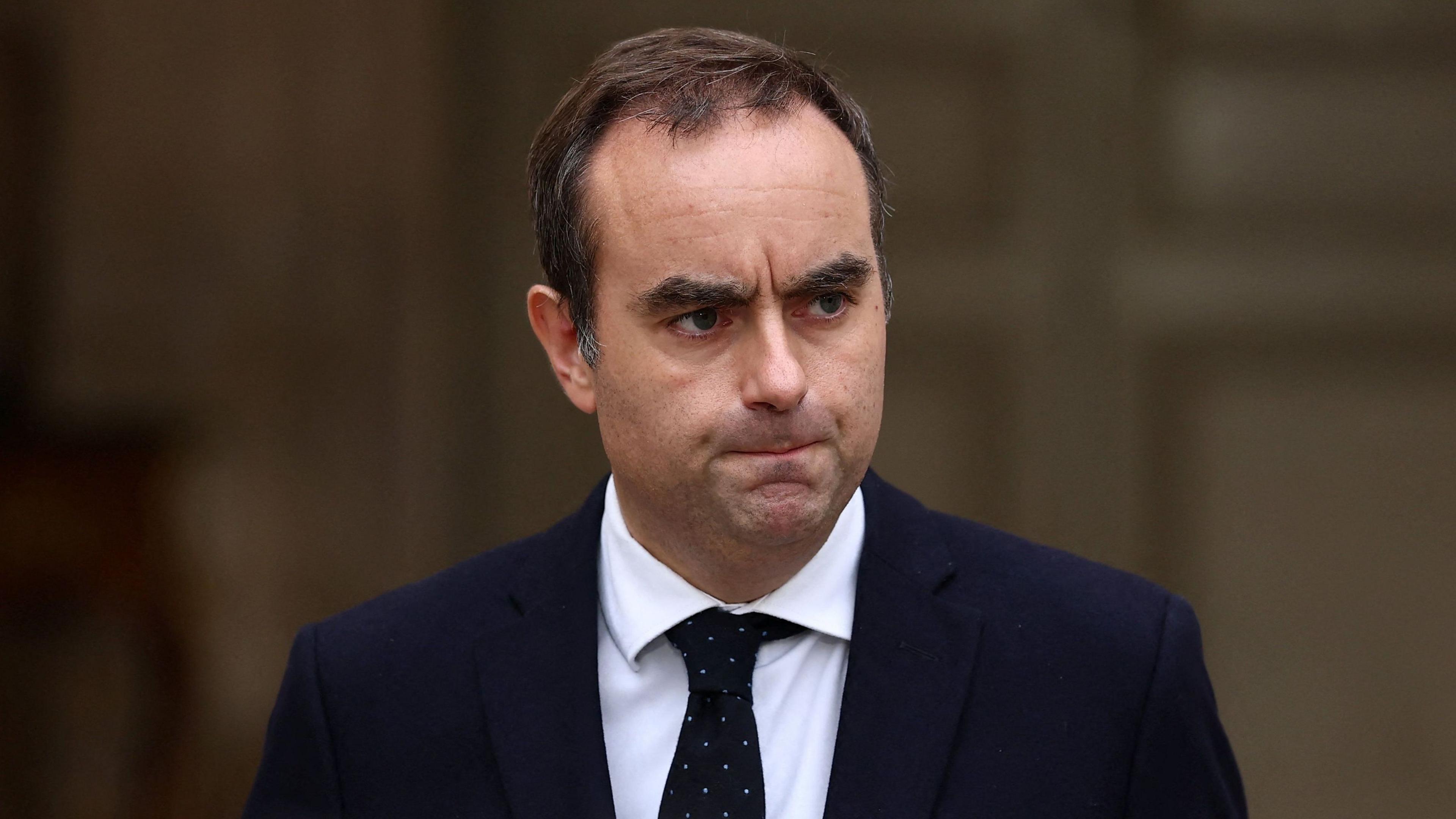
Prime Minister Sébastien Lecornu’s draft for next year’s budget, which promises a €54 bn cut, has failed to placate the demands. The fiscal plan, requiring a significant squeeze on public spending, may further widen the divide between those seeking immediate educational improvements and the administration’s pressure to balance the state budget.
Election winds are also shaping the tension. With the presidential race looming, some commentators argue that the protests are being used to highlight the youth’s concerns as a means of swaying the 18‑24‑year‑old demographic – a group that is both the most supportive of LFI and the biggest abstainers in France. Should the far‑right Marine Le Pen win a second round, the ripple effect of student unrest could herald a heightened period of political instability.
In the meantime, the French emergency services are in an increasingly fragile position: handling public safety, investigating the causes of violence and mitigating the risk of further confrontations. The government continues to urge students to exercise restraint while working to revive confidence in the nation’s educational system, but the current climate threatens to keep schools closed and the public’s trust shaken for weeks to come.