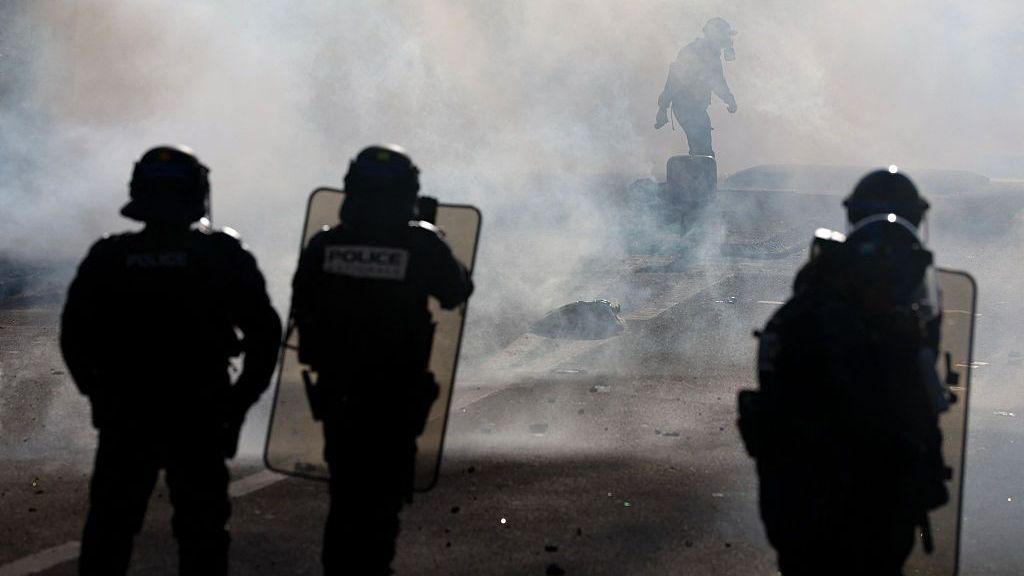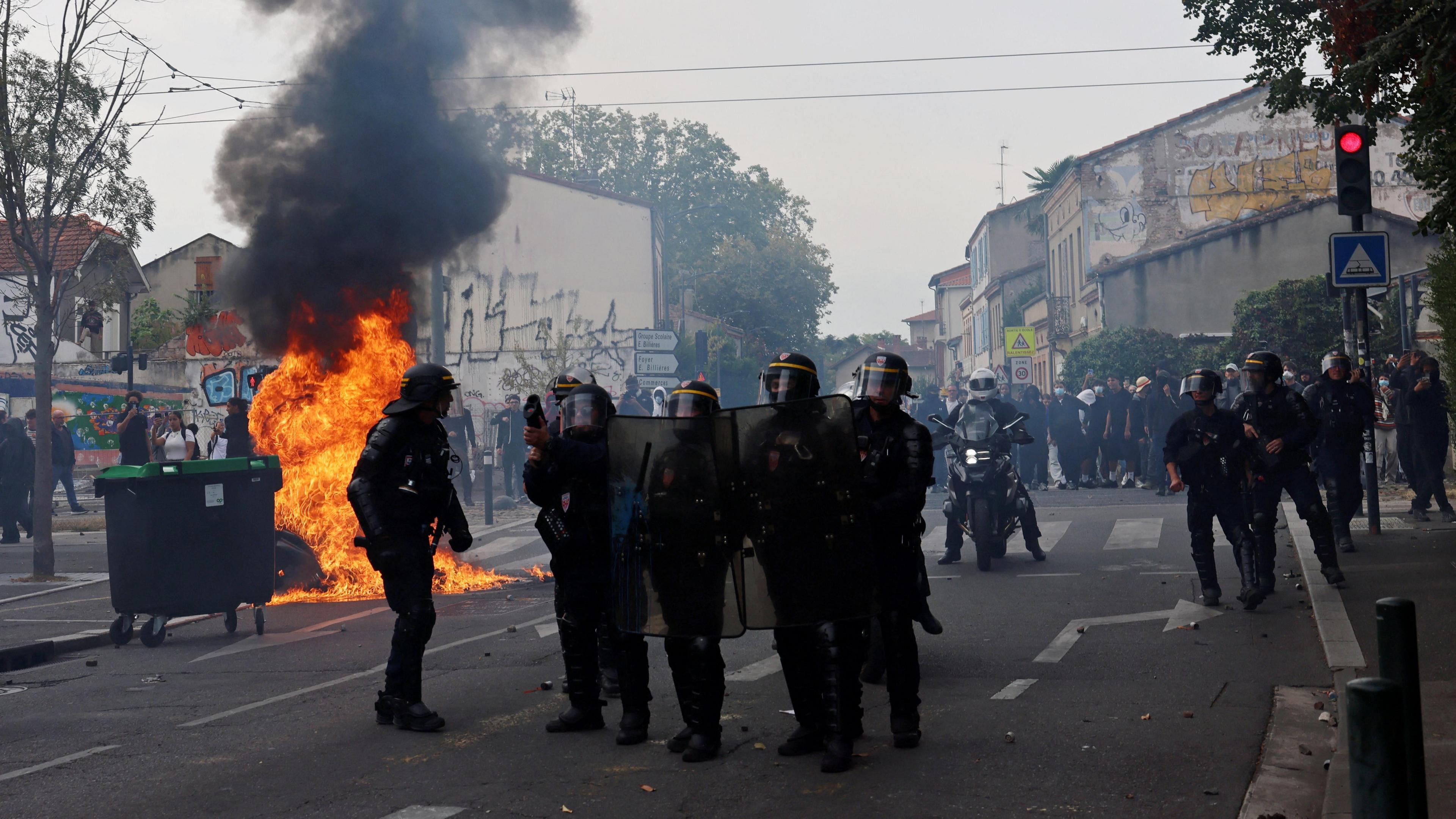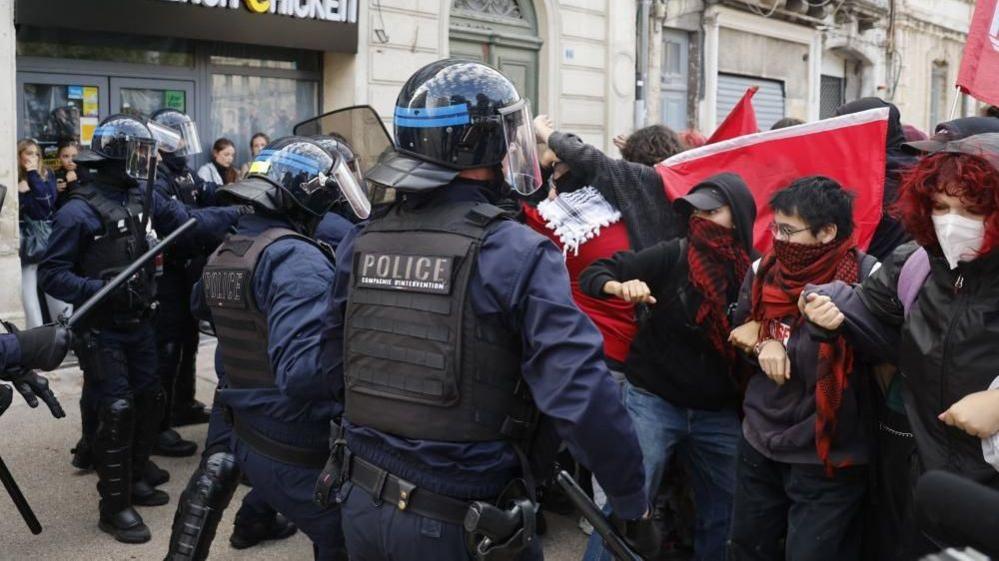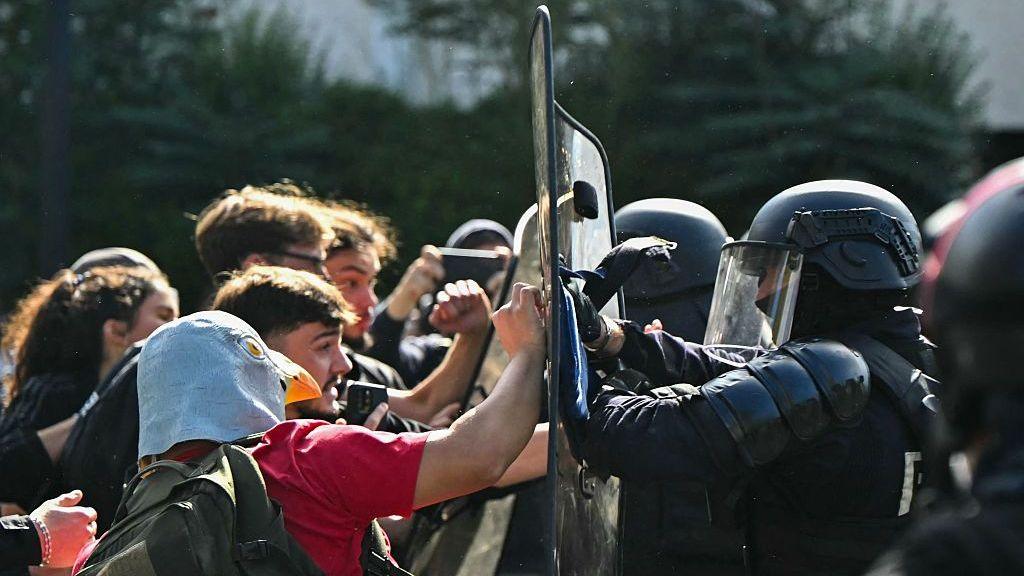
France is braced for a nationwide day of school protests after a week of demonstrations that left more than 500 schools partially or fully shut, at least 190 students injured and over 5,000 people arrested.
On Tuesday, student organisers called for a coordinated action across the country, arguing that the government’s recent measures fail to address the underlying problems – overcrowded classrooms, aging infrastructure and a critical shortage of teachers.
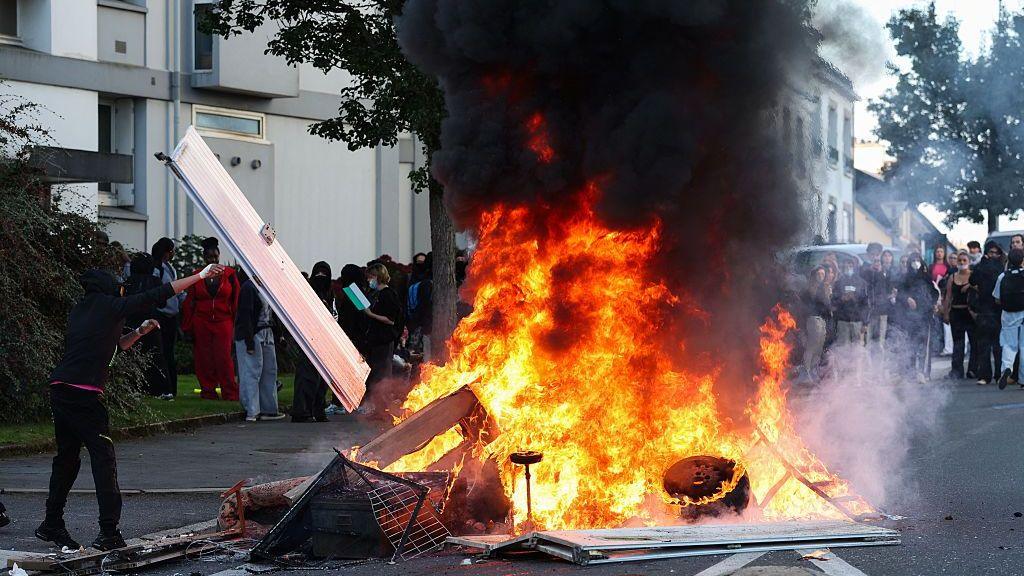
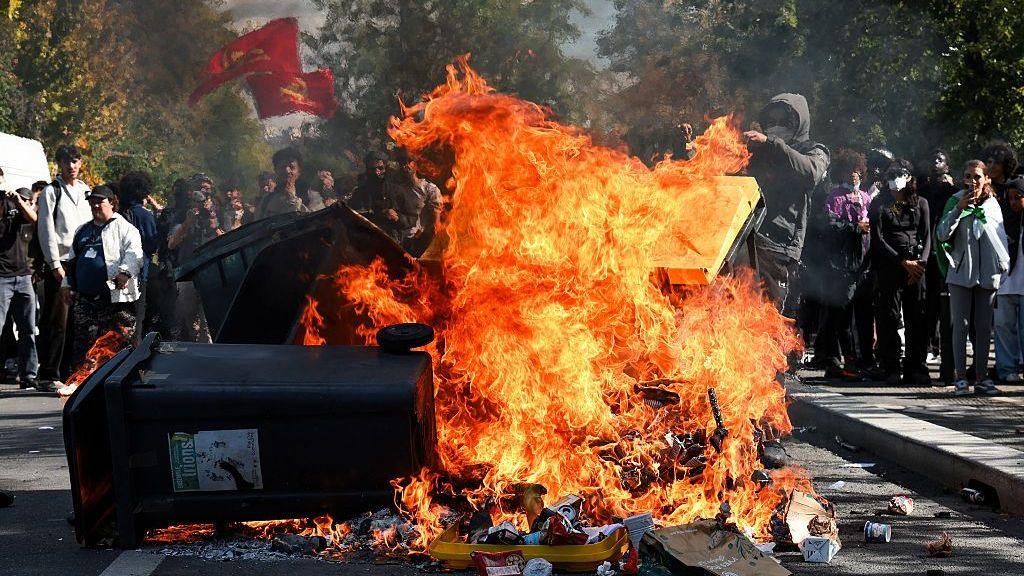
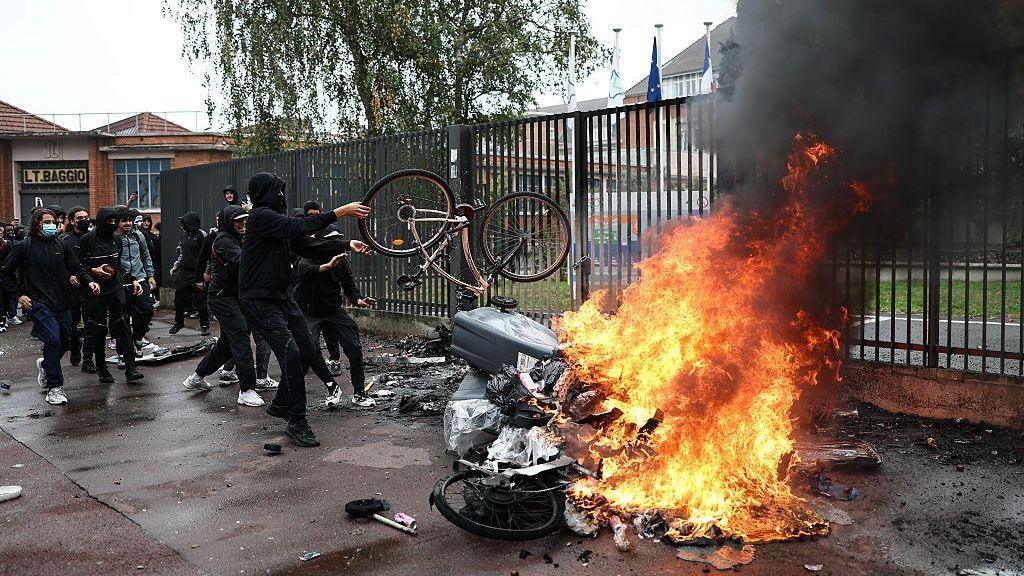
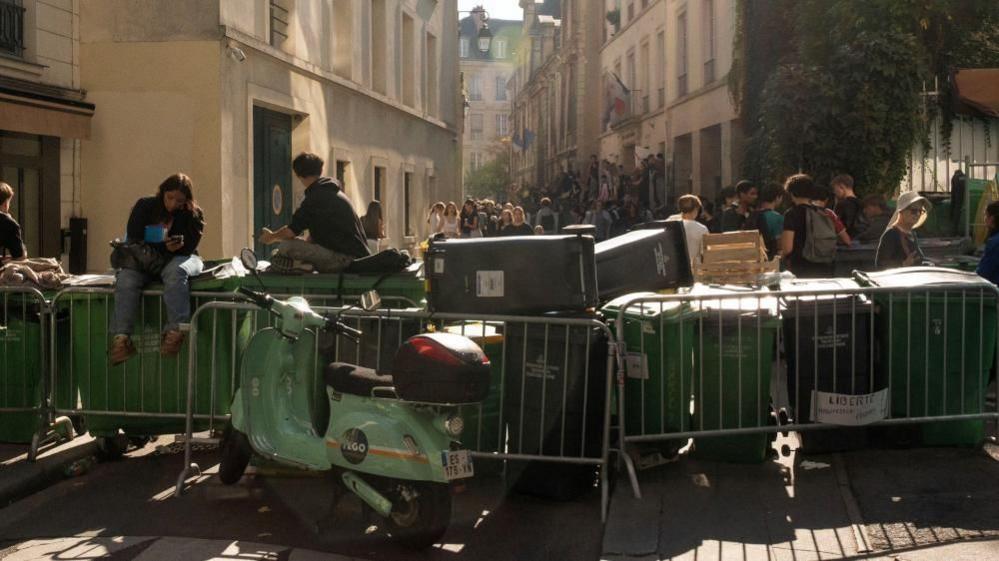
The protests began in late September in Paris and have now spread to cities nationwide. Students have blockaded schools, set fire to waste bins and, in some cases, caused fires outside school buildings.
Tragedy has marked the week: a 15‑year‑old boy in Lens lost his hand after a clash with police, and a 14‑year‑old in Saint‑Ouen‑l’Aumône suffered a double jaw fracture when struck by a tear‑gas grenade. These incidents have intensified calls for an end to “unprecedented repression of the movement”.
Prime Minister Sébastien Lecornu pledged “visible changes” to education but warned against conceding to violence. Interior Minister Laurent Nuñez defended the police’s actions as “extremely proportionate”.
Jean‑Luc Mélenchon of the La France Insoumise party hailed the movement as the most powerful since 1968 and accused the police of abuse of power, while hard‑right opposition figures, including Marine Le Pen, have criticised the left for stoking the unrest.
In the coming days, the government must decide whether to strengthen support for schools or risk escalating unrest further. The students’ demands – better funding, more teachers and safer learning environments – may yet shape France’s political agenda.