Riot police clash with thousands of students as education protests rage in France
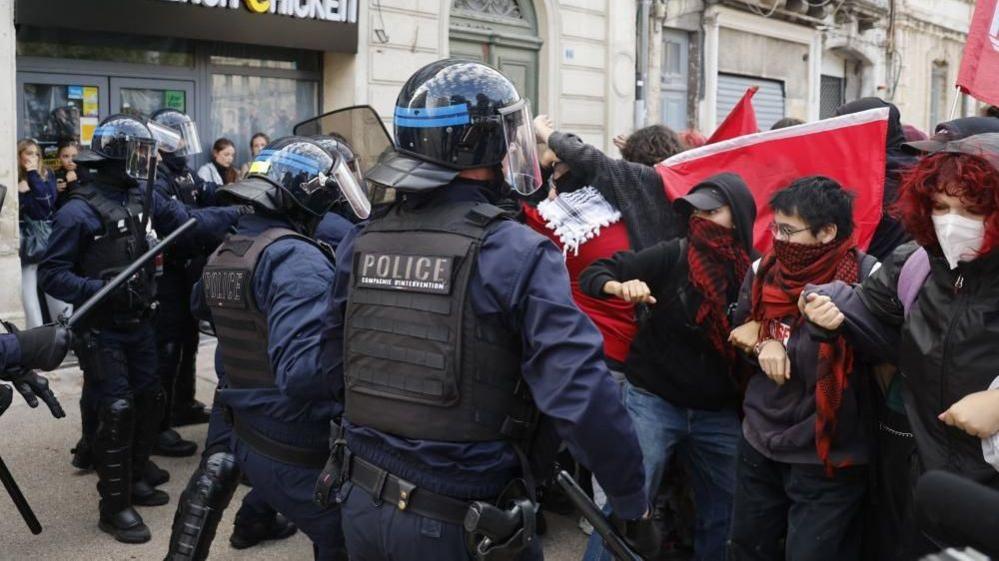
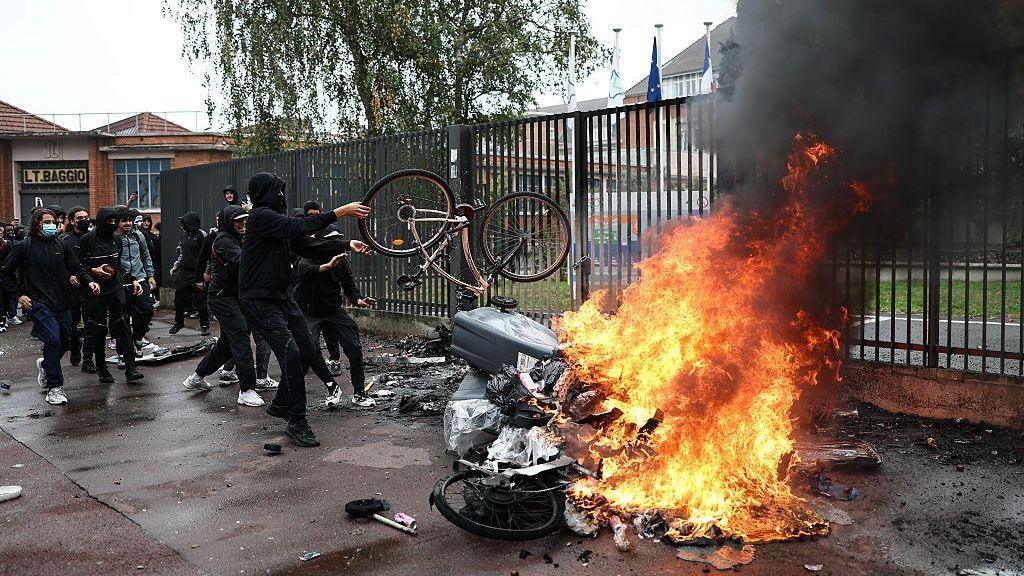
On Monday, riot police confronted a ragged crowd of students inside a high‑school in Paris, a scene that has become a recurring motif as the nationwide student uprising escalates. Over 700 schools have been jammed by protestors demanding better facilities, fewer teachers and longer breaks.
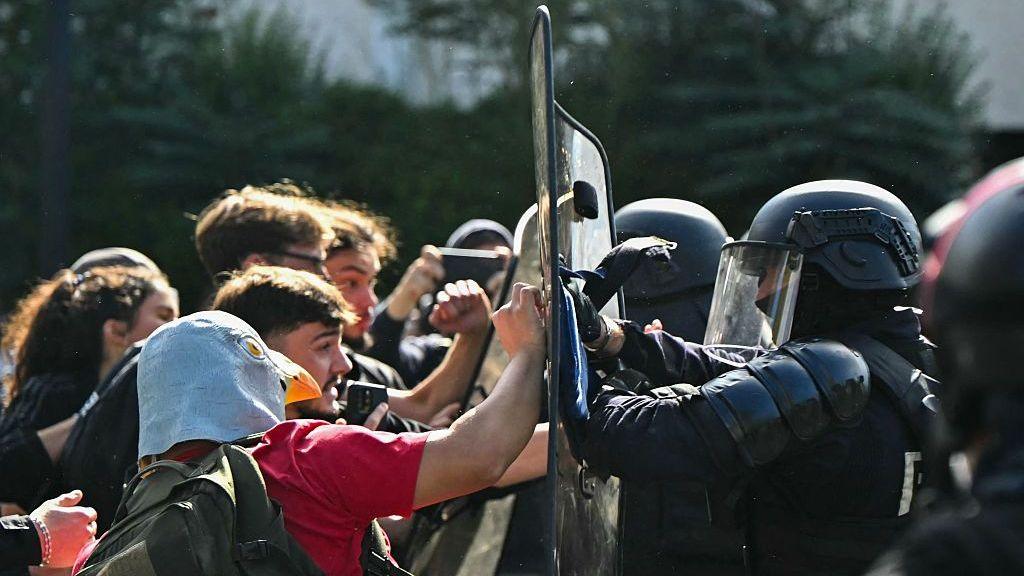
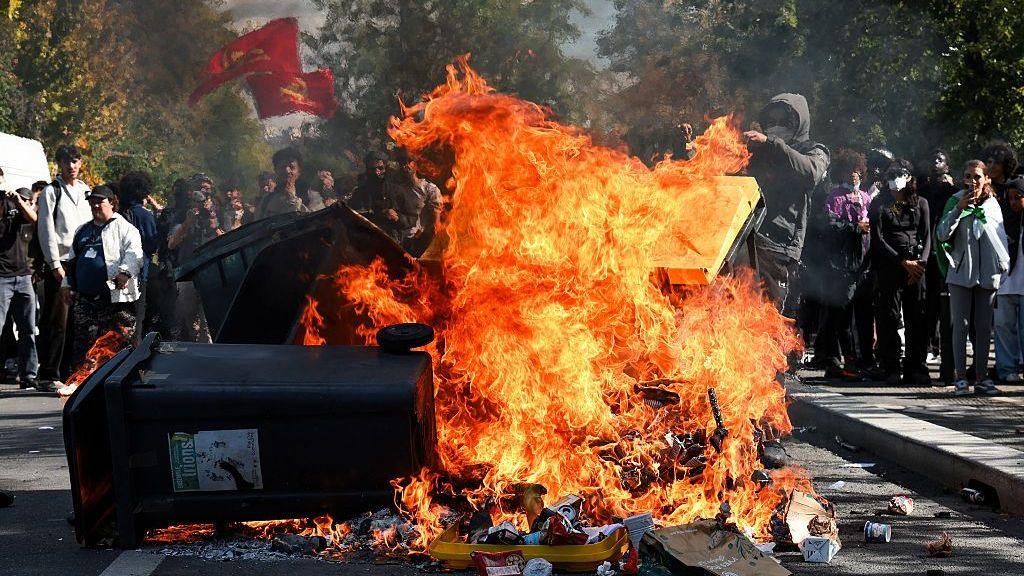
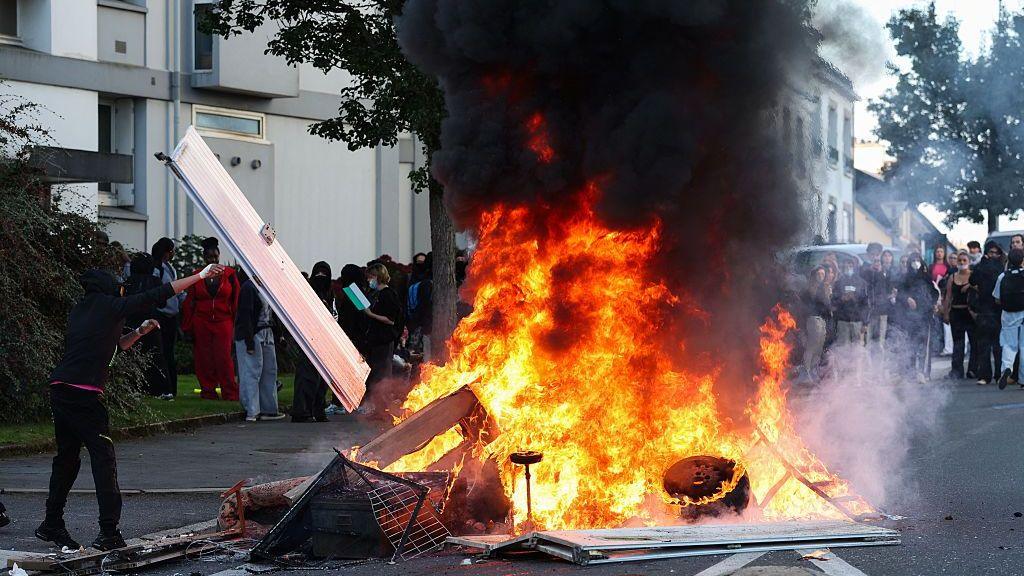
The first clashes erupted last week in the capital when a group of students locked doors, hurled objects and set a barricade on fire. Since then, demonstrators have multiplied across major cities – from Nantes and Marseille to Strasbourg – often confronting police in full body armour. In several instances the police have been forced to deploy tear‑gas canisters.
Interior Minister Laurent Nuñez confirmed that 1,747 people were arrested, nearly a thousand of them teenagers. “We are sliding into riot and urban violence,” Nuñez told a televised briefing, adding that “all intermediate means” are being used to restore order.
Education Minister Édouard Geffray said the movement was “hijacked by non‑students”. He explained that teachers were often left standing defence, explaining that “the people in front of me were not my students”.
Students sing a new chant that reveals their frustrations: “As far as we’re concerned, we’ve won – our school is closed this morning.” 16‑year‑old Lola, who filmed the demonstration from her bedroom, added that police attacks only intensify anger: “The police have no right to hit us or use tear gas on us.”
Property damage is widespread. In Nantes, the Nelson Mandela high school suffered more than €2m ($1.7m) of damage when fire broke out, destroying the glass entrance and interior rooms. According to the French Education Ministry, more than 65 staff members have been injured in the unrest, and police have seized petrol bombs, an axe and other incendiary devices from demonstrators.
Union leaders have stepped in, with SNEP‑FSU, SNUEP‑FSU and Solidaires all backing the movement. Solidaires’ statement read: “Let’s not let them fire on our children. Secondary school pupils have the freedom of assembly, association and demonstration.”
The protests arrive at a tense moment. President Emmanuel Macron faces a presidential election in six months and the Department of Education has been under pressure to cut budgets. Parents are anxious: at the Claude Monet school, a mother searched for her still‑present son after the school closed, fearing escalation.
If the protests continue, the French government will have to confront demands for a serious overhaul of the education system: more teachers, cleaner facilities and more support for students with learning difficulties. The current clashes underscore how urgent change feels to the next generation.