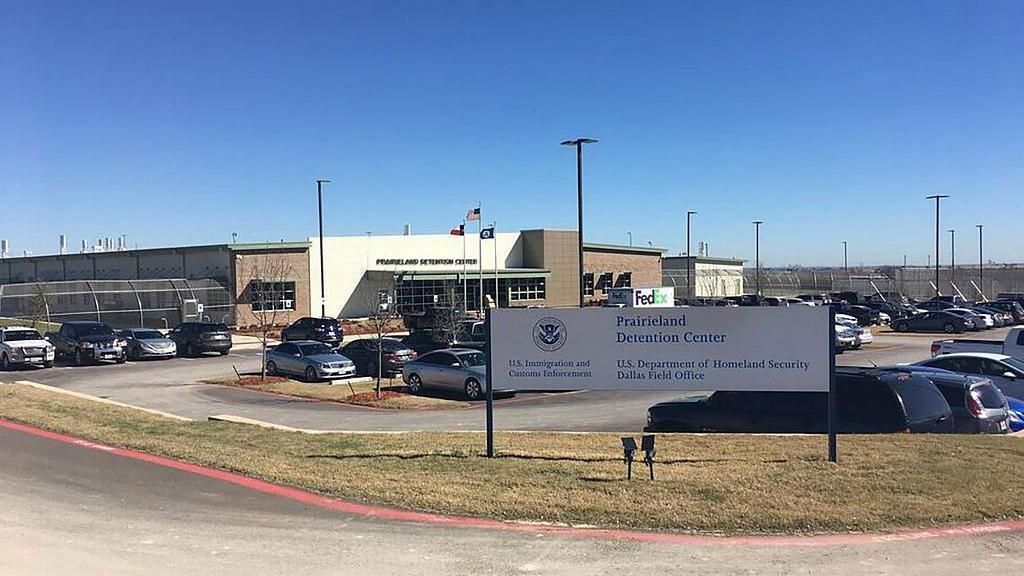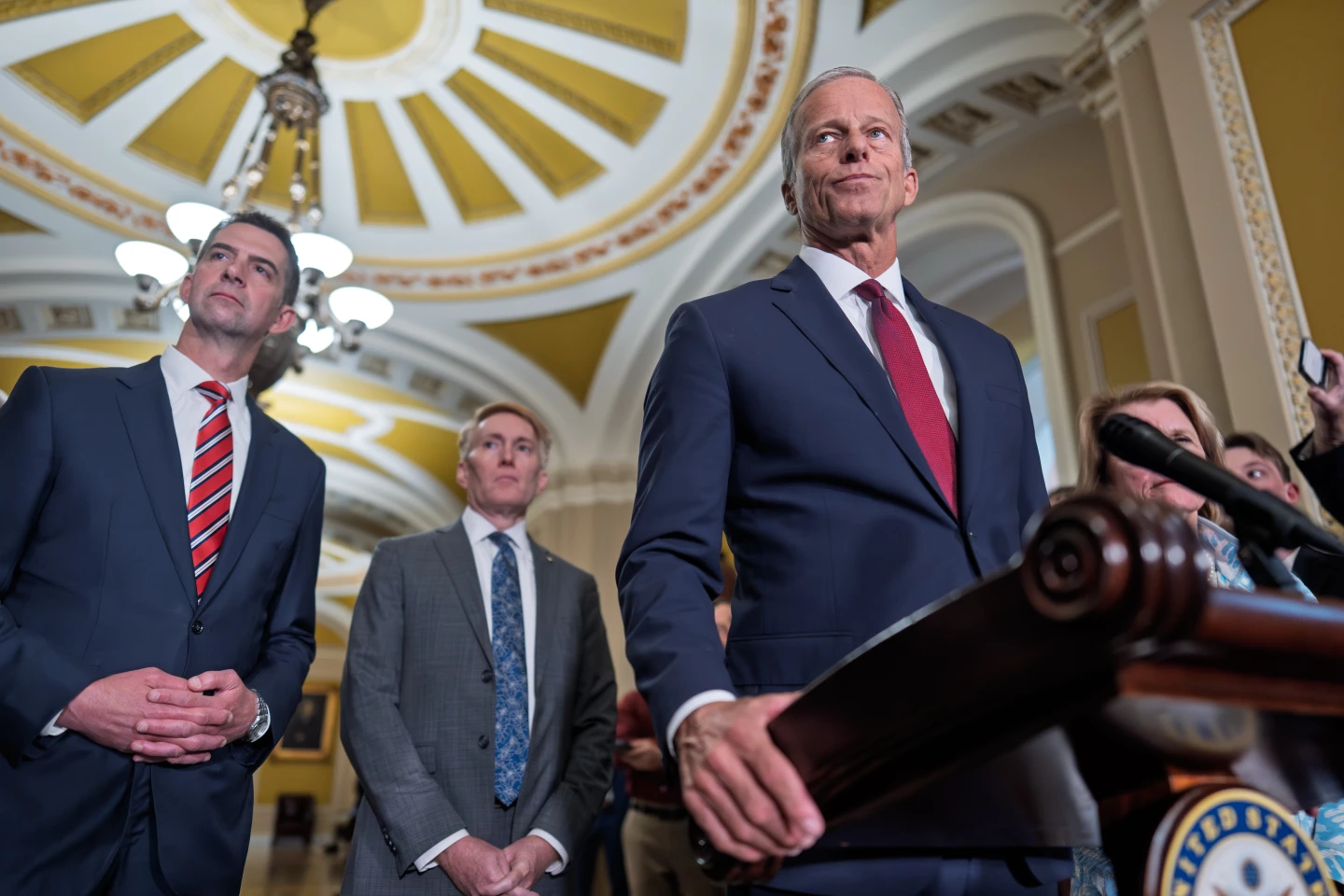
Senate Chair John Thune announced Thursday that the Senate had begun a marathon of votes to pass a $70 billion appropriation for U.S. Immigration and Customs Enforcement and the U.S. Border Patrol, thereby ending a months‑long block by Democrats. The bill would provide funding for three years, through the end of President Trump’s term.
Money for immigration enforcement has always been a point of contention. After federal agents shot two protestors – Renee Good and Alex Pretti – in January, Democrats demanded changes to policies and blocked budget money as a protest. That block finally lifted after Republicans found a procedural route to move the bill forward.
Democrats have been offering a raft of amendments. The most controversial is a proposal to strip the $1.776 billion settlement fund set up to reward Trump’s allies, a fund the administration has defended as critical. The first amendment will return the bill to committee if the settlement is part of the legislation. Republicans like Sen. Thom Tillis have publicly signaled intent to veto any attempt to resurrect the fund.
The bill’s passage relied on a complicated procedural maneuver to avoid the filibuster, giving Republicans a simple majority, albeit without Democratic support. Senate Majority Leader Thune stressed that the focus remains on funding ICE and CBP, keeping the language clean and narrow.
Trump, who has had a strained relationship with Senate Republicans, said the settlement fund was very important and that he was uncertain whether it was still active or on hold, citing that he would need to consult lawyers.
Meanwhile, Democrats are using the reconciliation process to push further votes that could ban the settlement or overturn the immigration funding altogether. House leaders, including Majority Leader Steve Scalise, are also aiming to resolve the bill before week’s end.
In the end, the Senate’s approval sets the stage for the Trump administration to maintain its immigration enforcement agencies through 2029, but the political wrangle over the settlement fund and White‑House security funding remains unresolved.
}