Iran Accord Forces Netanyahu into Political Crossroads
The US‑Iran ceasefire agreement, now in force, has become a political nightmarish twist for Israeli Prime Minister Benjamin Netanyahu, unraveling the three pillars of his political career and forcing him into a new security dilemma.
Netanyahu, who previously positioned himself as the political whisperer of Washington and a powerful influence on American policymakers, has been sidelined and publicly insulted by a key U.S. ally. The deal also threatens his tougher stance on Libya, leaving him divided over how to respond to Tehran’s call for a comprehensive ceasefire that includes attacks on Hezbollah.
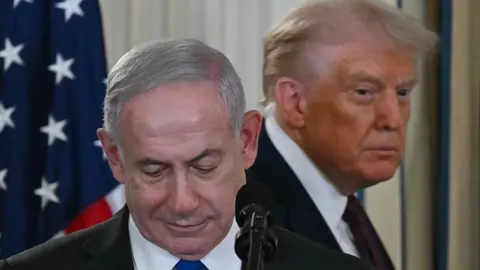
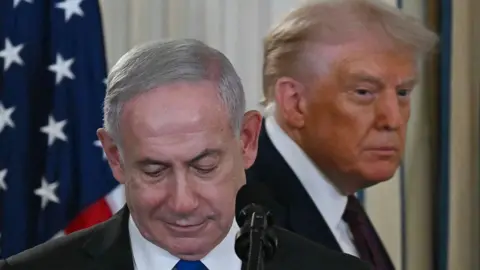
Trump visited Netanyahu at White House during a press conference.
In a recent Knesset debate, opposition leader Yair Lapid summed up Netanyahu’s stakes as either direct confrontation with the United States or a surrender that would abandon Israeli interests. Even more intense pressure came from within his coalition, with far‑right ministers demanding the ceasefire cover all fronts—Lebanon, Syria and Israel itself.
Comments from Israeli security officials and former Mossad specialists have amplified criticism: the U.S. move puts Iran in a position to continue supporting Hezbollah and preserves it as a political actor in Lebanon. Israeli ministers have accused Trump of weakening Israel’s military freedom.
The Prime Minister dismissed allegations that his approach was inaccurate. He reiterated his lifetime goal: preventing Iran from acquiring nuclear weapons while maintaining a strategic buffer zone in Lebanon.
Netanyahu’s aggressive security policies have seen Israel occupy large territories in Gaza, Lebanon and Syria—drawn most Israelis but wearing on military resources. Repeated conflicts have not removed key enemies, and Tehran now hosts more hard‑line leadership, capable of leveraging the Strait of Hormuz.
With the October deadline for a national election looming, Netanyahu’s narrative about securing Israel is increasingly shaken by diplomatic realities and the insistence of both U.S. and Iran on a more restrained approach. He faces a stark choice: continue aggressive confrontation or temper his approach to keep alliance ties intact.