Cuba tourism collapses as US pressure campaign bites
Foreign arrivals to Cuba have plunged in the first five months of 2026, with a 58.4% fall compared to last year, according to Uruguay’s national statistics agency Onei.
The decline follows a sharp tightening of US sanctions aimed at the tourism sector—a key source of foreign income for the Cuban economy—triggering an exodus of airlines and hotel operators.
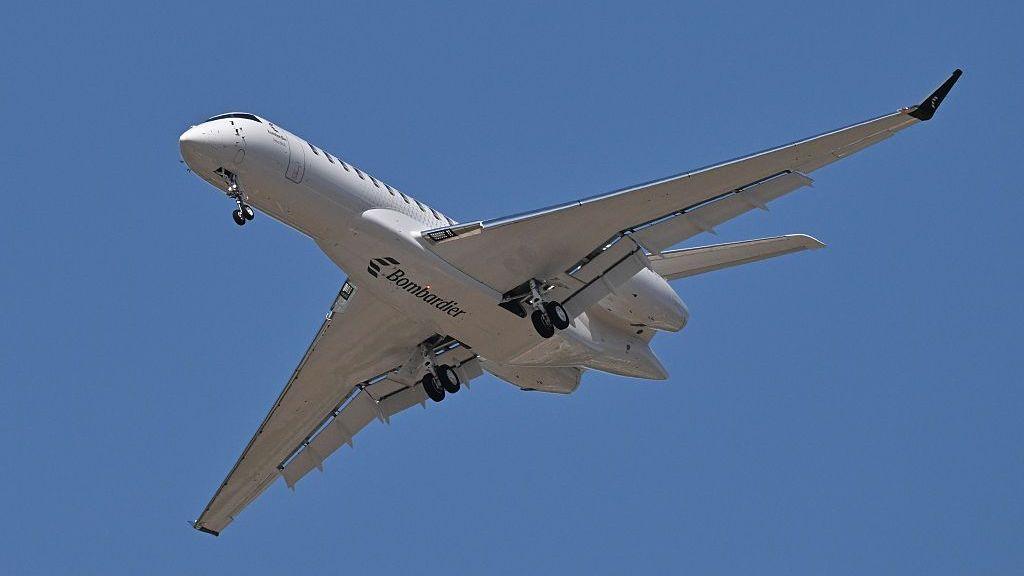
Air Canada announced an indefinite suspension of its Cuba flights citing “ongoing political and economic uncertainty.” Earlier in February, the carrier had already halted operations because of a scarcity of aviation fuel on the island.
Spanish hotel chains Meliá and Iberostar cut services to many Cuban hotels ahead of a June 5 deadline set by Washington for companies to stop doing business with the state‑owned conglomerate Gaesa.
US Secretary of State Marco Rubio has denounced Gaesa as a “state within a state,” accusing it of hoarding profits for a small elite while repressing dissent. The sanctions have further strained Cuba’s already fragile supply chains, exacerbating shortages of fuel, medicines and food.
State‑run outlet Cubadebate reported a drop in the survival rate for children with cancer from 85% to 65% since January, a change linked to the tightened oil blockade. With electricity outages to two hours a day, even a monastery producing communion wafers struggles to keep up with demand, leading priests to ration the bread.
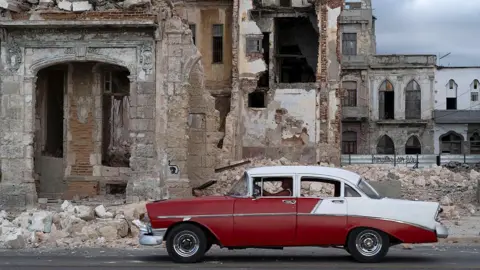
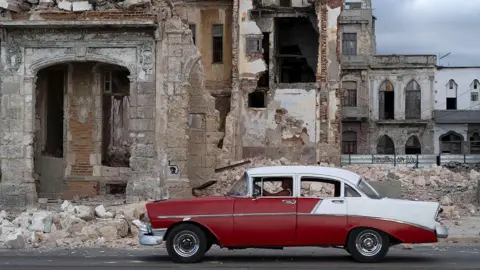
Widespread power cuts have led to piles of garbage on streets, reflecting the broader impact of the US embargo on everyday life in Cuba.
Readers can find related coverage in the following articles:
- Cubans grapple with fuel shortages and blackouts as US steps up pressure
- Rubio says Cuba is threat to US as Havana accuses him of 'lies'
- Will US invade? Three ways Cuba crisis could play out now