In brief
Japan has increased its visa fees by 500 per cent, moving single‑entry permits from 3,000 to 15,000 yen and multi‑entry from 6,000 to 30,000 yen. The measures were justified as a response to inflation and the weakening yen, according to Foreign Minister Toshimitsu Motegi. Tokyo does not expect an immediate dip in tourism, despite the sharp rise in costs. The move aligns Japan’s fees with those of other G7 nations and is part of a broader upgrade of fees for residency applications.
Japan’s visa fee hike: context and implications
Japan has implemented a five‑fold increase to visa fees for all foreigners, marking the first price hike in nearly 50 years.
From 1 July, single‑entry visa fees will rise from 3,000 yen ($18.69; £14) to 15,000 yen, while multi‑entry visas will cost 30,000 yen, up from 6,000 yen.
The revisions — the first since 1978 — were made to "reflect inflation and exchange rate fluctuations", Foreign Minister Toshimitsu Motegi told reporters on Friday.
"We do not anticipate that it will have an immediate impact on inbound tourism," he added.
The Japanese yen has been weakening continually since 2021 and is now hovering near historic 40‑year lows.
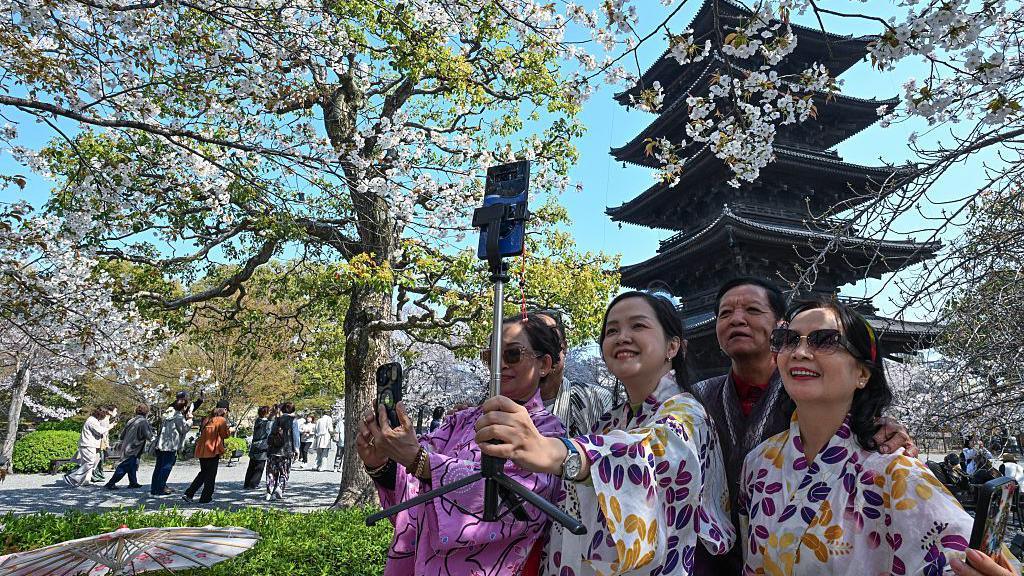
Alongside a post‑pandemic travel rebound, this has led to a surge in tourists to Japan: 42.7 million international visitors in 2025.
In May, Japan’s Upper House passed a bill to raise other fees relevant to foreigners.
Under that revision, the statutory upper limit for permanent residency applications will go up to 300,000 yen, 30 times the current cap of 10,000 yen, and costs to change residency status or extend a stay will rise to 100,000 yen from 10,000 yen.
Authorities say Japan must align its visa and residency‑related fees closer to those of other G7 economies.
For comparison, the US charges non‑immigrant visa application fees ranging from $185 to $315, and the UK’s short‑term visa for six months costs £135.