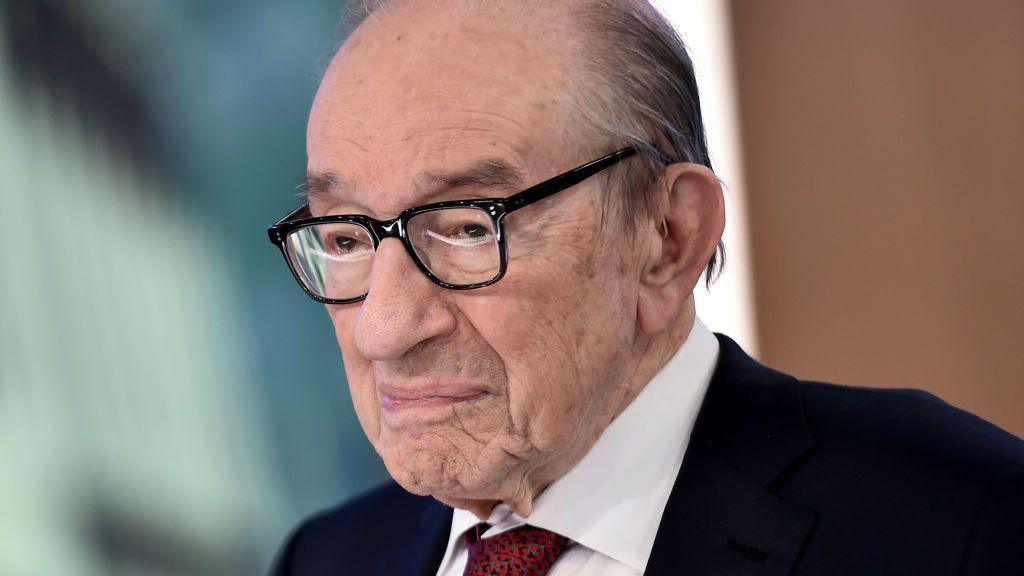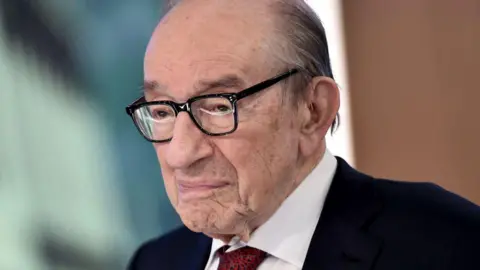
Former U.S. Federal Reserve Chair Alan Greenspan, who guided the U.S. economy for nearly twenty years, has died at the age of 100, his wife confirmed.
Greenspan presided over the longest sustained period of U.S. growth in a generation, steering the country through the 1987 stock market crash, the 1991 Gulf War, the 1998 Russian financial crisis, and the 2008 global credit crisis. He was renowned for his belief that low interest rates could calm markets and that banks could self‑regulate, a stance that critics say helped fuel the dot‑com bubble and the sub‑prime mortgage crisis.
His tenure earned him the Presidential Medal of Freedom and an honorary knighthood; yet he was a polarising figure, praised for “irrational exuberance” warnings but blamed for the “low interest‑rate culture” that delayed market corrections.
Greenspan’s legacy is a blend of gun‑metal confidence and occasional political missteps: he warned against the 2023 rapid rate hikes, criticised President Trump, and called Brexit “the worst outcome.” He remained a sought‑after commentator into his later years, offering insights on the Biden administration even as he celebrated his centenary in March 2026.
For his supporters, he was a guardian of the economy, a financial guru whose long stewardship saw GDP contract only once. For his detractors, his legacy is marred by philosophical anti‑regulation and the two great market crashes that punctuated his rule.