Philippines Transport Workers Rally Against Rising Fuel Costs
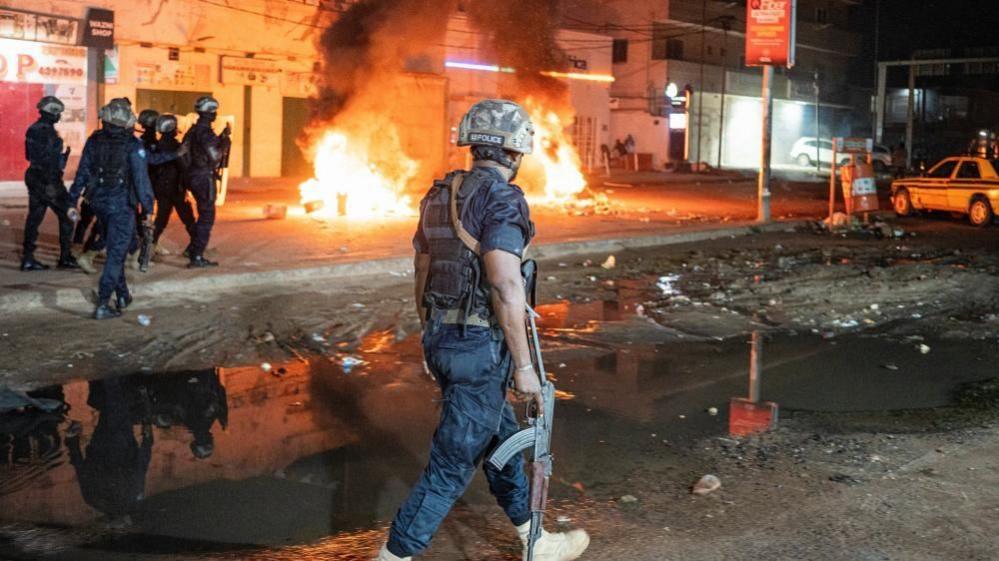
Hundreds of transport workers in the Philippines' capital, Manila, have taken to the streets in a two-day strike triggered by the dramatic rise in fuel costs. Diesel and petrol prices have surged, more than doubling since the onset of the Iran war on February 28, leading the country to declare a national energy emergency.
A 62-year-old driver expressed his desperation, revealing he has gone without food to support his five children and has yet to receive any government aid. This strike is coupled with the recent arrival of a ship carrying over 700,000 barrels of Russian crude oil, highlighting the current energy predicament.
President Ferdinand Marcos' administration has promised to seek new oil sources, as the Philippines relies on the Strait of Hormuz for 98% of its oil requirements. Transport coalitions participating in the strike have outlined demands that include the elimination of fuel taxes, a rollback on oil prices, and the introduction of state controls, alongside requests for increased wages and fare adjustments.
Protests erupted across the capital, with several drivers who expressed their struggles to earn a living joining forces to call for government intervention. Many have reported not receiving the promised financial aid of 5,000 pesos (approximately $83), which left families facing eviction and hunger.
As Manila commuters experience the impacts of the strike in one of Asia's most congested cities, calls for support and understanding have been issued by protestors and affected individuals alike. The situation reflects a broader crisis affecting many in the region due to rising fuel prices amid ongoing geopolitical tensions.
Seeking immediate solutions, advocates and the public are calling for urgent dialogue with the government, emphasizing that financial aid alone isn't sufficient if fuel prices remain unchecked.