On the plains of northwestern Iran, edged by snow-ribboned ridges, spring nudges almond trees into frothy bloom and a fragile ceasefire brings more traffic onto highways, and more Iranians back to their homeland.
I stayed with my son in Turkey for a month, a grey-haired banker says as we stand waiting in the departures hall at a Turkish crossing where a late winter's snow has sent temperatures plunging on that side of the border.
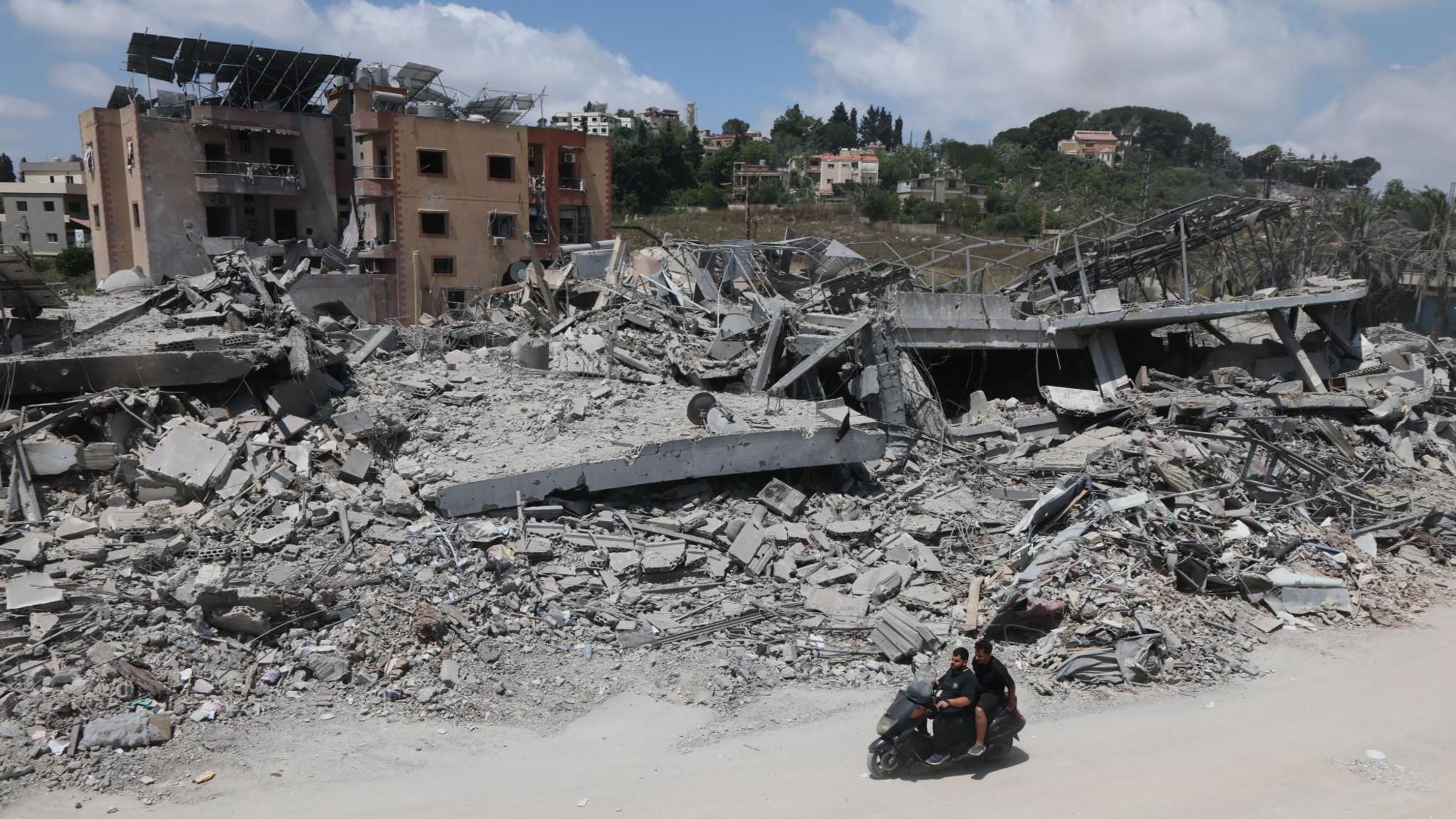
In my city in the north the Israeli and American airstrikes mainly hit military targets, not homes and civilian infrastructure, he summarizes the past five weeks of severe conflict, paused by a two-week truce, which is set to end soon.
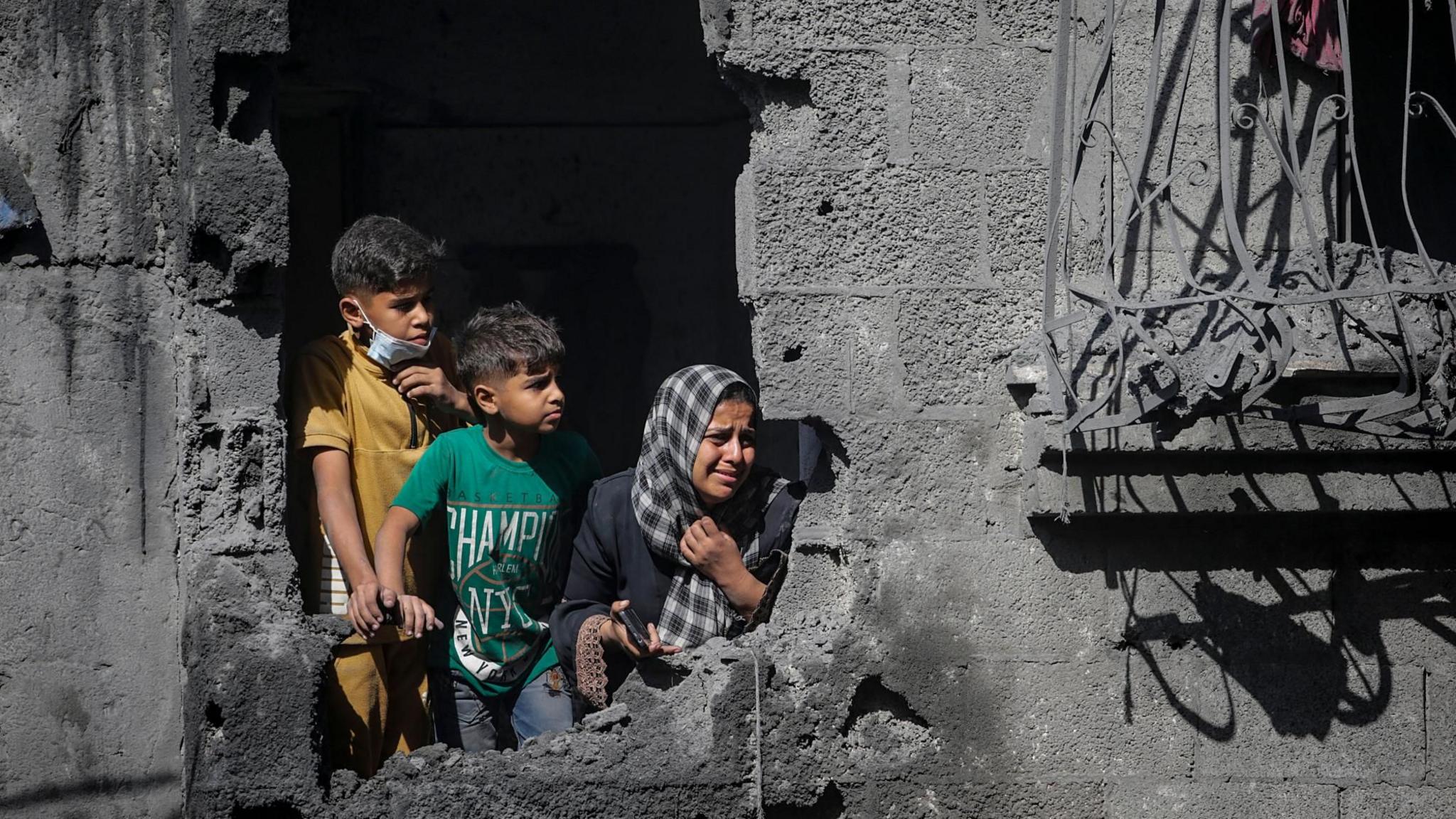
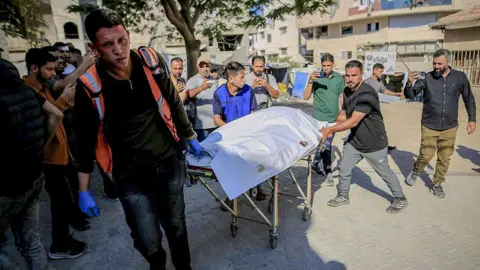
I'm a bit scared, admitted an elderly woman in a headscarf, her face wrinkling into worry as she spoke mournfully of the suffering of young Iranians from the shelling that has impacted crowded residential neighborhoods, alongside threats from Iran's Basij paramilitary forces.
It's all in God's hands, she murmured, lifting her eyes toward the heavens.
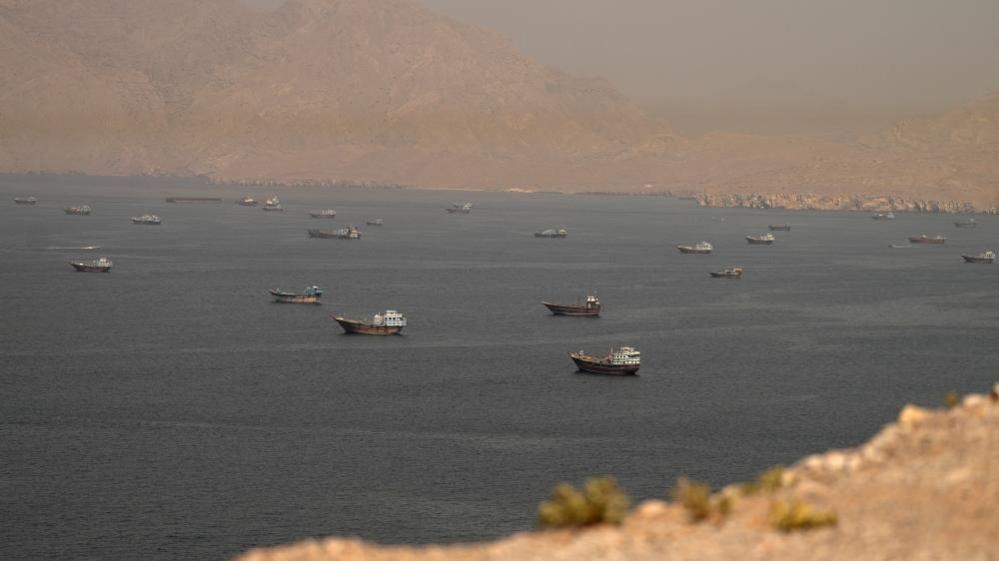
Others echoed a stronger sense of urgency and skepticism. Of course, the ceasefire won't hold, declared a young woman in a bright red puffer jacket. Iran will never give up its control of the Strait of Hormuz. Her statement reflects a deep-rooted apprehension regarding potential future conflicts.
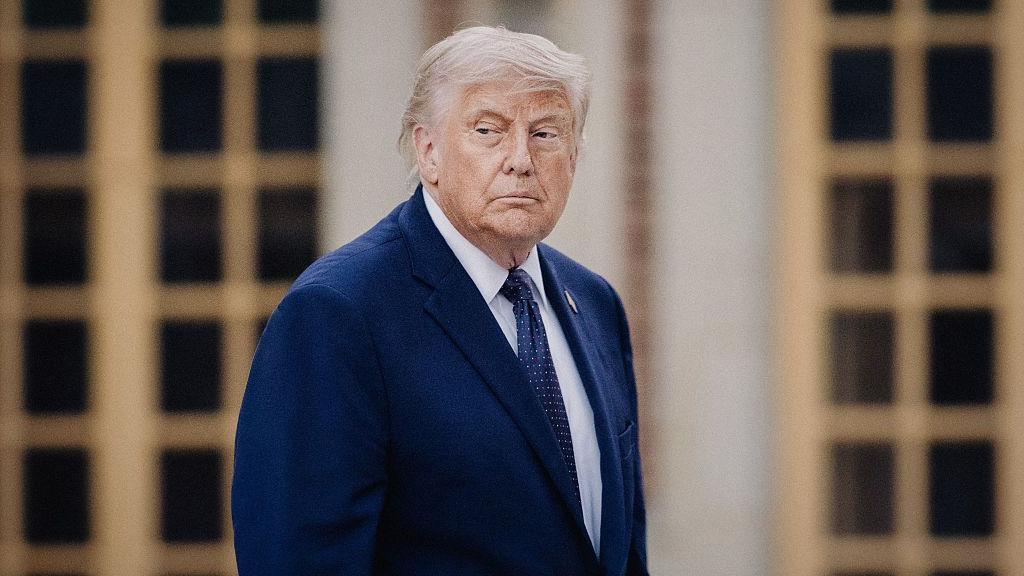
As we made the long drive to Tehran—now the only way to reach the capital due to closed airports—another man interjected with a warning, Trump will never leave Iran alone; he wants to swallow us!
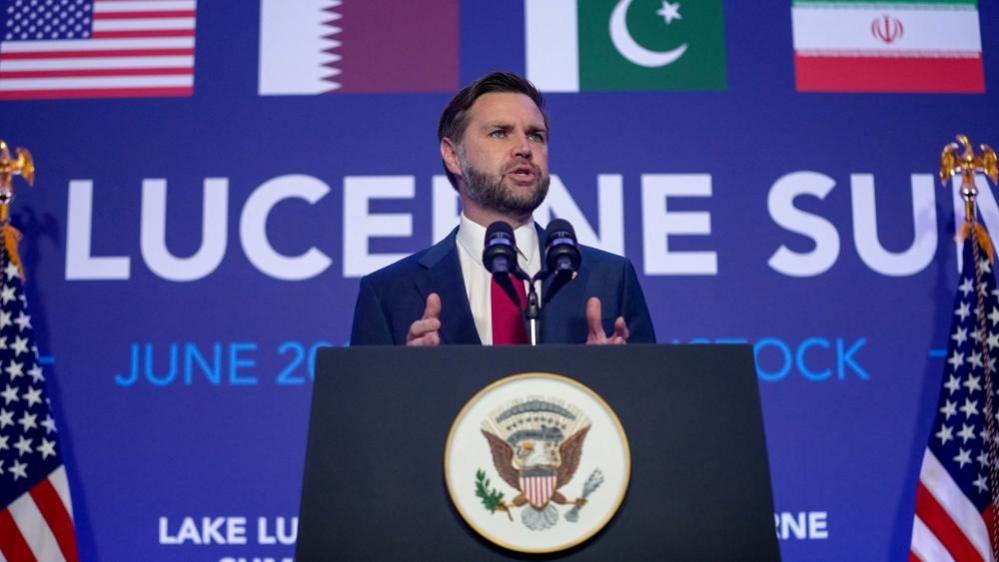
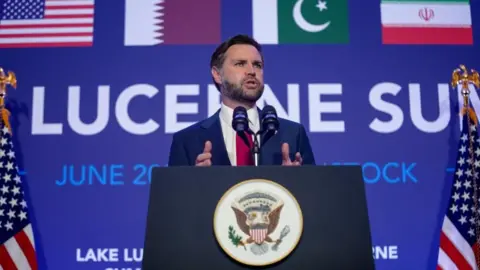
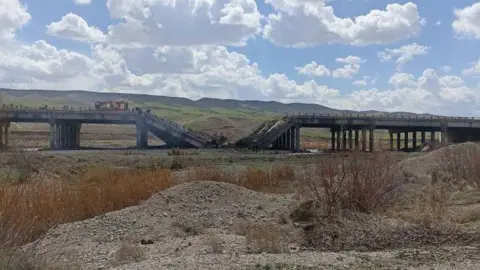
Interestingly, recent remarks from President Trump, who threatened to obliterate all bridges in Iran, have compounded feelings of unease across the region. The ongoing diplomatic efforts led by a US delegation are crucial in determining whether lasting peace can emerge from this tumultuous background.
On Wednesday, Iran's foreign ministry spokesman outlined Tehran's demands: a complete end to war, the lifting of sanctions, and compensation for the damages incurred due to US-Israeli attacks. The backdrop of these discussions reveals both complex desires for peace and stark realities that challenge the prospect of true reconciliation.
The people of Iran continue to navigate this treacherous landscape, balancing hopes for an end to strife and skepticism regarding their government and international relations. Diplomats and everyday citizens alike watch with bated breath as the next steps unfold, each step dictated by complex negotiations and fragile ceasefires.