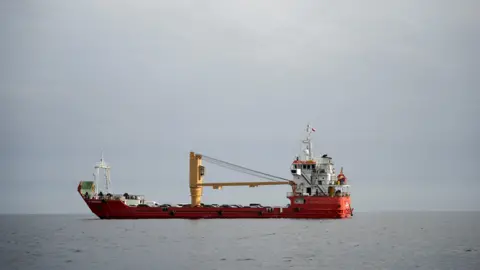
China has called the US naval blockade of Iranian ports irresponsible and dangerous. Beijing's foreign ministry stated that the action would undermine the already fragile ceasefire agreement and put the safety of ships traveling through the Strait of Hormuz at risk, a vital waterway that Iran has effectively closed in response to US-Israeli military actions.
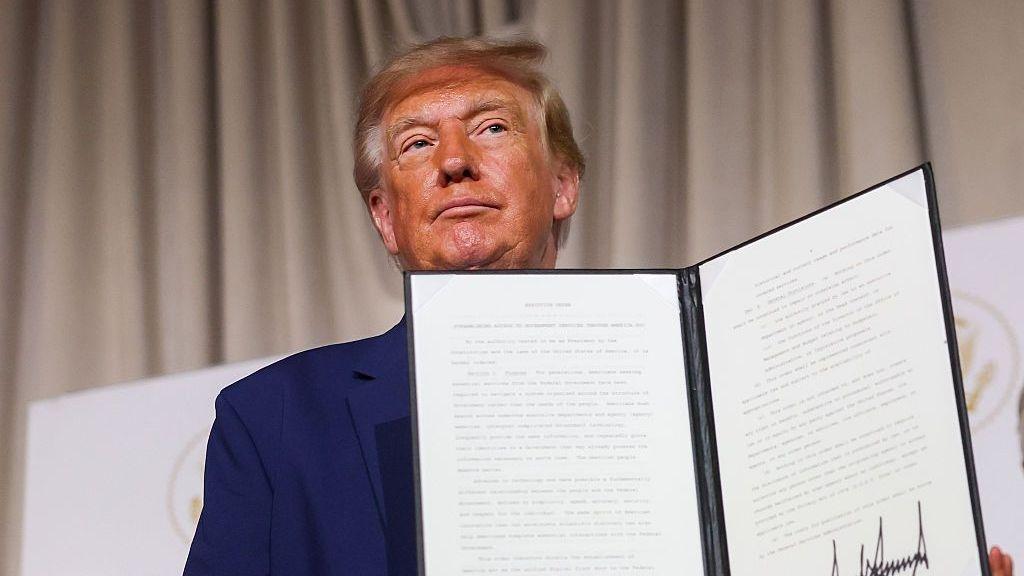
The blockade began on Monday, coinciding with a breakdown of peace talks between the US and Iran in Pakistan. US President Donald Trump framed the blockade as a means to compel Iran to relinquish its nuclear aspirations, while analysts contend it also targets China, the leading purchaser of Iranian oil, urging them to persuade Tehran to reopen the strait.
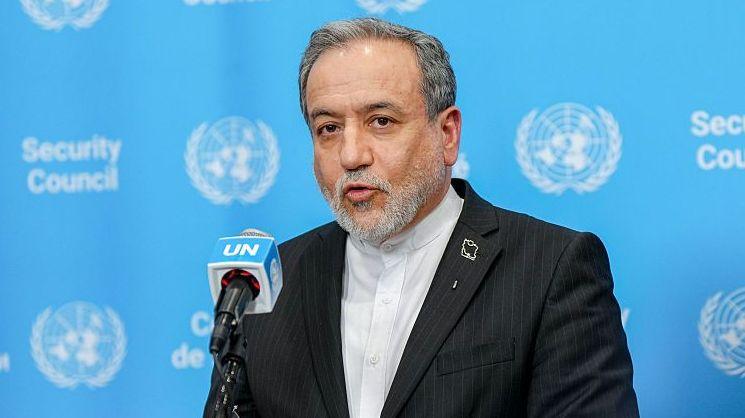
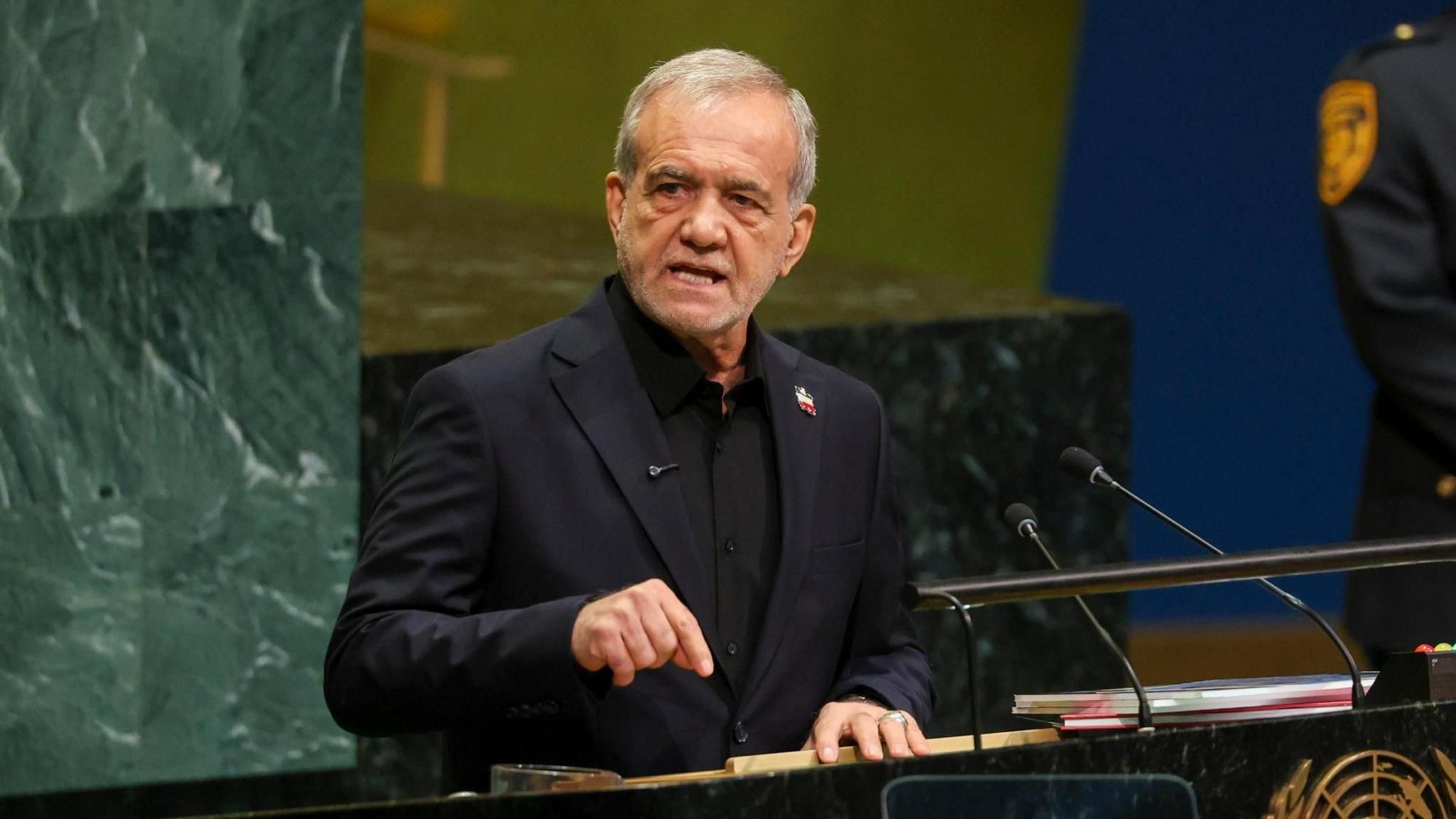
Iranian officials have condemned the blockade, with Tehran's ambassador to the UN labeling it a grave violation of sovereignty. Reports indicate that, thus far, only Chinese vessels have been navigating through the strait, although it remains unclear whether they have incurred any tolls for doing so.
The blockade threatens to disrupt China's vital oil supplies, potentially leading to severe repercussions for its economy. China believes that only by achieving a comprehensive ceasefire and ending the war can we fundamentally create conditions for easing the situation in the strait, commented a foreign ministry spokesman.
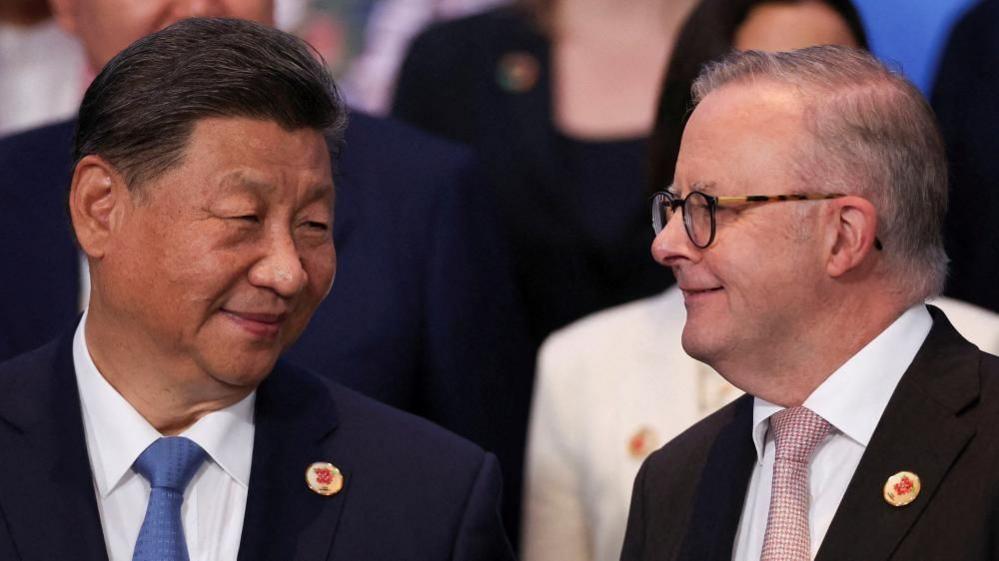
Beijing has urged all parties involved to adhere to the ceasefire arrangements and facilitate dialogue to restore normal traffic through this key maritime route. During a recent news conference, China denied any plans to supply Iran with air defense systems, which would escalate the conflict further, especially amidst threats of increased tariffs from the US in retaliation for perceived military support to Iran.
This escalating situation underscores the fragile nature of the ceasefire established on April 8, with ongoing tensions leading to military posturing from both the US and Iran over control of the strategic Strait of Hormuz, vital for international oil shipments.