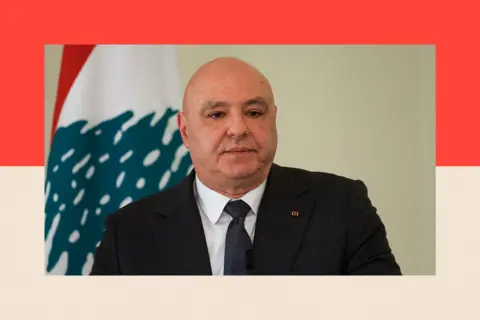
With Lebanon again engulfed by war, the delicate balance of peace is threatened. A recent meeting at the Baabda Palace with President Joseph Aoun, an optimist at heart, revealed the challenges he faces in disarming Hezbollah, a prominent militia and political party supported by Iran.
The fragile ceasefire following the conflict between Israel and Hezbollah has been punctuated by increased violence, with Israel conducting frequent airstrikes in what it claims is a response to militia threats. Daily life in Lebanon remains marked by fear and uncertainty, as many locals are reminded of the persistent conflict in their surroundings.
Hezbollah's supporters view the group as a guardian against Israeli aggression, while its opponents argue that the organization prioritizes Iranian interests at Lebanon's expense. Tensions escalated following a series of strikes in February that killed Iran's supreme leader, prompting Hezbollah to retaliate, escalating military clashes with Israeli forces.
Despite President Aoun's propositions for diplomacy with Israel being largely ignored, discussions are expected to bolster peace negotiations. However, significant obstacles remain: Lebanese authorities struggle with Hezbollah's grip on power and their capacity to enforce disarmament, a move Hezbollah's leadership staunchly opposes.
Aoun champions a strategy of state monopoly on arms as part of the broader aim to reconcile Lebanon's fragmented society and end the cycle of violence. However, given Hezbollah's influential role within Lebanese society, its potential disarmament remains an elusive goal.
The unfolding situation fuels an ongoing existential crisis in Lebanon, with millions displaced and sectarian tensions rising. As Israel intensifies military operations under the guise of establishing secure borders, Hezbollah's narrative of necessary armed resistance appears as potent as ever.
As the crisis deepens, the hopes for a peaceful resolution are increasingly precarious, leading many Lebanese to reflect on the sustainability of peace amidst structural divisions and international pressures.