Myanmar has denied committing genocide against the Rohingya people, asserting that The Gambia has not provided sufficient proof, as it began its defense at the UN's highest court.
Ko Ko Hlaing, a representative of the Myanmar government, stated before the judges at the International Court of Justice (ICJ) that the allegations were unsubstantiated.
This week, The Gambia's foreign minister, Dawda Jallow, told the court that Myanmar aimed to eliminate the minority Muslim population through its alleged use of genocidal policies.
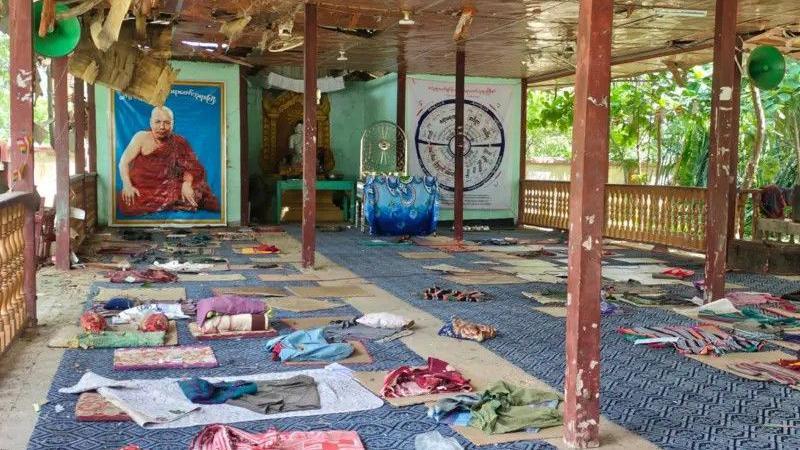
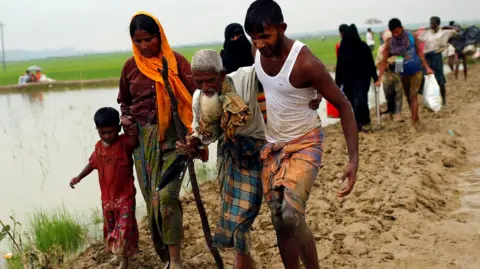
Since a military crackdown in 2017, thousands of Rohingya have died, and over 700,000 fled to neighboring Bangladesh.
A UN report issued subsequently called for investigations into high-ranking military figures for genocide and crimes against humanity related to the Rohingya crisis.
Myanmar, under military control since the 2021 coup, rejected the findings and maintained that its military operations targeted insurgents and militants.
In his defense, Hlaing emphasized that Myanmar was justified in conducting military actions to counter-terrorism threats, asserting, These attacks warranted the clearance operations against what was perceived as threats from terrorist groups in northern Rakhine state.
The Gambia brought the case to the ICJ, driven by a sense of duty stemming from its own military government experience. It emphasizes the decades of persecution suffered by the Rohingya, claiming the military's actions were part of systemic campaigns against them.
More than a million Rohingya refugees now reside in Bangladesh's crowded Cox's Bazar region, while Myanmar has pledged to facilitate repatriation of displaced persons but cited external challenges like COVID-19 affecting its efforts.
This landmark case will not only shape Myanmar's international standing but could also influence future genocide cases, especially as ICJ judges evaluate legal definitions of genocide under international law.
A final ruling from the court is anticipated by the end of 2026, which may also refine the applications of the 1948 Genocide Convention's definitions of genocide.