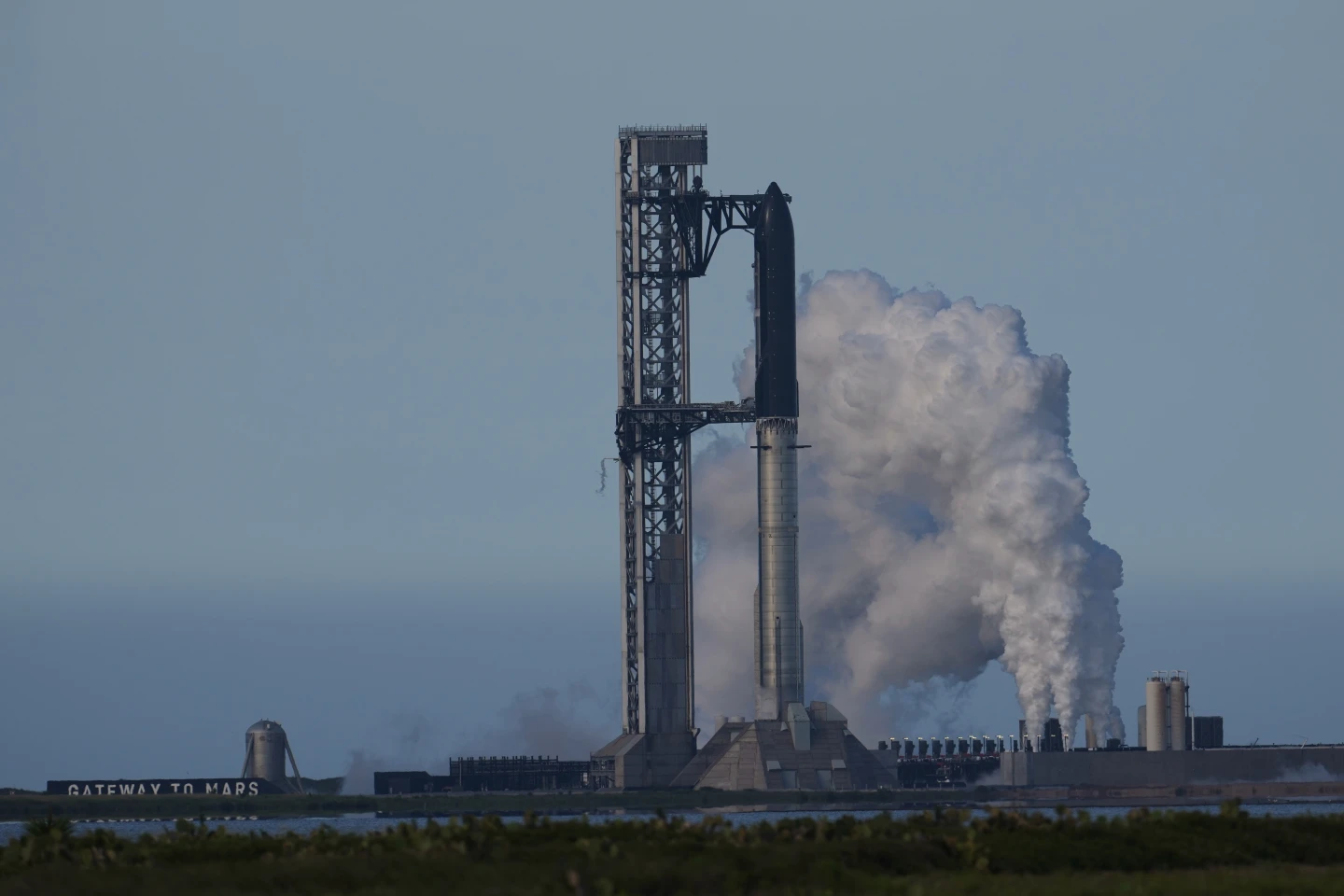
You could almost hear a sigh of relief from Nasa on Wednesday as its Artemis II rocket finally blasted off. There's a lot riding on this mission - the safety of its four astronauts, Nasa's reputation, and the credibility of America's claim to be leading the new global space race. There are mundane questions too: Could the onboard toilet break again? When can the crew nap? Here's what the next 24 hours should look like for Artemis II.
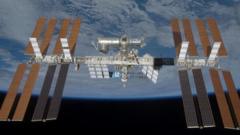
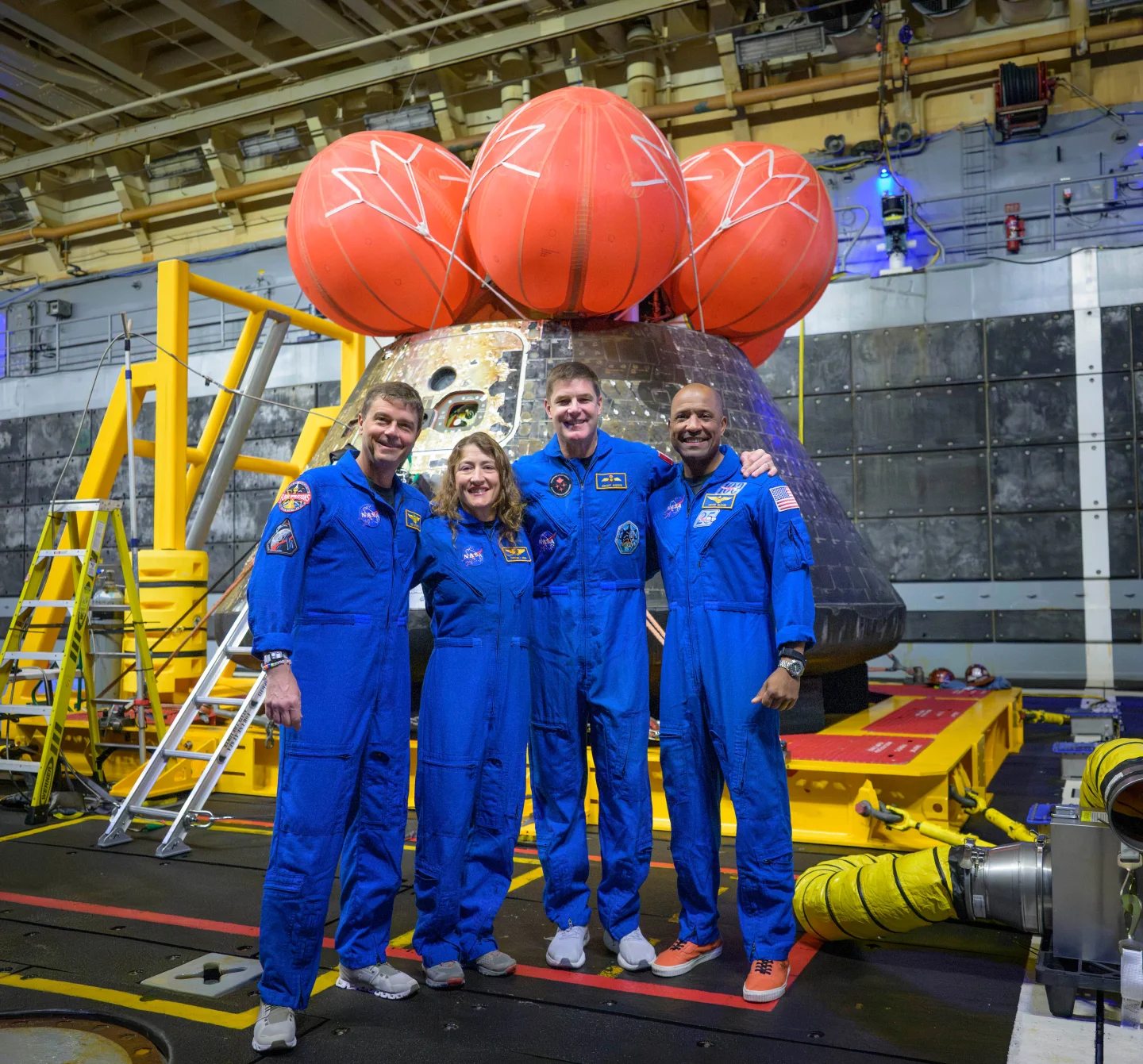
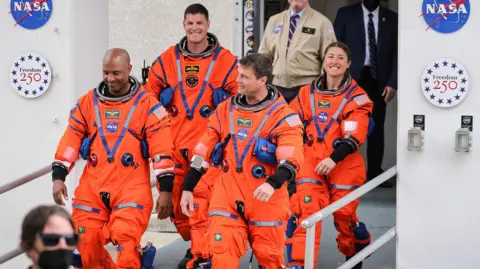
Commander Reid Wiseman, Victor Glover, Christina Koch, and Jeremy Hansen are now orbiting Earth about 42,500 miles away, assessing the Orion spacecraft. The craft's solar wings were successfully deployed after launch, providing essential power for the mission. Pilot Victor Glover is conducting extreme tests on the spacecraft to ensure it is voyage-worthy for deep space exploration.
The crew is also actively evaluating life support systems. Should an emergency arise, their specially-designed suits can keep them alive for roughly six days.
Unlike the Apollo missions, viewers can livestream a significant portion of this journey. Cameras inside the Orion display the crew at work, including their moments of downtime as they adjust to life in space. Furthermore, rigorous schedules dictate their every move, with time allocated strictly for sleep, exercise, and meals from the specially curated Artemis II menu.
As the team prepares for a vital 'trans-lunar injection' burn to propel them toward the Moon, the NASA mission command emphasizes the importance of their progress. A successful execution of this maneuver will set the crew on a trajectory around the Moon and signal a considerable step forward in America’s lunar ambitions, aiming to land humans on the lunar surface by 2028. As they continue this journey, the spotlight remains on their safety and scientific contributions during this historic return to the Moon.
Commander Reid Wiseman, Victor Glover, Christina Koch, and Jeremy Hansen are now orbiting Earth about 42,500 miles away, assessing the Orion spacecraft. The craft's solar wings were successfully deployed after launch, providing essential power for the mission. Pilot Victor Glover is conducting extreme tests on the spacecraft to ensure it is voyage-worthy for deep space exploration.
The crew is also actively evaluating life support systems. Should an emergency arise, their specially-designed suits can keep them alive for roughly six days.
Unlike the Apollo missions, viewers can livestream a significant portion of this journey. Cameras inside the Orion display the crew at work, including their moments of downtime as they adjust to life in space. Furthermore, rigorous schedules dictate their every move, with time allocated strictly for sleep, exercise, and meals from the specially curated Artemis II menu.
As the team prepares for a vital 'trans-lunar injection' burn to propel them toward the Moon, the NASA mission command emphasizes the importance of their progress. A successful execution of this maneuver will set the crew on a trajectory around the Moon and signal a considerable step forward in America’s lunar ambitions, aiming to land humans on the lunar surface by 2028. As they continue this journey, the spotlight remains on their safety and scientific contributions during this historic return to the Moon.