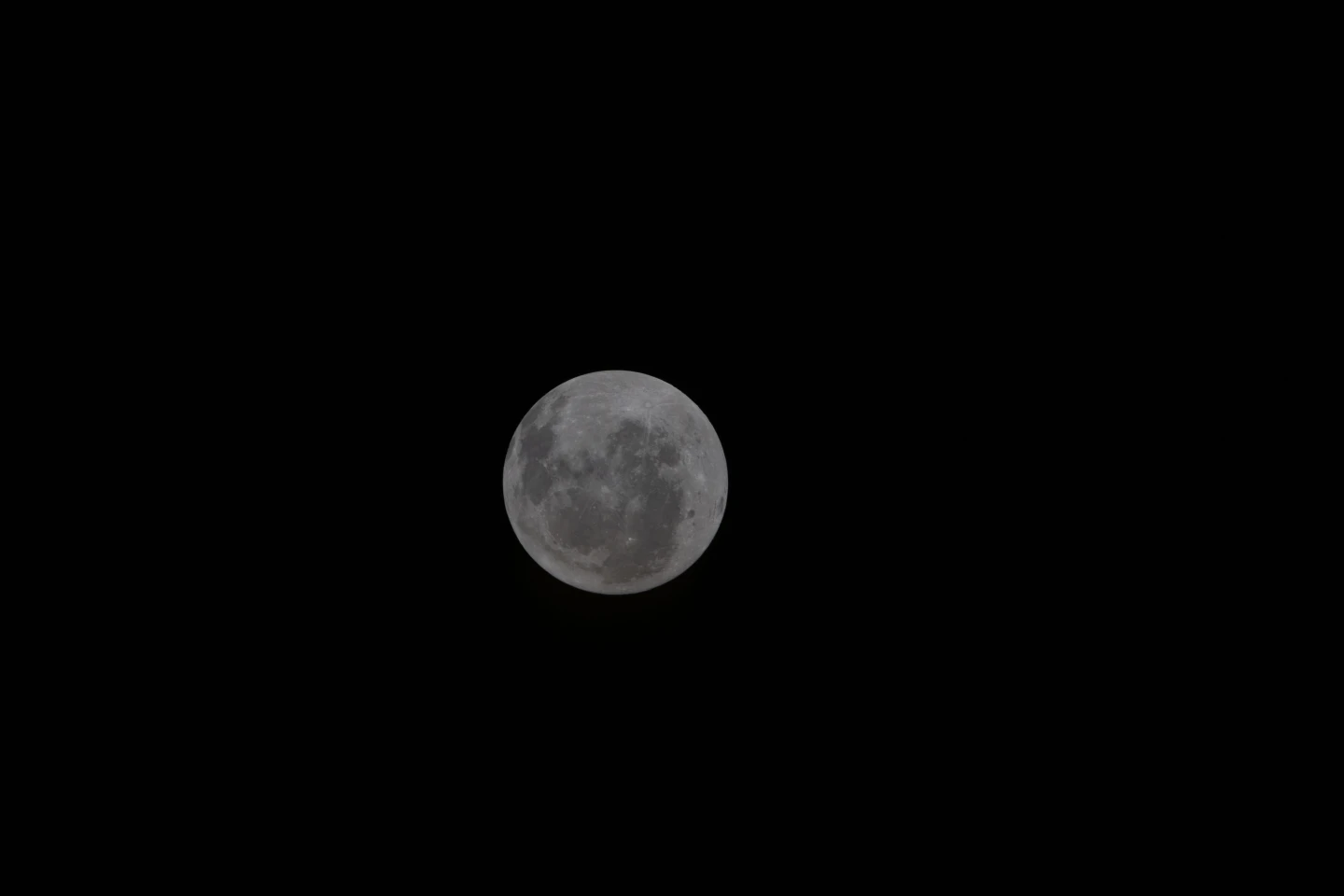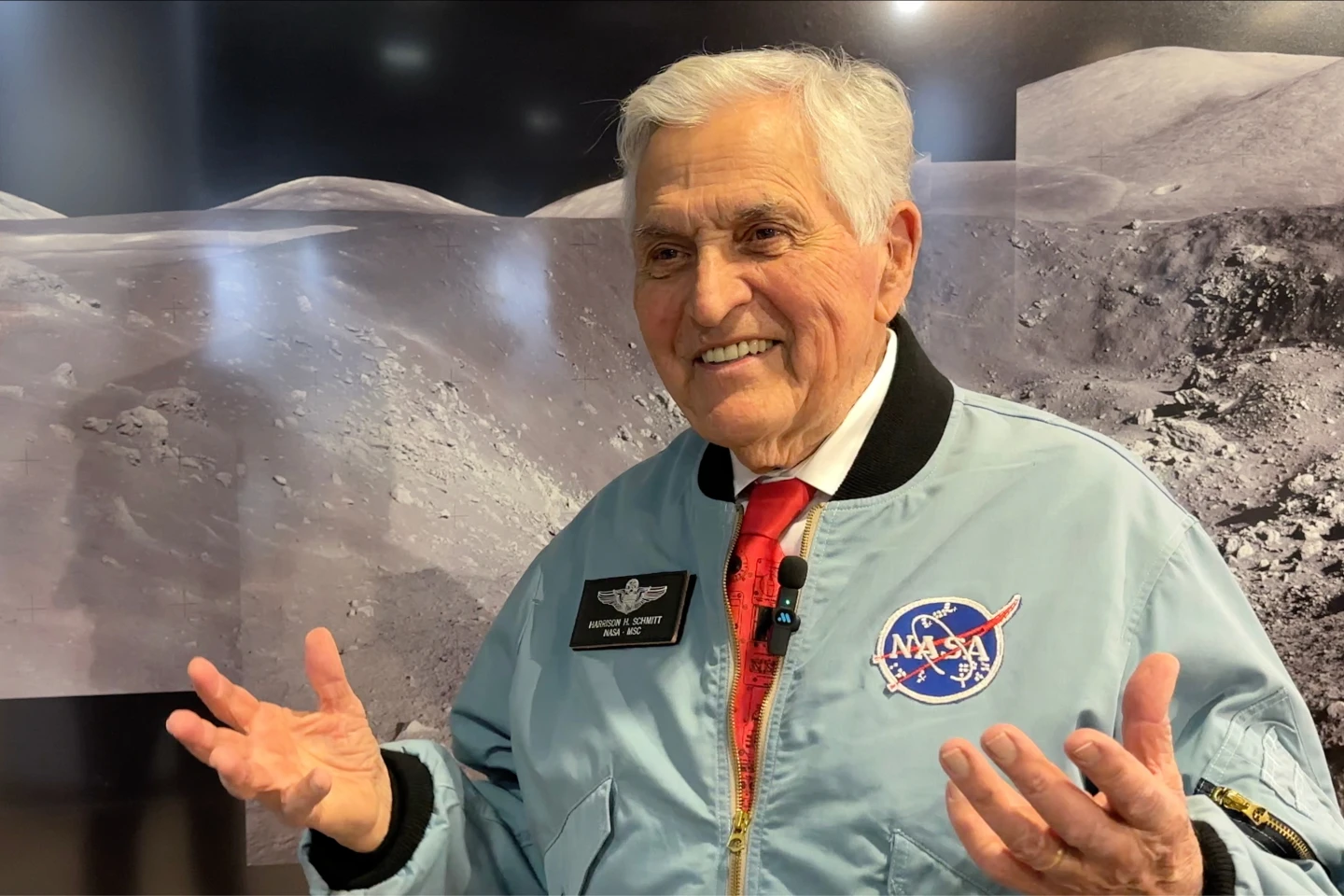
ALBUQUERQUE, N.M. — It was 1972 when astronaut Harrison 'Jack' Schmitt became a pioneer, stepping onto the moon's surface and collecting samples that would deepen our understanding of the solar system. As one of the final Apollo moonwalkers alive today, at 90 years old, Schmitt continues to advocate for future generations to further explore the lunar landscape.
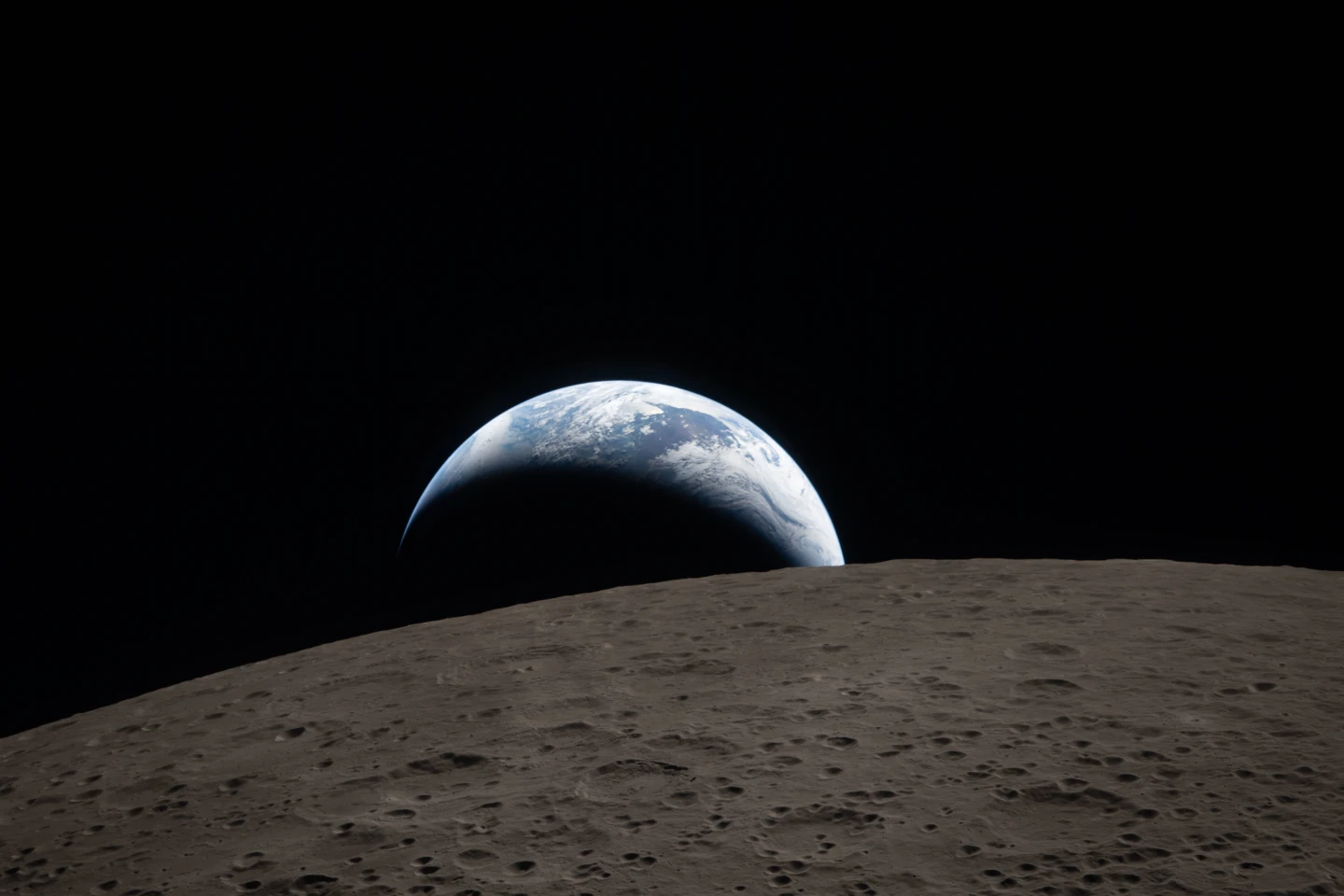
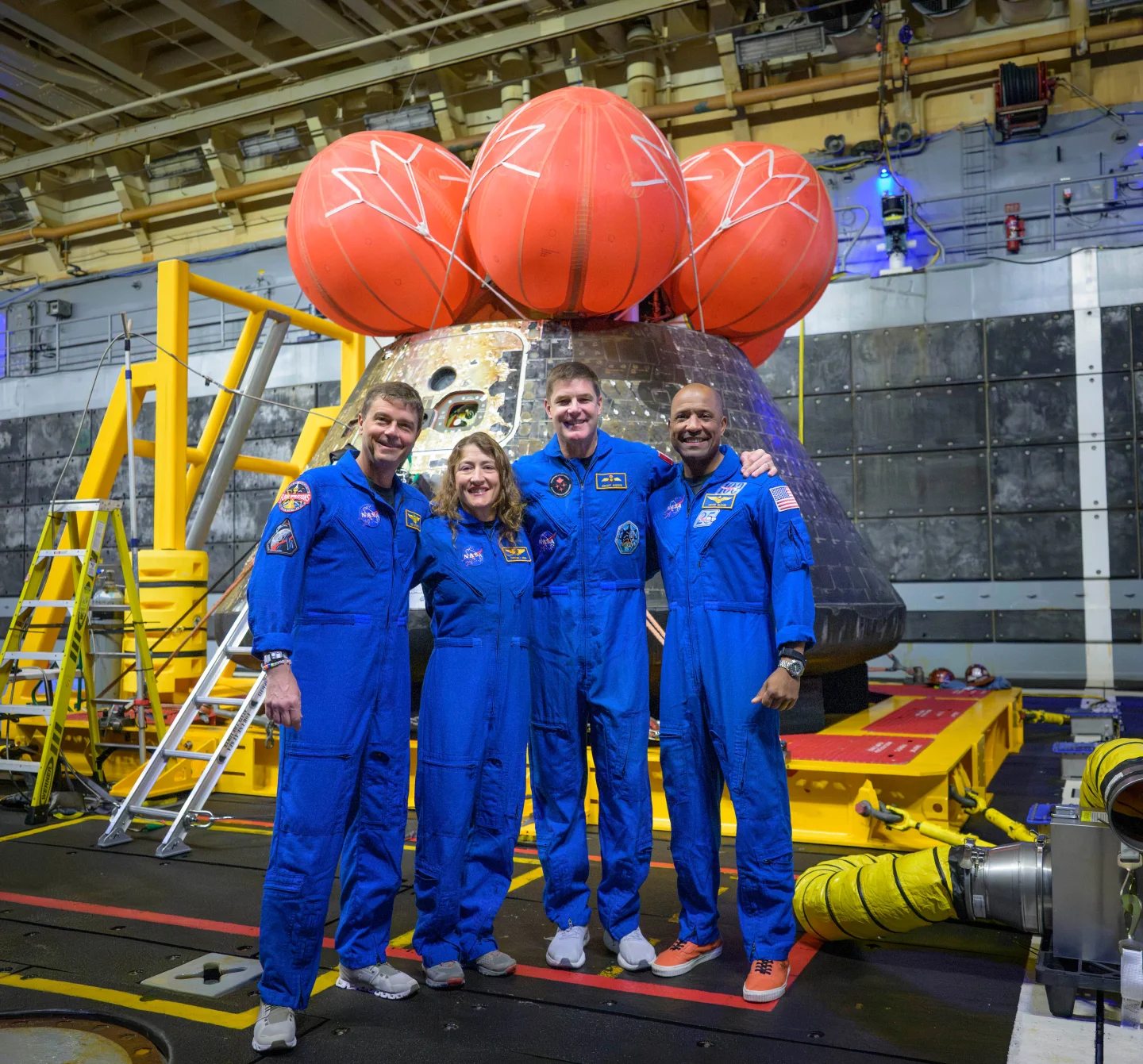
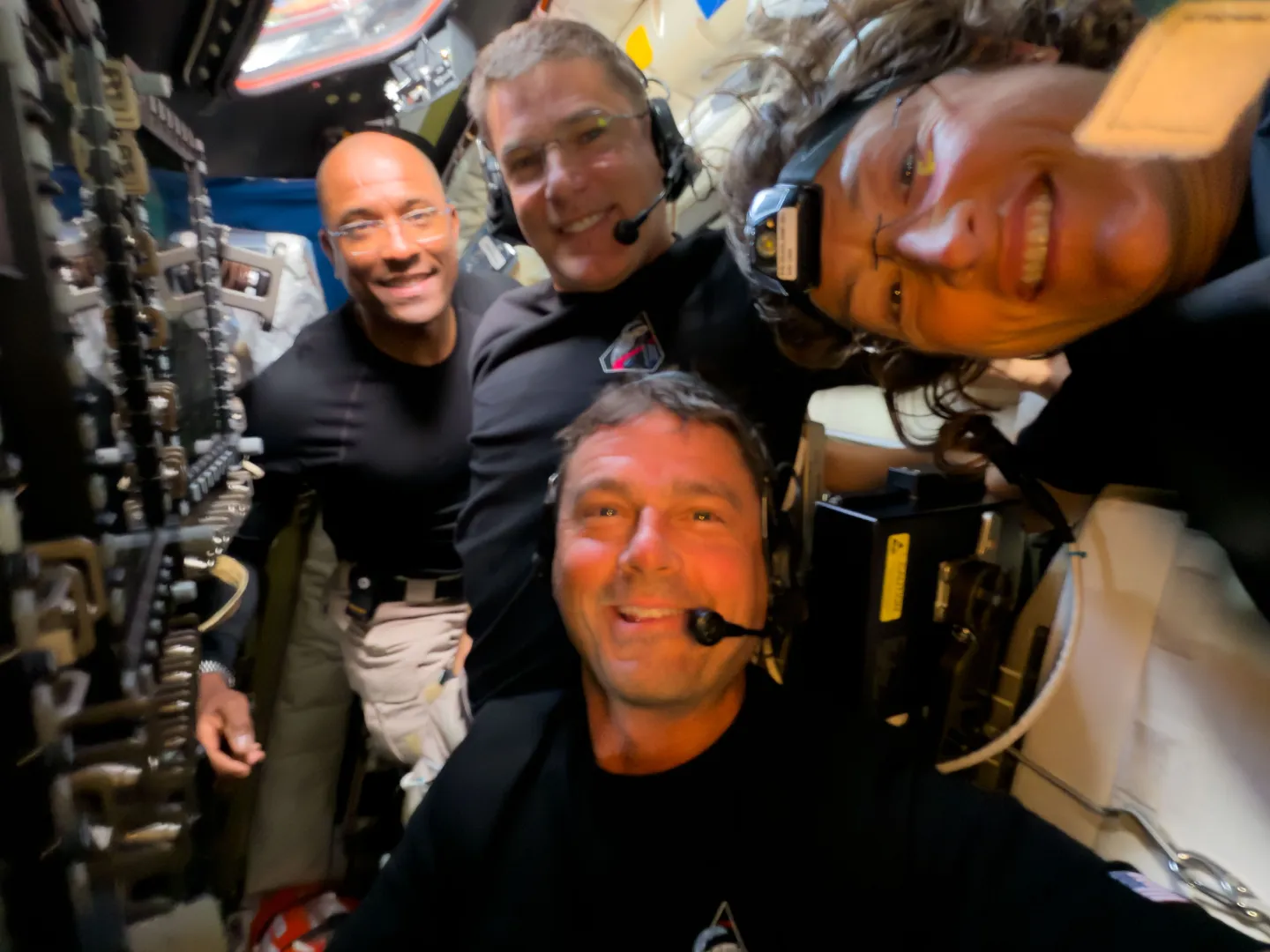
I think the next generation ought to accept this as a challenge, Schmitt expressed excitedly during his recent discussion with The Associated Press. His enthusiasm has been ignited anew with NASA's Artemis II mission, a historic leap toward lunar exploration that he hopes will invigorate interest in space.
In his interview, Schmitt elaborated on the significance of establishing a lunar base, especially as a geopolitical foothold in deep space and preparation for Mars. He emphasized that the moon could serve as a resource hub for future missions, reducing costs and allowing new generations to gain practical experience in space.
Schmitt shared insights into his role during Apollo 17, highlighting the complex geological features he studied, which continue to uncover the moon's ancient history—a chronicle of our solar system's evolution.
He expressed optimism about the moon's untapped potential for energy resources, particularly helium-3—a vital isotope needed for clean nuclear energy and advanced technologies. Schmitt acknowledged the emerging competition in lunar exploration, particularly with nations like China also eyeing these resources.
Reflecting on the physical challenges of working in low gravity, Schmitt reminisced about the ease of maneuvering on the moon's surface, yet highlighted the need for ongoing adaptation upon return to Earth.
Lastly, Schmitt considered humanity's quest for life beyond our planet, suggesting that while life may exist elsewhere, we have yet to establish concrete contact.
As he continues to champion the cause of lunar exploration, Schmitt maintains that education, particularly in STEM fields for the youth, remains crucial for future advancements in space science.