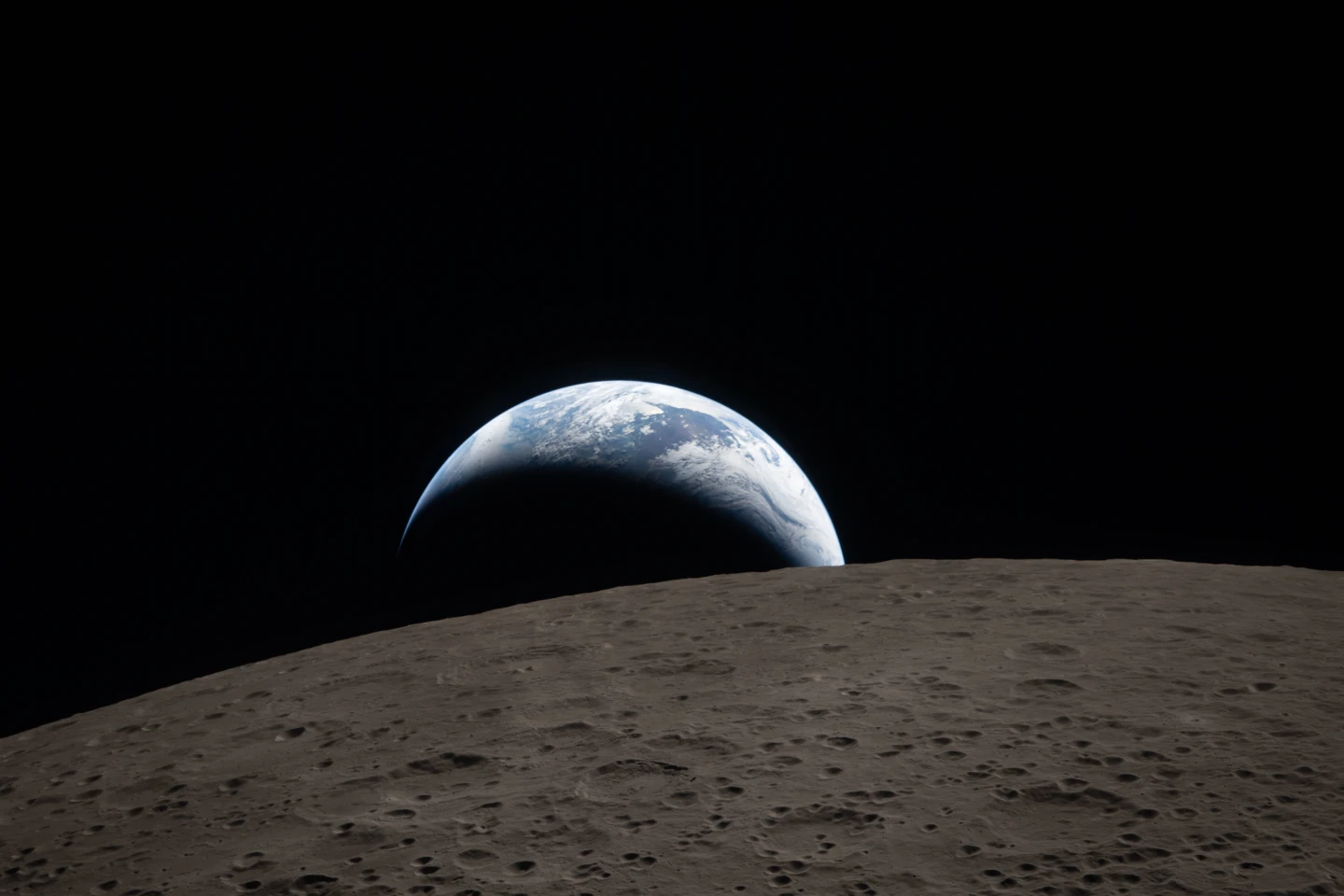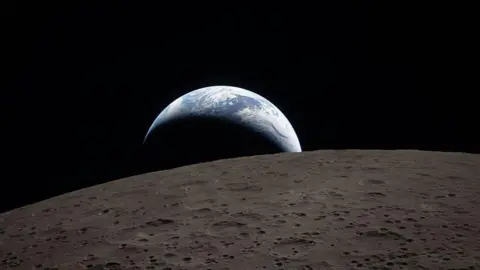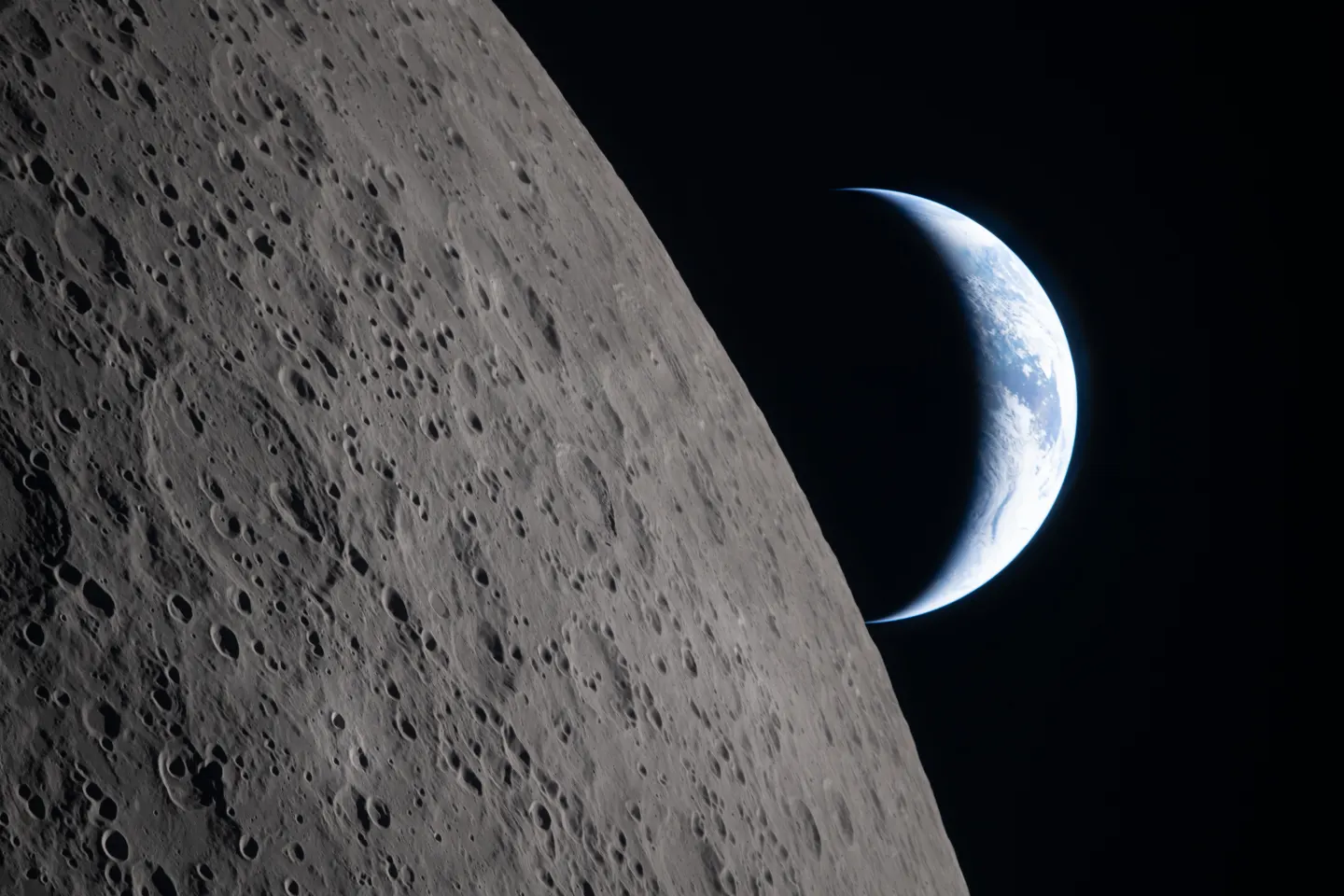
NASA has been thrilling the public with a continuous stream of spectacular pictures of the Moon and Earth from its Artemis II mission. These stunning high-definition images are becoming increasingly popular on social media, with millions liking and sharing snapshots captured from unusual angles. However, as this mission embarks on historic territory—taking four astronauts further from Earth than any humans have ventured since 1972—it sparks a debate about the uniqueness of these images. Are they significant scientific contributions, or are they merely charming travel photos?
The excitement surrounding Artemis II stems from its ambitious goals, including live-streaming the ten-day journey and regular updates from the astronauts, who are captivated by the view from their spacecraft. During their adventure, they even had to get instructions on how to clean the window, which got dirty from staring out at the Moon and Earth.
Unique to this mission, the astronauts are employing a range of cameras to capture their surroundings, including handheld devices and traditional cameras—some of which are over ten years old. While this may offer some artistic value, experts caution that there are already advanced robotic space missions that achieve comparable results. For instance, NASA's Deep Space Climate Observatory has been continuously taking images of Earth from afar since 2015.
The latest images, including one showcasing the Orientale basin, are significant not just for their beauty but also for the enhancements made possible by human observation. Chris Lintott, Professor of Astrophysics, remarked that while these images are stunning, their true scientific value is debatable, especially since robotic missions prior to Artemis have already supplied detailed mapping of lunar terrain.
As the competition in space exploration intensifies, with countries like China also making strides in lunar exploration, NASA's ability to create captivating images and narratives around their missions is crucial. This is not just a scientific journey; it’s intertwined with political motivations, funding considerations, and public interest.
Ultimately, while we can relish the astronauts’ beautiful images, the scientific community continues to scrutinize the true implications of their mission. As we enjoy their journey, one question prevails: what new knowledge will Artemis II really uncover?
The excitement surrounding Artemis II stems from its ambitious goals, including live-streaming the ten-day journey and regular updates from the astronauts, who are captivated by the view from their spacecraft. During their adventure, they even had to get instructions on how to clean the window, which got dirty from staring out at the Moon and Earth.
Unique to this mission, the astronauts are employing a range of cameras to capture their surroundings, including handheld devices and traditional cameras—some of which are over ten years old. While this may offer some artistic value, experts caution that there are already advanced robotic space missions that achieve comparable results. For instance, NASA's Deep Space Climate Observatory has been continuously taking images of Earth from afar since 2015.
The latest images, including one showcasing the Orientale basin, are significant not just for their beauty but also for the enhancements made possible by human observation. Chris Lintott, Professor of Astrophysics, remarked that while these images are stunning, their true scientific value is debatable, especially since robotic missions prior to Artemis have already supplied detailed mapping of lunar terrain.
As the competition in space exploration intensifies, with countries like China also making strides in lunar exploration, NASA's ability to create captivating images and narratives around their missions is crucial. This is not just a scientific journey; it’s intertwined with political motivations, funding considerations, and public interest.
Ultimately, while we can relish the astronauts’ beautiful images, the scientific community continues to scrutinize the true implications of their mission. As we enjoy their journey, one question prevails: what new knowledge will Artemis II really uncover?