In brief
NASA's Artemis II mission marks humanity's return to lunar exploration after over 50 years, featuring a diverse crew and collaborative efforts with SpaceX and Blue Origin. The Artemis program, while inspired by the Apollo missions, strives for a more inclusive approach and aims to establish a sustainable human presence on the Moon, laying the groundwork for future Mars exploration.
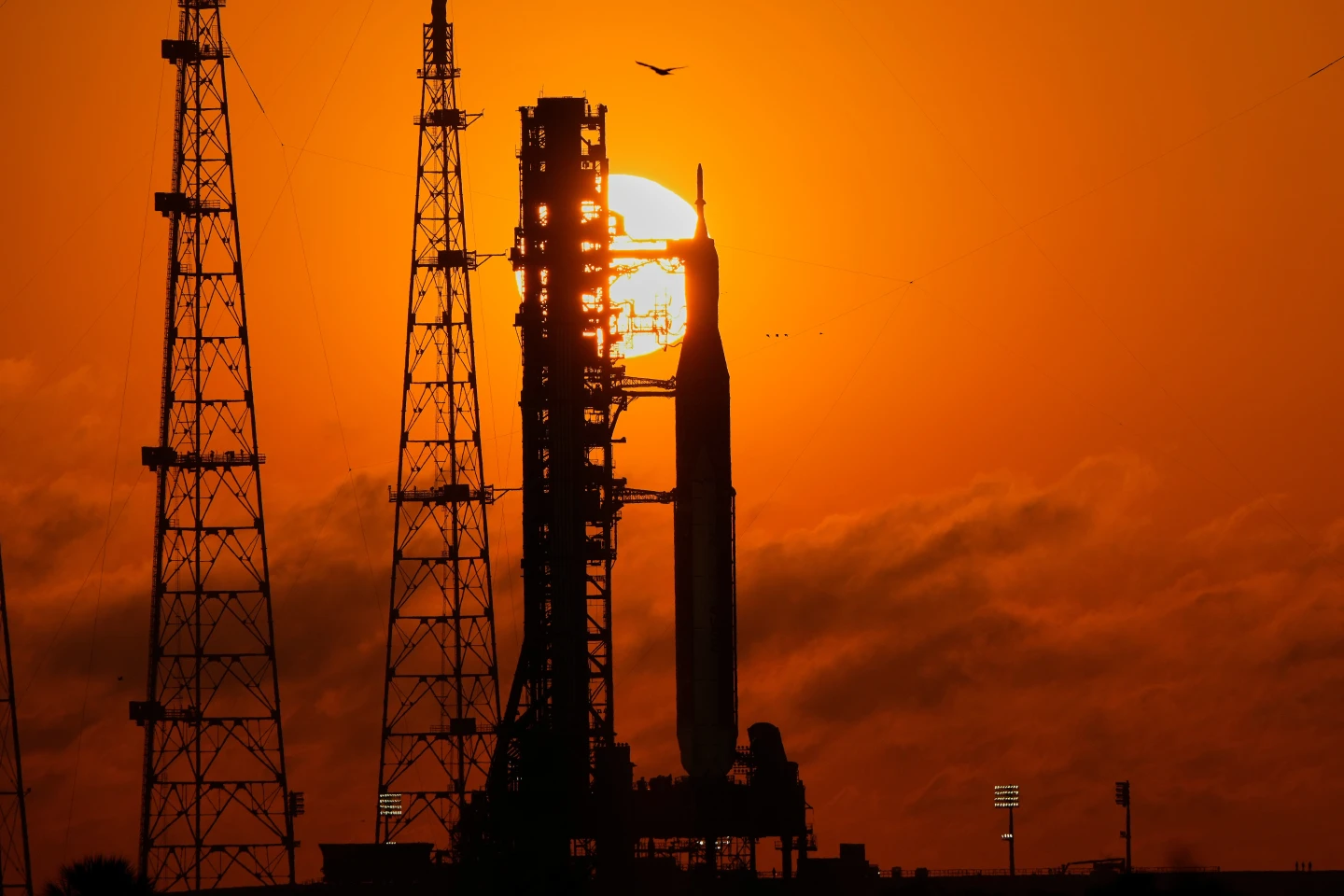
CAPE CANAVERAL, Fla. — NASA stands on the threshold of a significant milestone with the Artemis II mission, set to be humanity's first journey back to the Moon in over half a century. As four astronauts prepare for launch, comparisons with the historic Apollo missions are unavoidable. The Artemis program, however, distinguishes itself with a more diverse crew, including women and individuals from various backgrounds, reflecting a commitment to inclusivity.
The upcoming mission involves orbiting the Moon rather than landing, in a path reminiscent of Apollo’s early explorations. “We recognize that the Artemis program is not just a continuation of Apollo — it’s a significant evolution,” said NASA astronaut Christina Koch, part of the Artemis II crew.
Progress and Challenges
In stark contrast to the rapid timeline of the Apollo missions, which saw astronauts going to the Moon within eight years of the first human in space, Artemis has faced delays stemming from indecision over whether to prioritize lunar or Martian exploration. NASA’s Space Launch System (SLS) has only conducted one test flight.
This slower pace prompted NASA administrator Jared Isaacman to revise the Artemis timeline, introducing an interim mission between Artemis II and the first Moon landing. With a renewed focus on collaboration, NASA is working closely with private companies like SpaceX and Blue Origin to develop lunar landers and ensure the success of the Artemis program.
Political Rivalries
The contemporary geopolitical landscape adds another layer of urgency, as NASA faces competition from China, which is ambitiously striving to land astronauts on the Moon by 2030. This resurgence of lunar exploration has intensified the stakes, with NASA aiming to establish a human presence at the Moon’s south pole, an area believed to hold essential resources.
Lunar Aspirations
The mission architecture of Artemis is complex, prioritizing safety and scientific advancement over simple visibility. Plans for Artemis III, expected next year, suggest further preparation without an immediate lunar landing. NASA is keen not just on landing again but on establishing sustained human presence on the Moon, a foundation for future Mars missions.
NASA's commitment extends beyond mere exploration. “We’re not simply going back to the Moon; we’re building the capabilities to create a sustainable lunar presence for future operations,” emphasized mission leaders.
With diverse astronauts leading the way and private partnerships bolstering NASA's efforts, the Artemis II mission represents a determined leap towards a shared vision of peaceful and productive international exploration efforts in space.