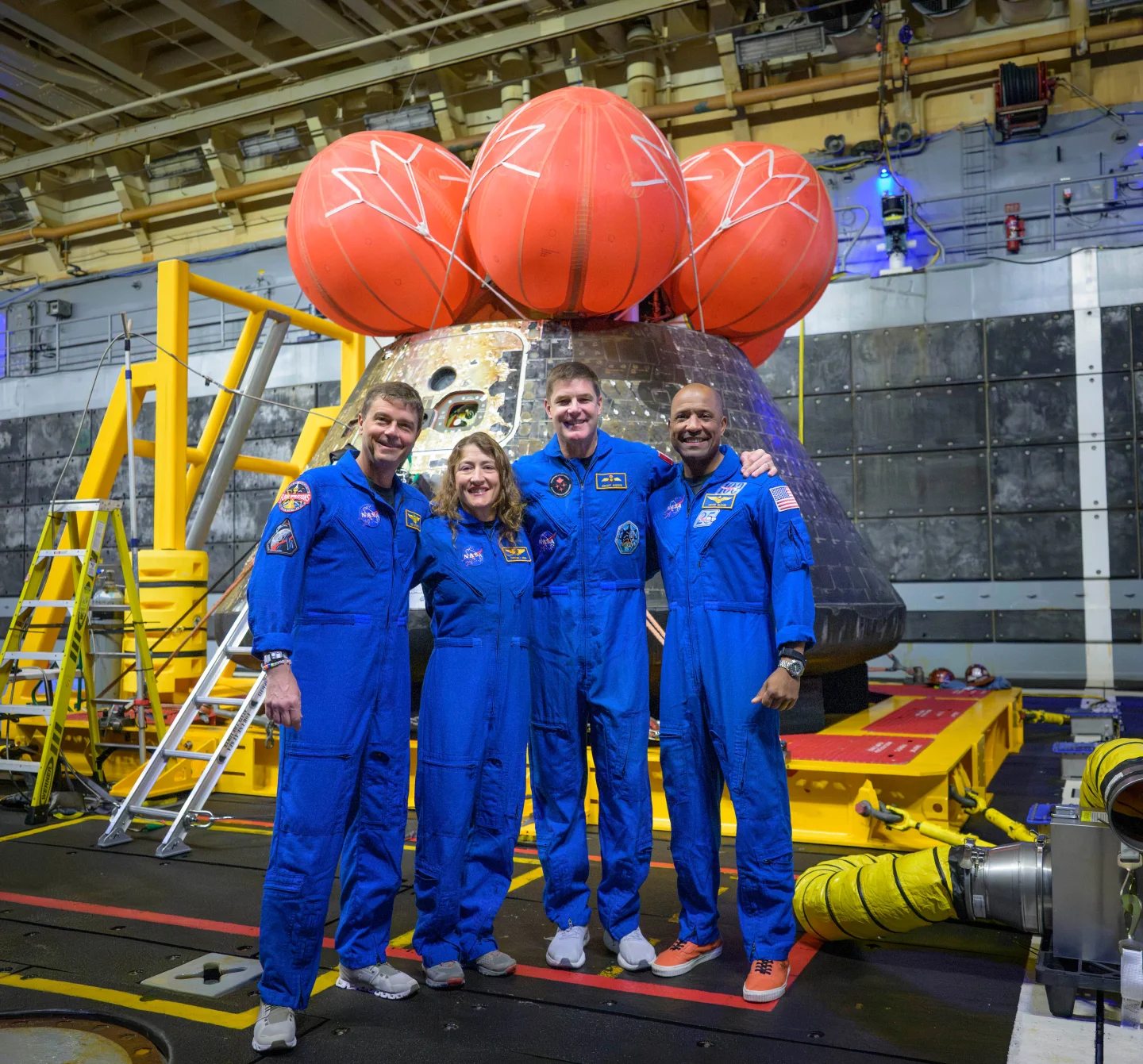
NASA's Artemis II mission has passed every major test since its launch on April 1, with its rocket, spacecraft, and crew performing better than engineers had dared to hope for.
The mission's first six days have demonstrated that the Orion capsule operates as designed with humans aboard for the first time—an important milestone that no simulator could replicate.
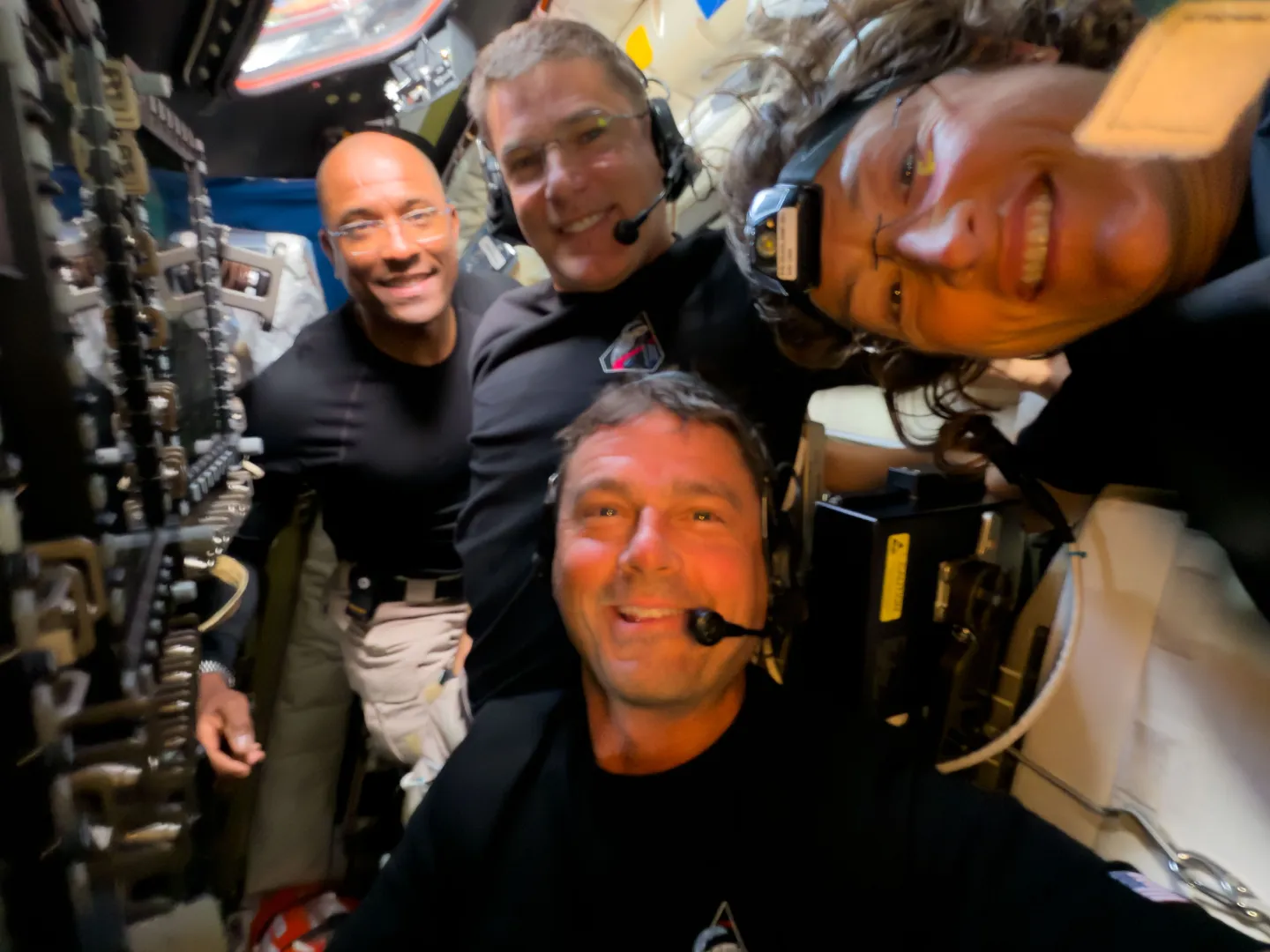
Perhaps its greatest achievement lies in the positive energy generated by the Artemis crew, inspiring hope and optimism at a time when the world craves it.
However, the overarching question remains—can we realistically achieve a Moon landing by 2028, as both NASA and President Trump envision?
What Artemis II Has Taught Us So Far
A crucial lesson emerged shortly after NASA's Space Launch System (SLS) arrived at Kennedy Space Centre. After facing setbacks from two scrubbed launches, NASA Administrator Jared Isaacman emphasized the need for a more frequent launch schedule.
He stated that treating each rocket like a work of art hampered progress, urging the agency to rethink its approach.
The agency's acknowledgment that repeating the same lessons every three years was not sustainable sets the tone for the mission's subsequent success. With that ambition in mind, how has Artemis II performed so far?
In short, it has surpassed even optimistic expectations.
A Rocket That Did the Job
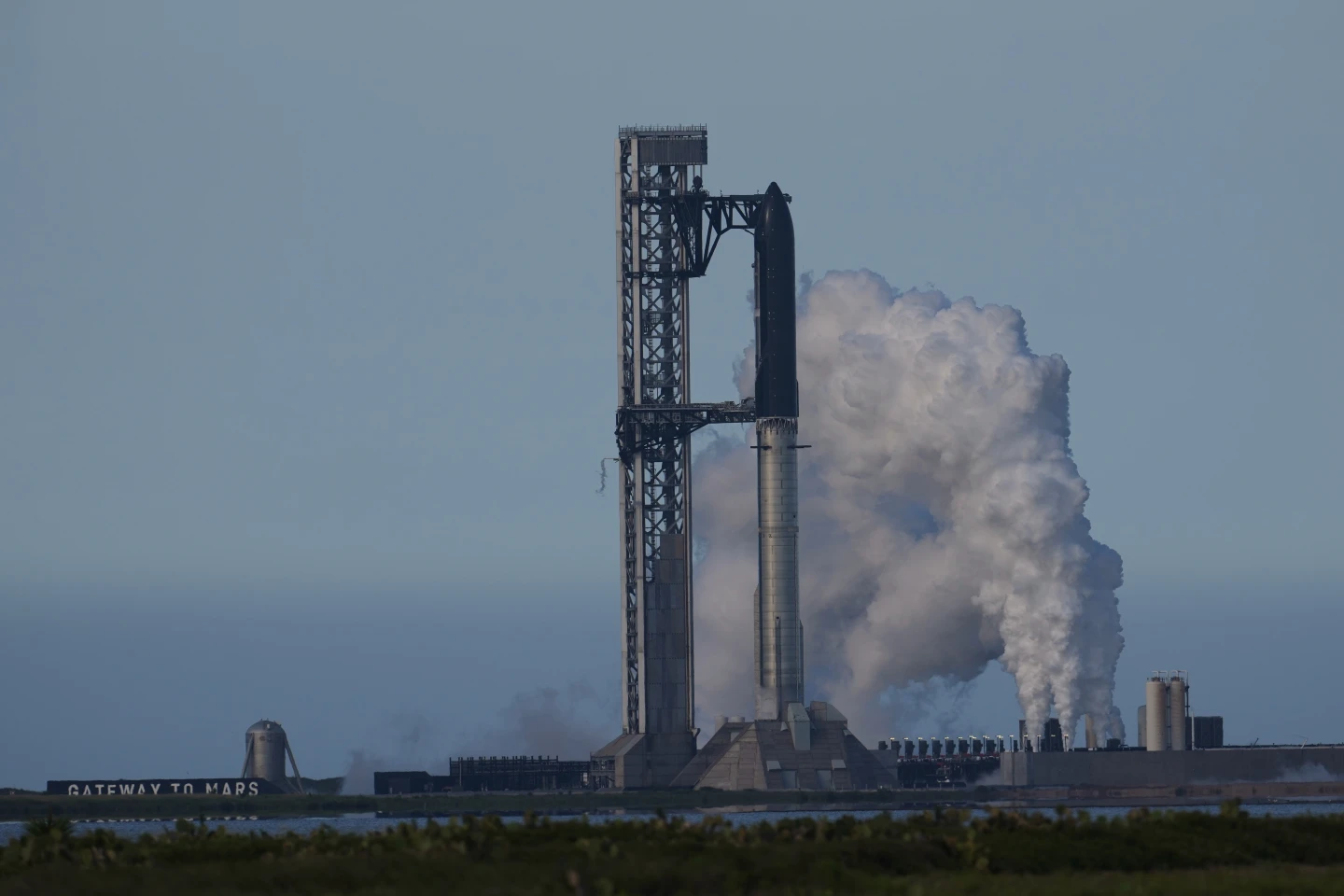
The SLS produced an impressive 8.8 million pounds of thrust at launch and performed to plan: maximum dynamic pressure, main engine cut-off, and booster separation were all successfully executed. Two planned course corrections were skipped due to the mission's accurate trajectory, underscoring the effectiveness of the initial launch.
A day after launch, the Orion capsule executed its critical translunar injection burn flawlessly, sending it on a path toward the Moon.
Humans in the Machine
The primary aim of this mission is to understand human interaction with the spacecraft. Issues, including toilet malfunctions and a water dispenser problem, were brought to light. These complications highlight the necessity of evaluating how onboard systems accommodate human needs alongside technology.
Nonetheless, the engineers overseeing Orion's performance are building a case for its safety for future lunar landings.
Great Science or NASA Hype?
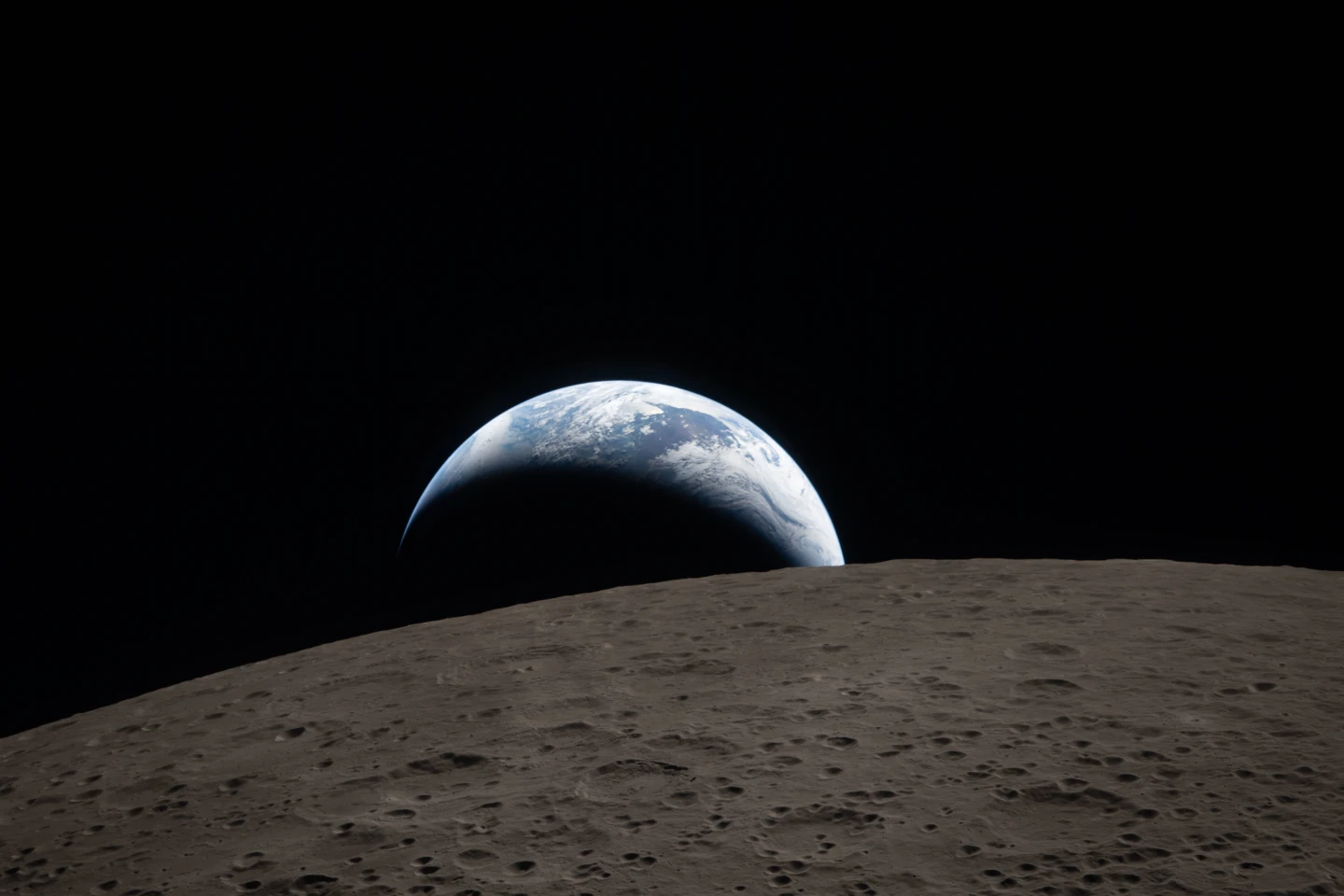
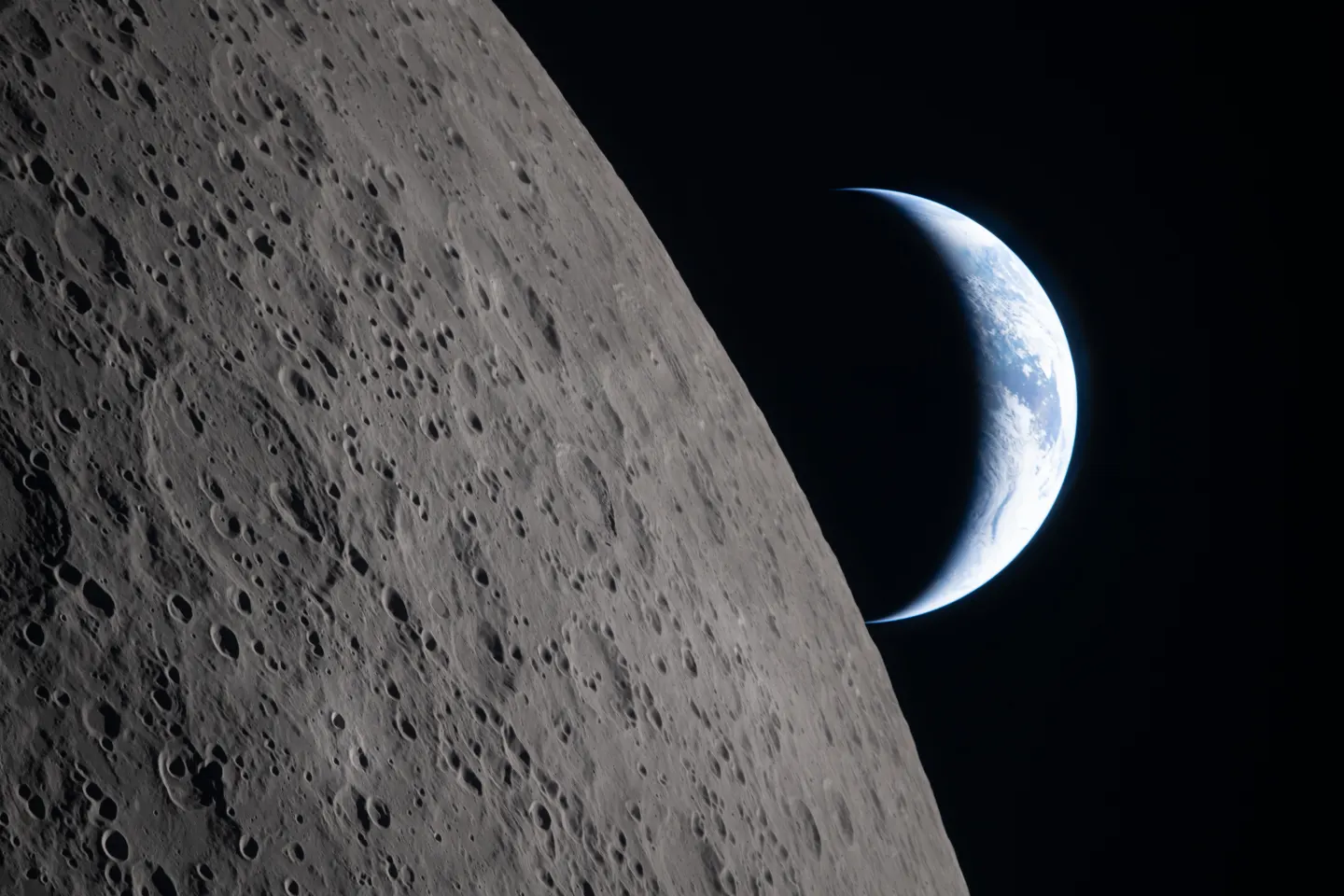
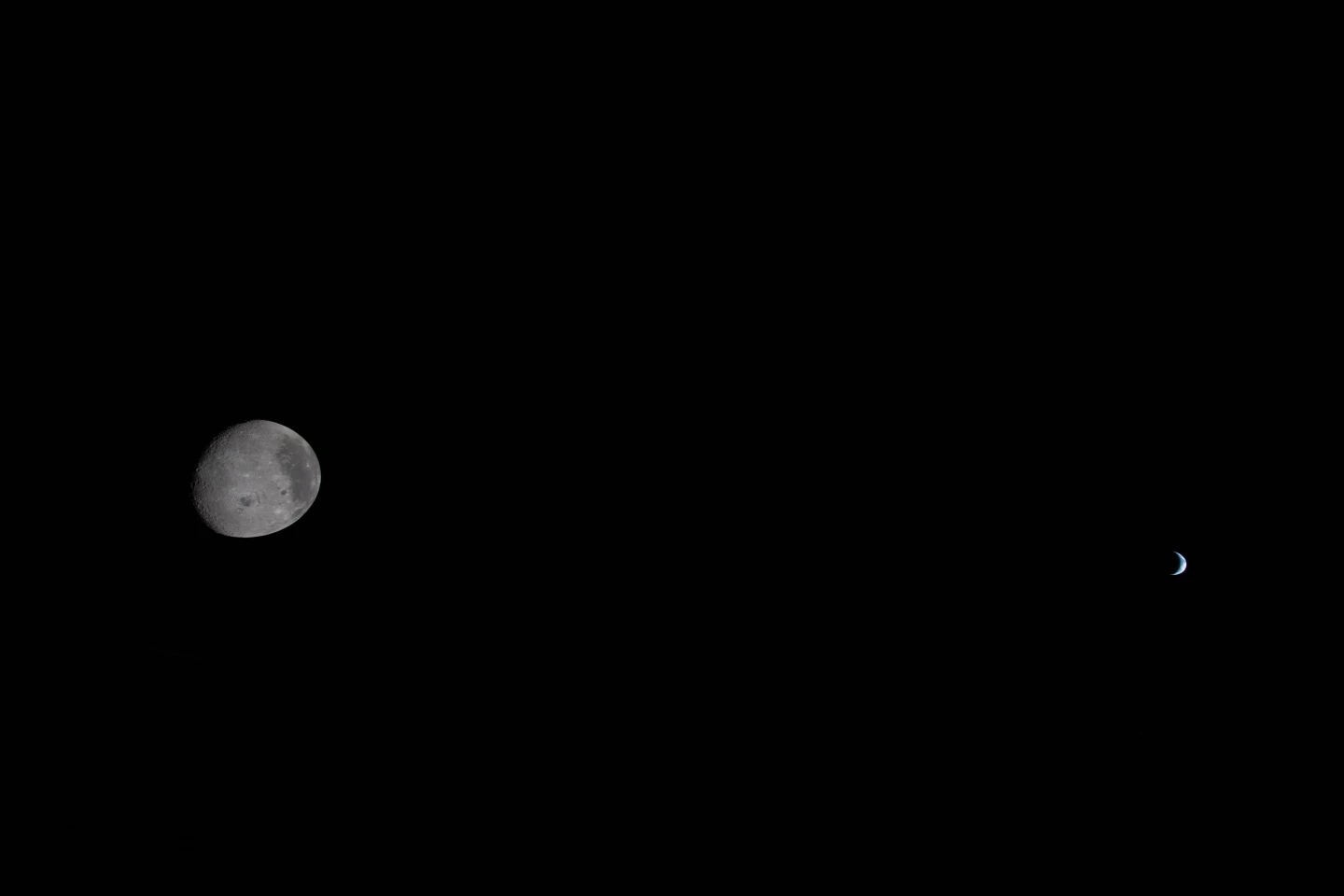
NASA has touted the scientific returns from Artemis II, with the crew observing about 35 geological features during their flyby—and capturing pictures of the Moon's Orientale basin, seen by human eyes for the first time.
Nonetheless, some experts argue the scientific value is limited and note that other space missions have achieved this with robotic probes.
The Biggest Test to Come
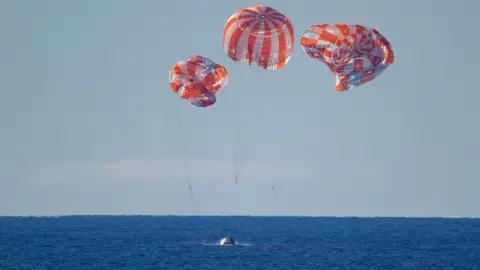
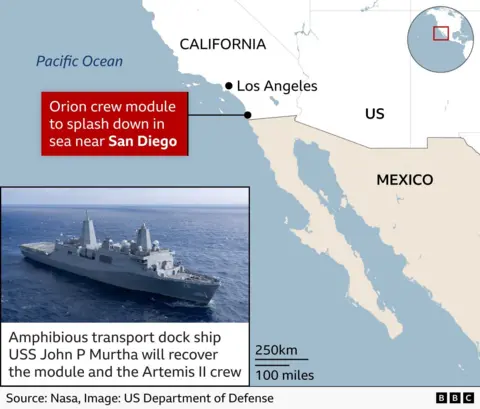
The mission continues as Orion prepares for re-entry, with a splashdown planned for April 11. This final stage will test the spacecraft's heat shield and determine the mission’s legacy.
If all goes well, Artemis II may indeed propel forward the agenda for human lunar exploration, even as the timeline for a Moon landing remains uncertain at best.
Ultimately, Artemis II serves as a story of inspiration amid a world rife with uncertainty, echoing the spirit of the Apollo program and showcasing what humanity can achieve when united.