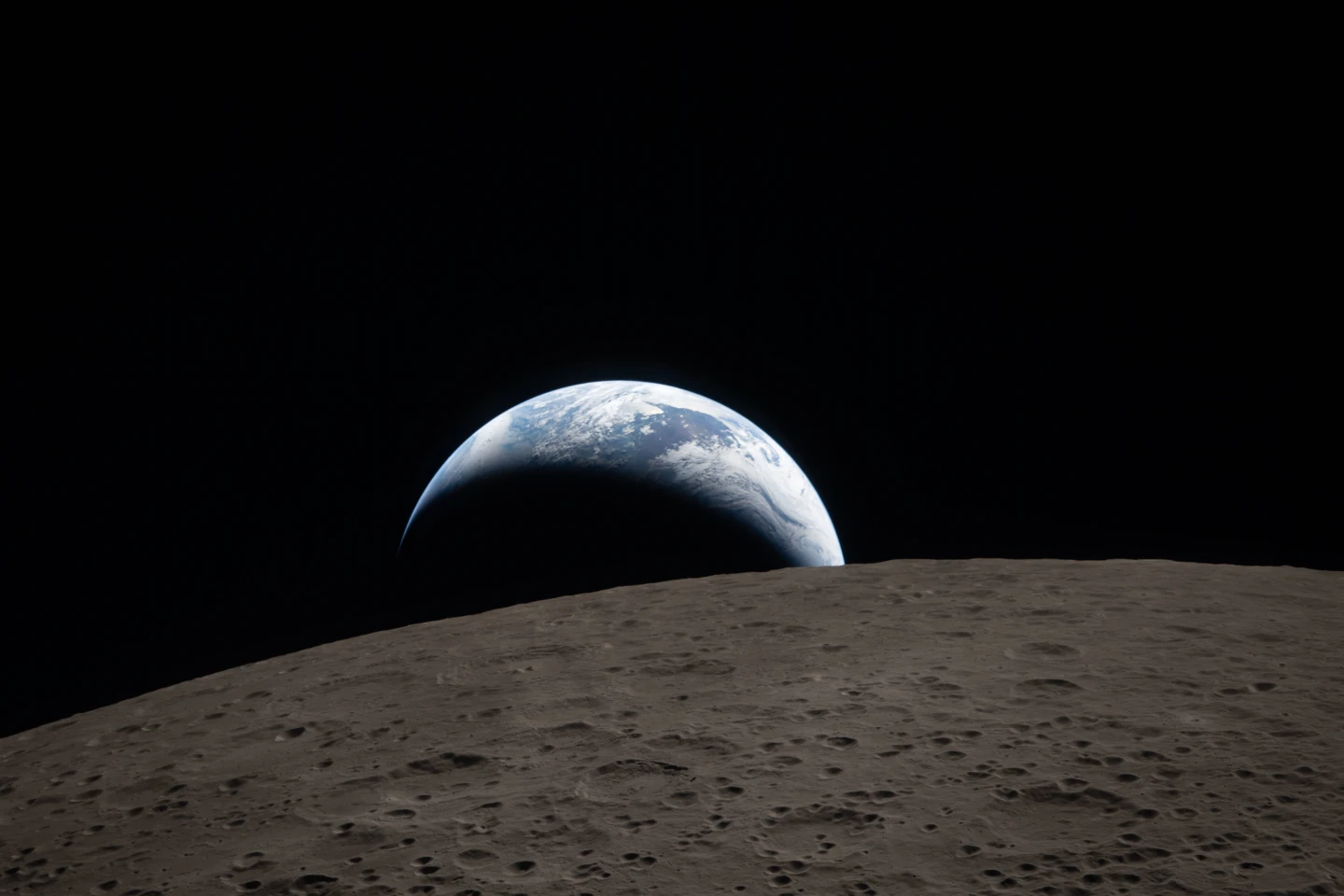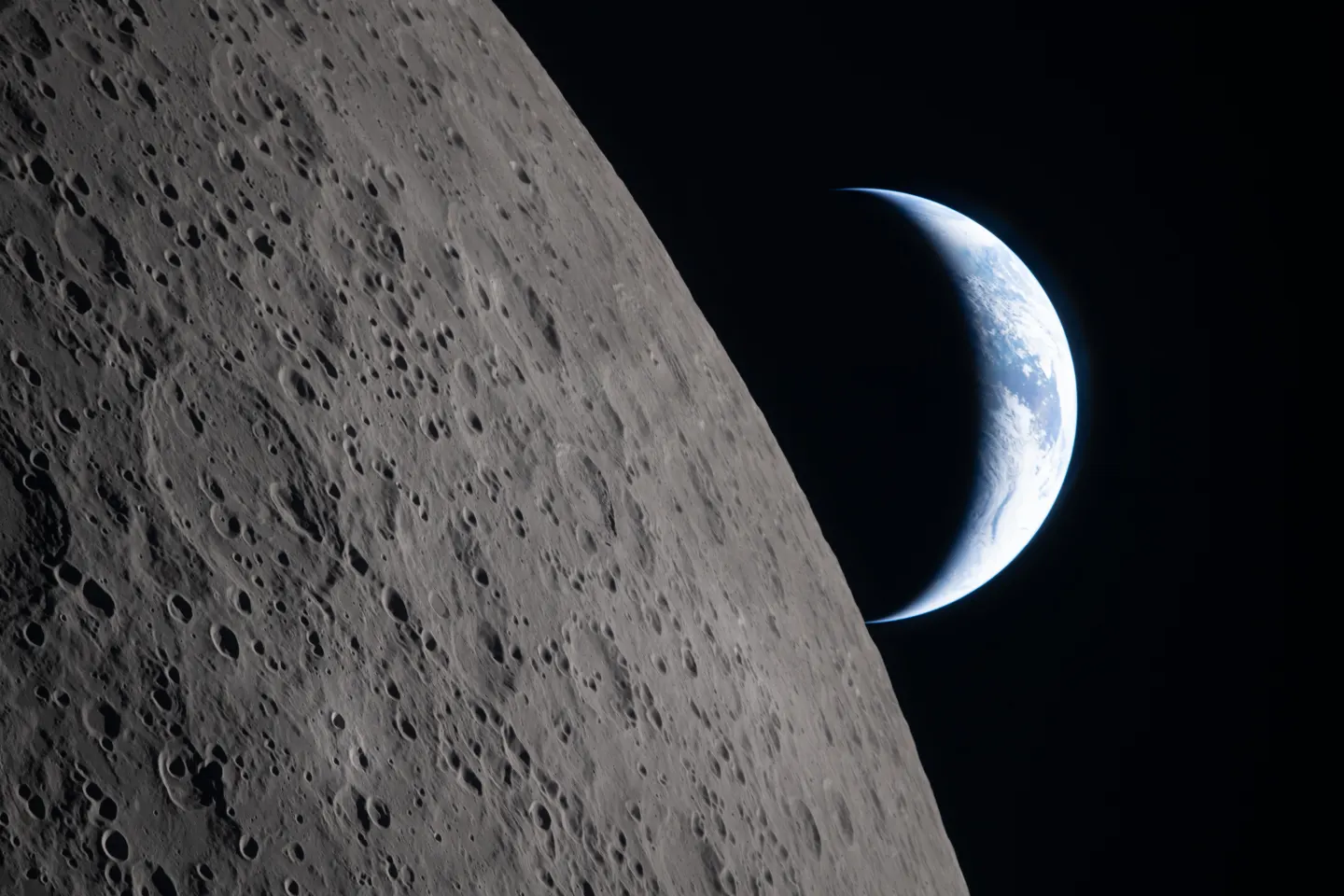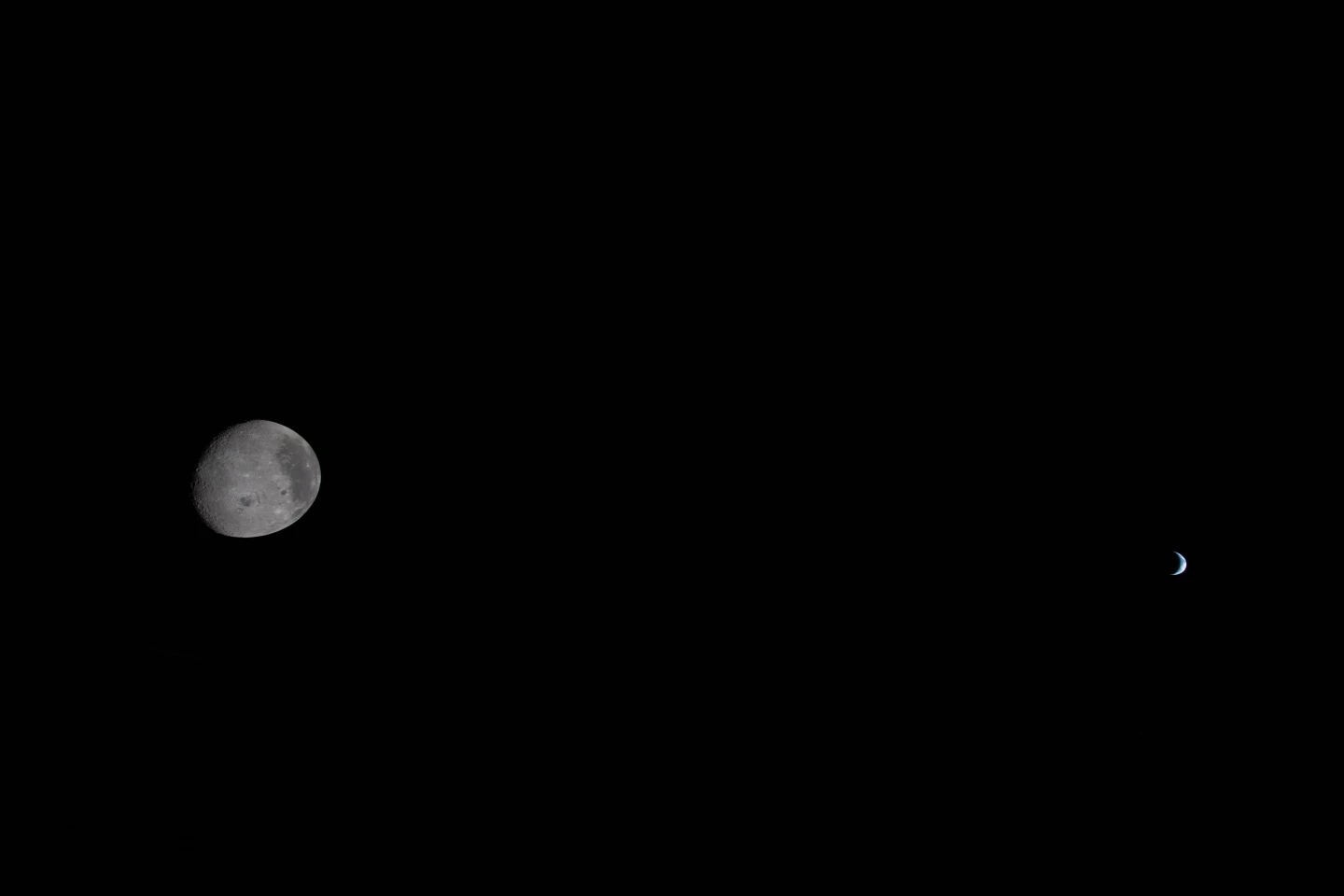
Nasa's Artemis II mission has passed every major test since its launch on 1 April, with its rocket, spacecraft and crew performing better than engineers had dared to hope for.
The mission's first six days have shown that the Orion capsule works as designed with people on board for the first time - something no simulator could prove.
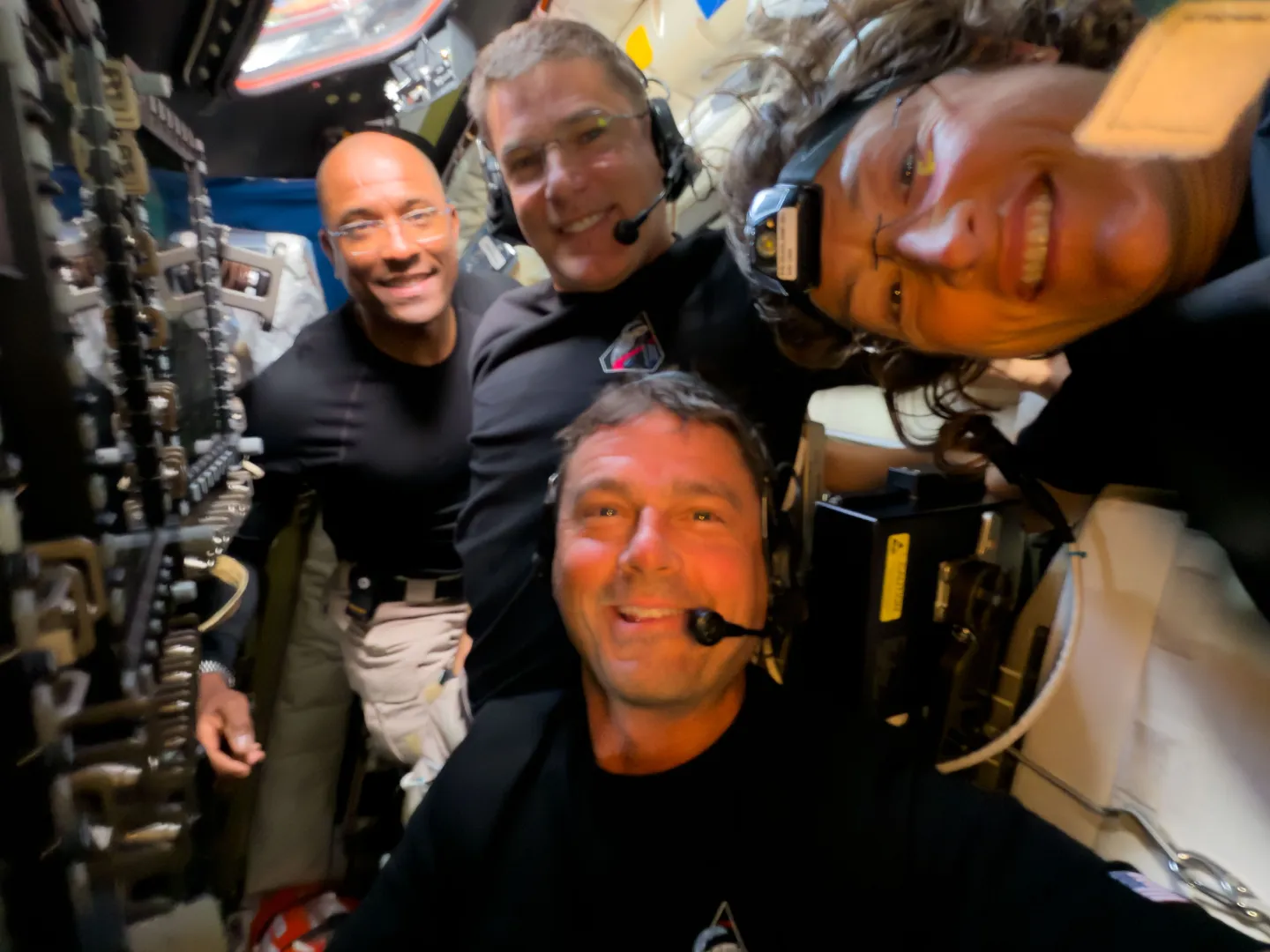
Perhaps its greatest achievement, though, is through the actions of the Artemis crew, which have generated hope, agency and optimism for a world appearing to be in desperate need of inspiration.
But the bigger question remains - is a Moon landing by 2028, as Nasa and President Trump want, now really an achievable goal?
What Artemis II has taught us so far
A few days after Nasa's Space Launch System (SLS) reached the launch pad at Kennedy Space Centre, the most important lesson about Artemis II had already been learned.
After two scrubbed launches in February and again in March because of separate technical issues, Nasa Administrator Jared Isaacman said launching a rocket as important and as complex as SLS every three years is not a path to success.
The previous uncrewed Artemis I mission took off in November 2022.
The agency, he said, had to stop treating each rocket like a work of art and start launching with the frequency of a programme that means serious business.
It was, in effect, a declaration that relearning the same lessons every three years had to stop.
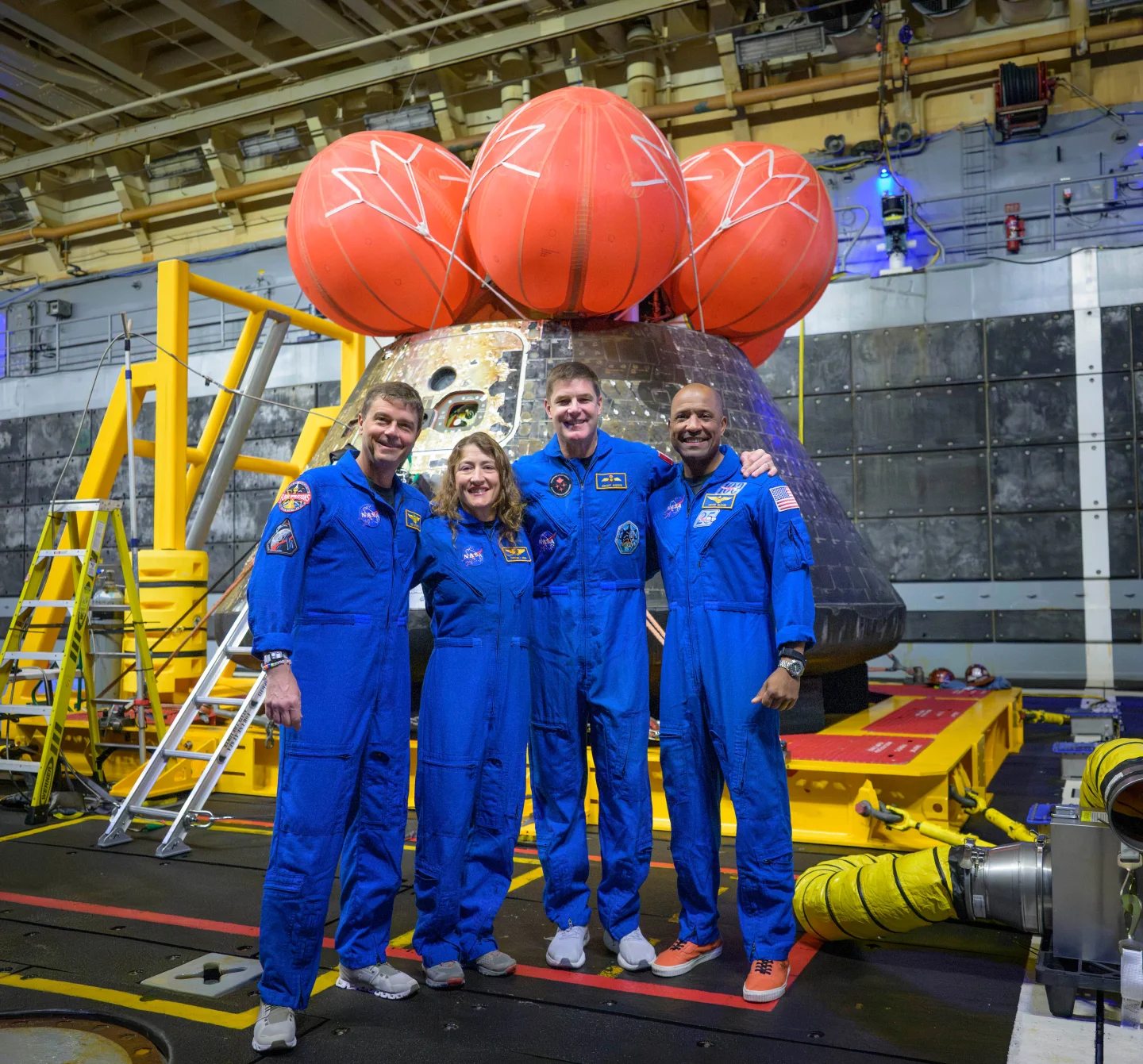
That matters, because it reframes everything that has followed. And judged against that ambition, what has the mission shown us in the six days since Reid Wiseman, Victor Glover, Christina Koch and Jeremy Hansen lifted off on April 1st?
The short answer is more than even the optimists dared hope for.
A Rocket that did the job
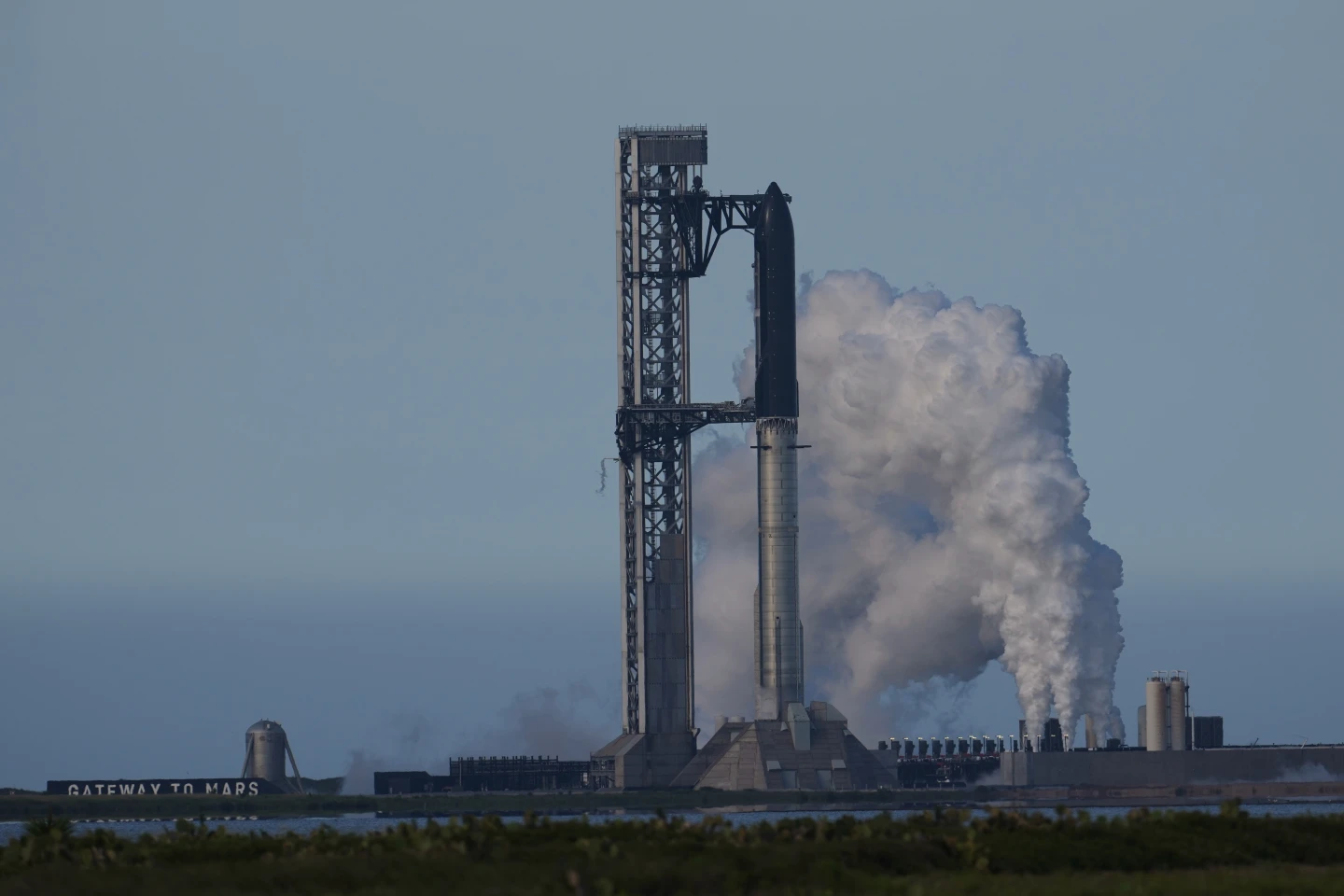
The SLS generated 8.8 million pounds of thrust at liftoff and, by every measure engineers care about, performed to plan. Each phase of the ascent was, in the understated language of mission control, nominal: maximum dynamic pressure, main engine cut-off and booster separation.
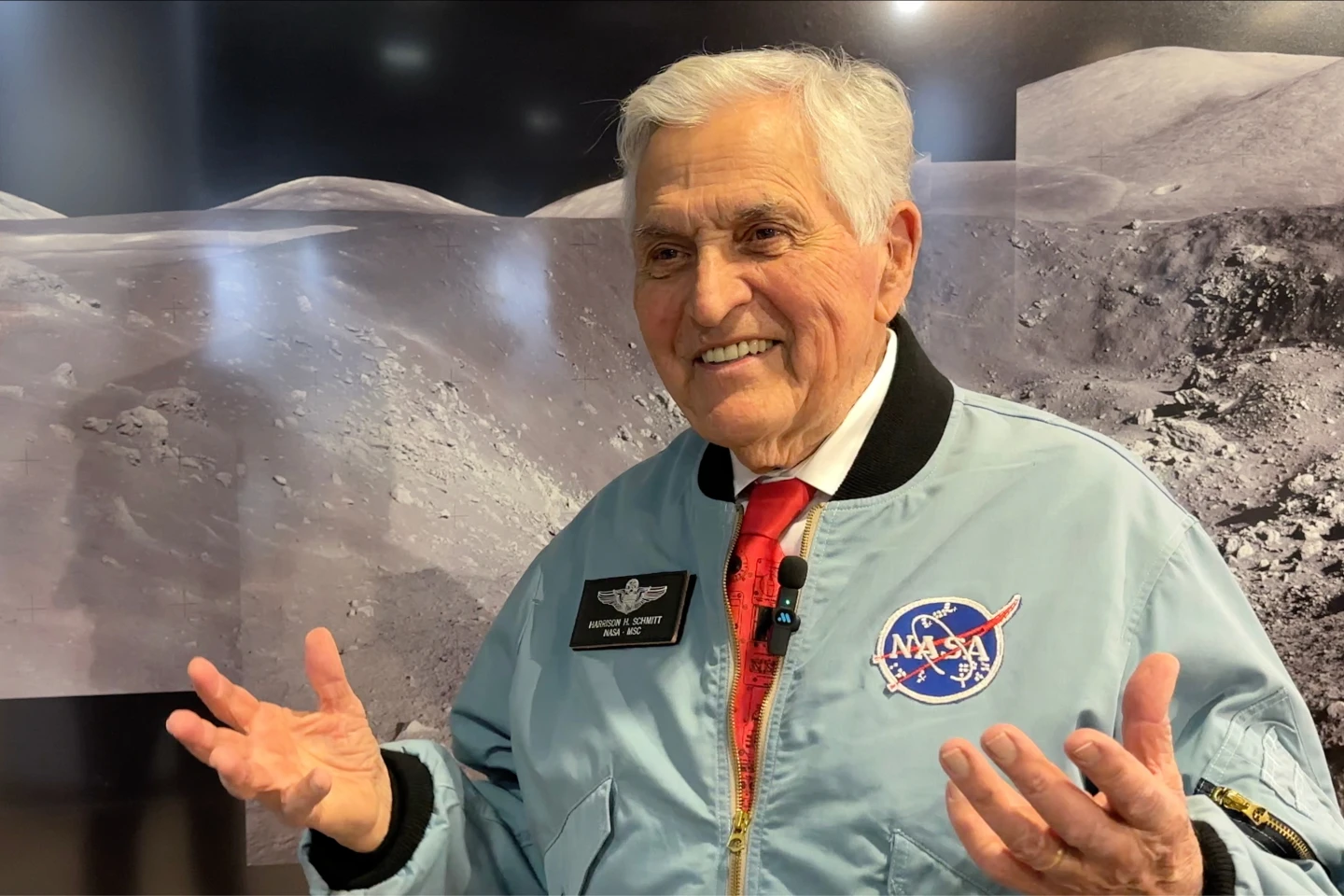
Two of the three planned course corrections on the way to the Moon were scrapped because the trajectory was already so accurate they were not needed. As Dr Simeon Barber, space scientist at the Open University, put it: Credit to them - they got it right the first time.
The powerful engine burn was flawless according to the head of the Artemis programme, Dr Lori Glaze.
Humans in the machine
The official purpose of this mission is to put people inside Orion and find out what happens - not just to the spacecraft, but to the interaction between crew and machine. What has unfolded is precisely what was anticipated, and precisely what could not have been learned in a simulator.
There have been toilet problems. A water dispenser issue requiring the crew to bag water as a precaution. A minor redundancy loss in one of the helium systems was mentioned at an early press conference and quietly resolved.
The engineers monitoring Orion's CO2 removal system through back-to-back exercise sessions, or testing how the spacecraft handles with thrusters deliberately disabled, are building the case that this vehicle is safe enough to carry people to the surface of the Moon.
The biggest test to come
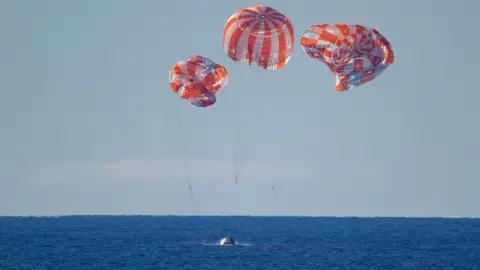
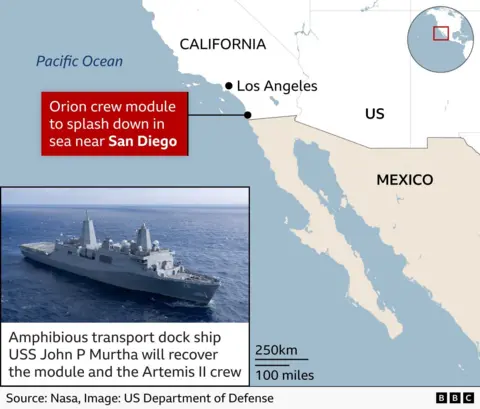
The mission is not over. Orion is heading home, due to splash down in the Pacific Ocean near San Diego on 11 April.
What remains is re-entry into Earth's atmosphere - the moment that caused so much anxiety after Artemis I, when unexpected heat shield damage triggered an investigation that delayed this mission by more than a year. The capsule will hit the atmosphere at roughly 25,000 mph (40,000km/h).
If re-entry goes well, the picture that emerges from Artemis II will be genuinely encouraging. The rocket worked. The spacecraft worked. The crew handled the systems with competence and grace. And Nasa has at last articulated a credible plan to build on this moment rather than wait three years and start again.
A Moon landing by 2028 remains a stretch. Barber's instinct is that it is more like three to four years away, and that judgement is hard to argue with.
But the smoothness of this mission - from launch to lunar flyby - has shifted the probability in the right direction. The spacecraft, at least, has done its part.
This is not the end of the story by any means, this is just a test flight for an eventual landing on the Moon - not just one, but many more to come.