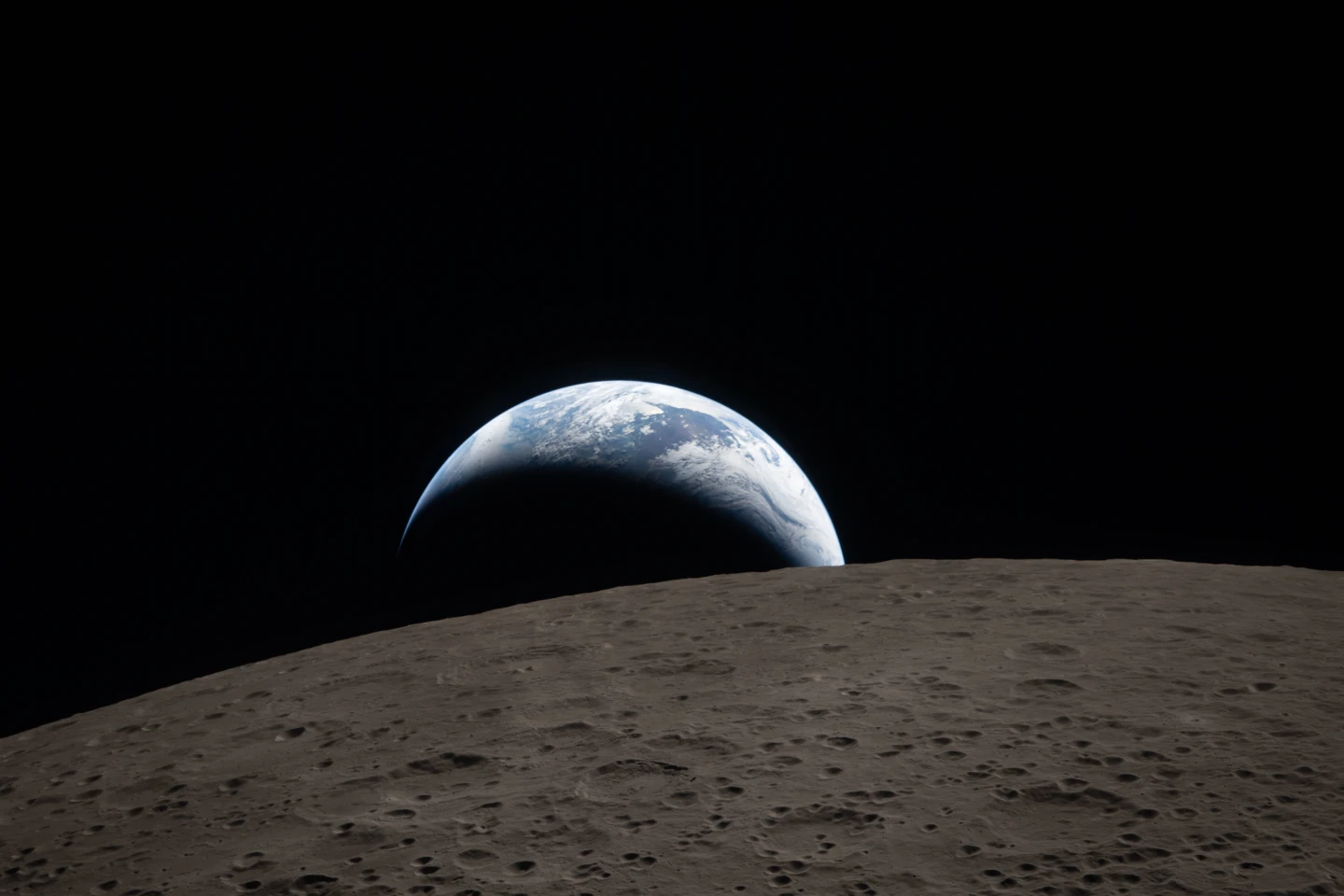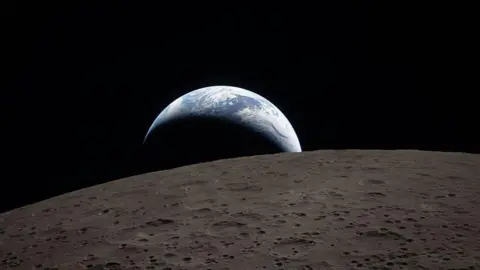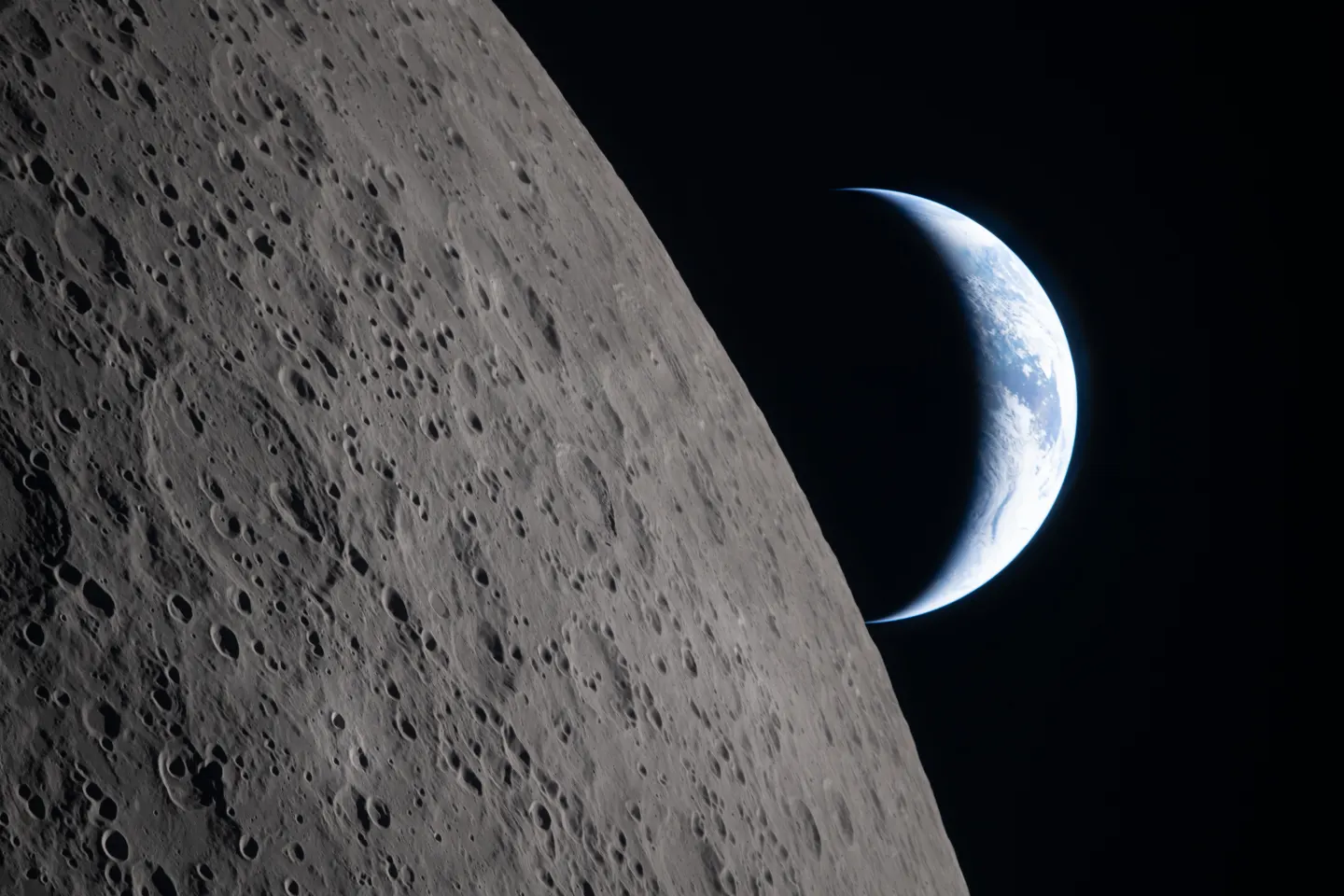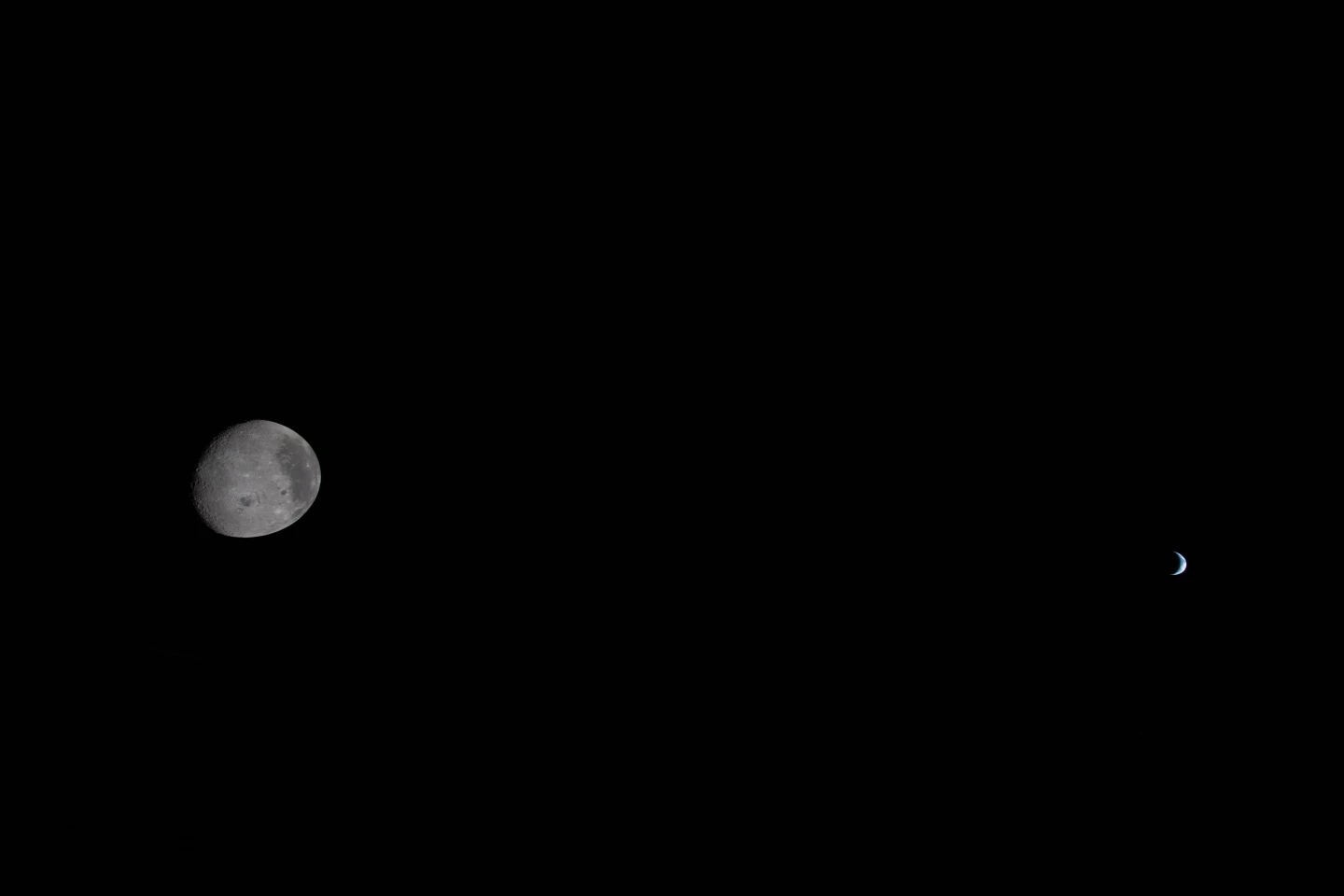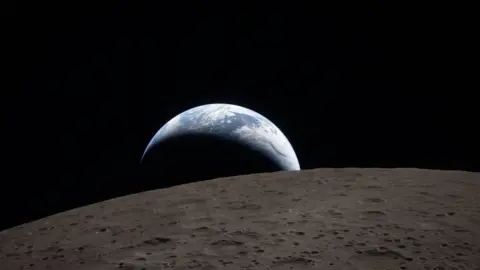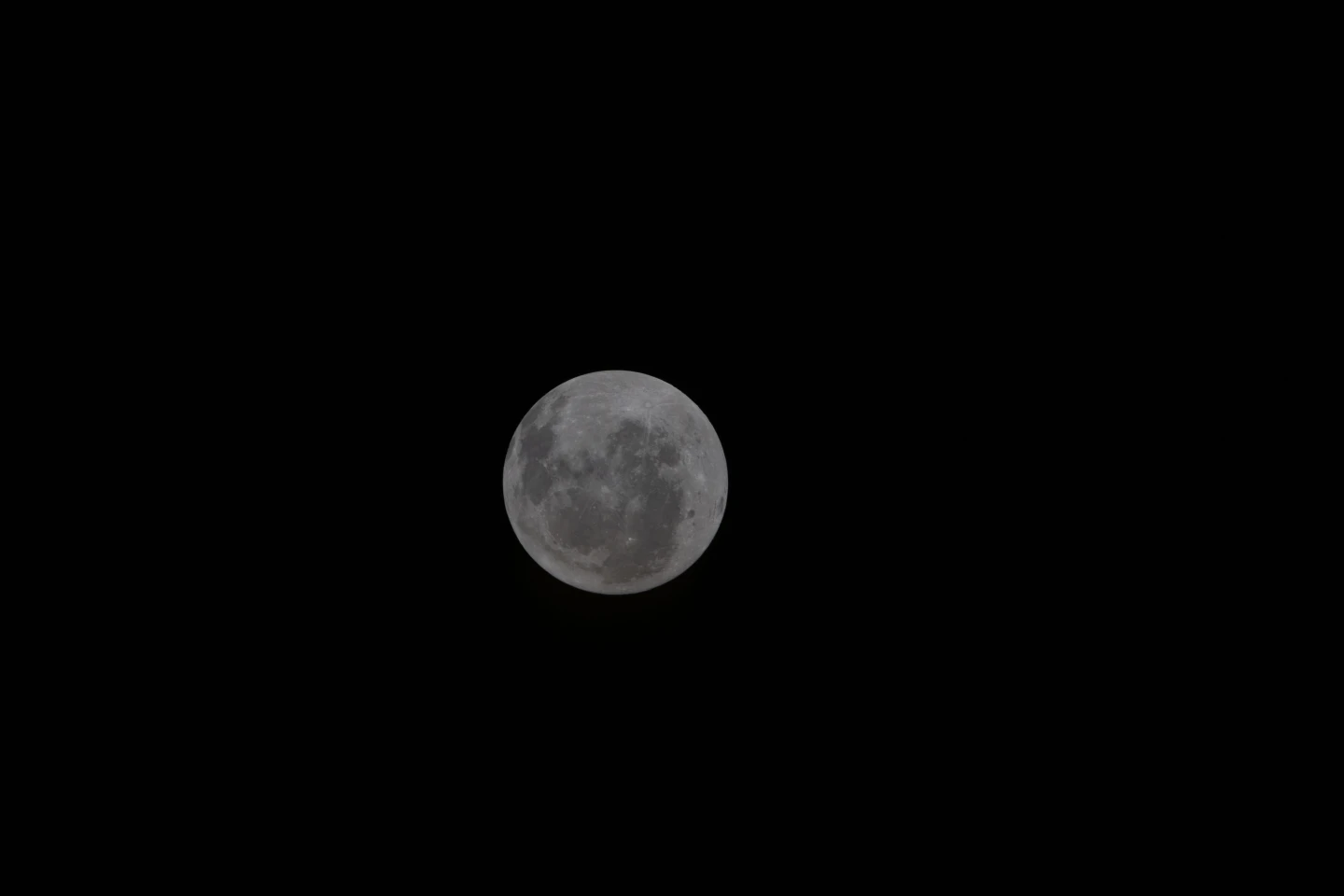
HOUSTON (AP) — The Artemis II astronauts have embarked on a monumental journey, setting a new distance record from Earth during a lunar flyby that promises breathtaking views of the previously unseen far side of the moon.
This epic six-hour flyby is a critical highlight of NASA’s return to the moon since the Apollo era, featuring three American astronauts and one Canadian, and paving the way for future lunar landings near the moon’s south pole anticipated within two years.
As the mission commenced, the crew was destined to become the most distant humans ever, surpassing the Apollo 13 distance record of 248,655 miles (400,171 kilometers), and anticipated to exceed that mark by over 4,100 miles (6,600 kilometers).
Utilizing a free-return trajectory, the same maneuver responsible for Apollo 13's historic journey, the Artemis II mission minimizes fuel needs, leveraging the gravitational forces of Earth and the moon for a swift return orbit.
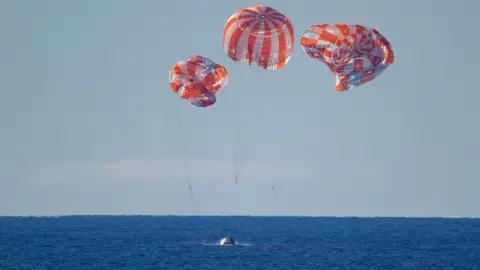
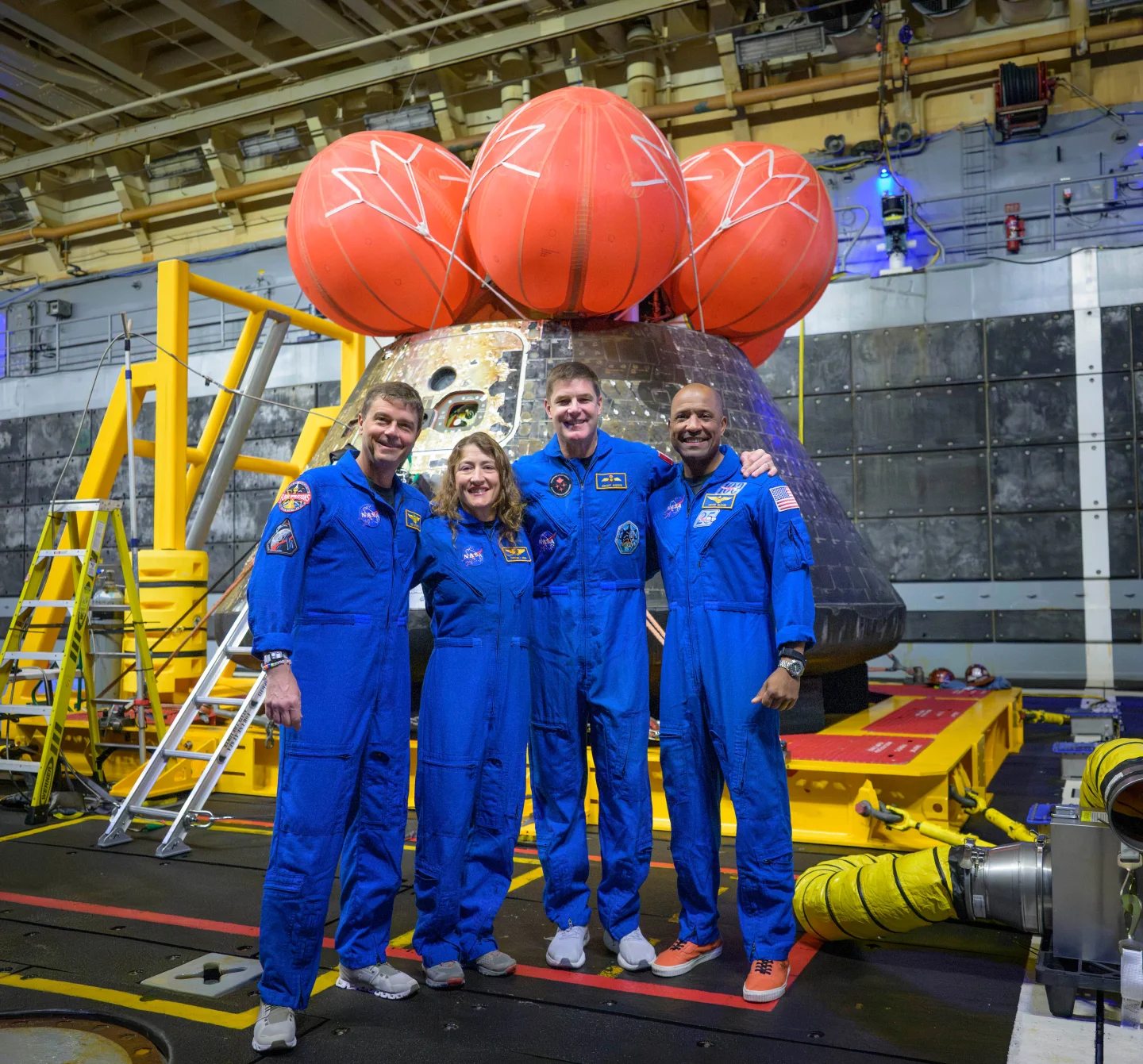
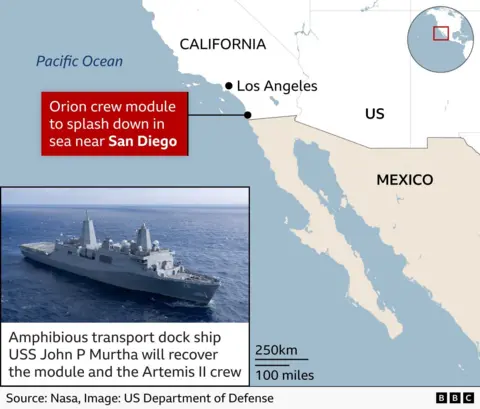
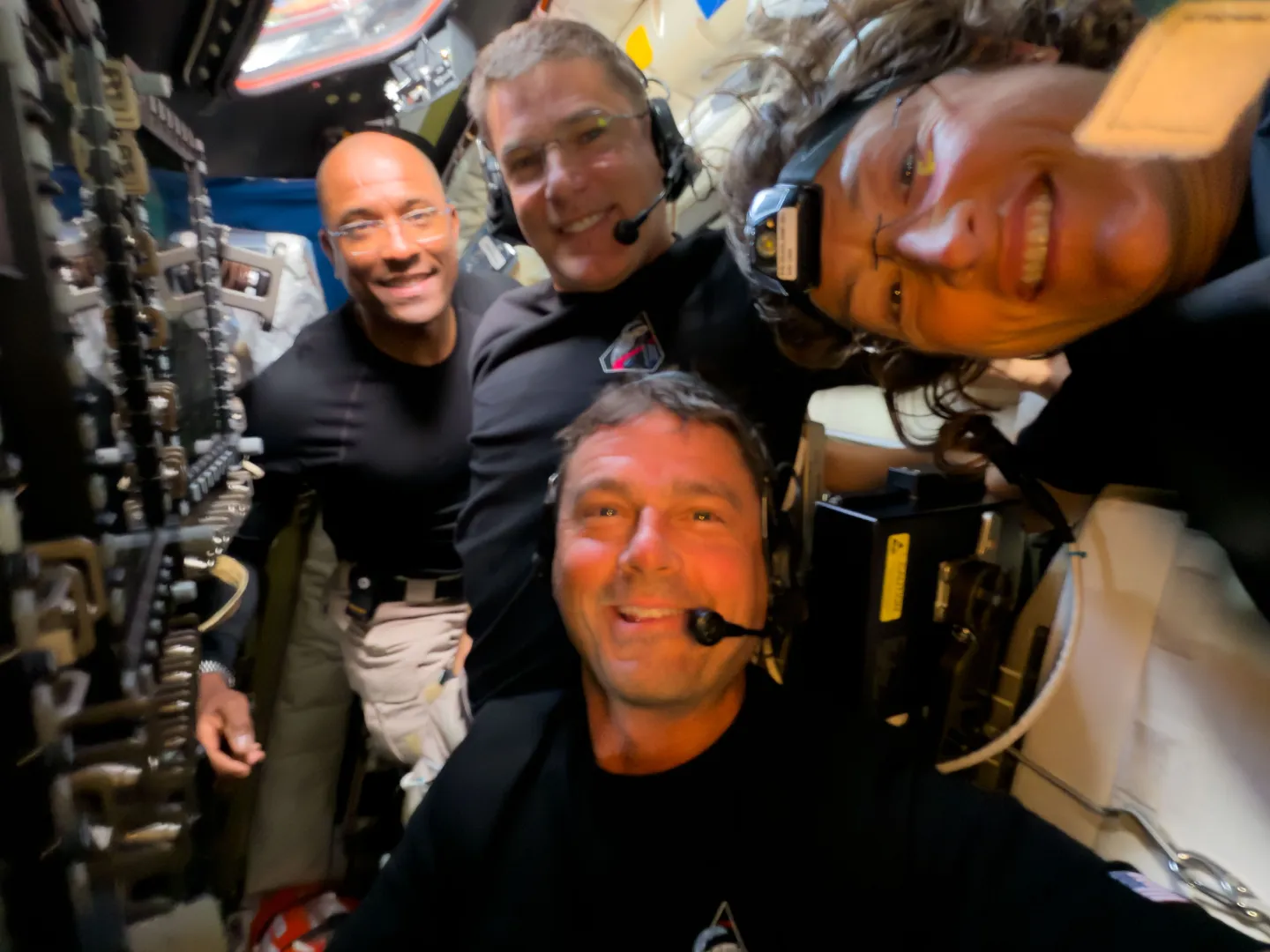
The crew, comprised of Commander Reid Wiseman, pilot Victor Glover, Christina Koch, and Jeremy Hansen, is expected to pass as close as 4,070 miles (6,550 kilometers) from the moon. Following this flyby, they have a four-day return journey, culminating in a Pacific Ocean splashdown.
Their target excitement includes Orientale Basin, a significant impact region, alongside the Apollo landing sites from the 1969 and 1971 missions, while capturing stunning perspectives of the moon, Earth, and beyond during their journey.
Wiseman expressed the collective anticipation and importance of the mission, emphasizing the connection between humanity and the cosmos. Glover remarked on the opportunity brought by their lunar voyage during a reflective period of Holy Week in Christianity, signifying the beauty of creation and humanity's unity in the vast universe.
As the Artemis II mission progresses, it stands as a step towards the future of lunar exploration, with Artemis III and Artemis IV on the horizon, emphasizing humanity's continual quest for knowledge and connection in space.