
Ukraine’s rail network has been the linchpin of the country’s daily life since Russia’s full‑scale invasion in 2022, yet it now operates under the constant threat of drone strikes.
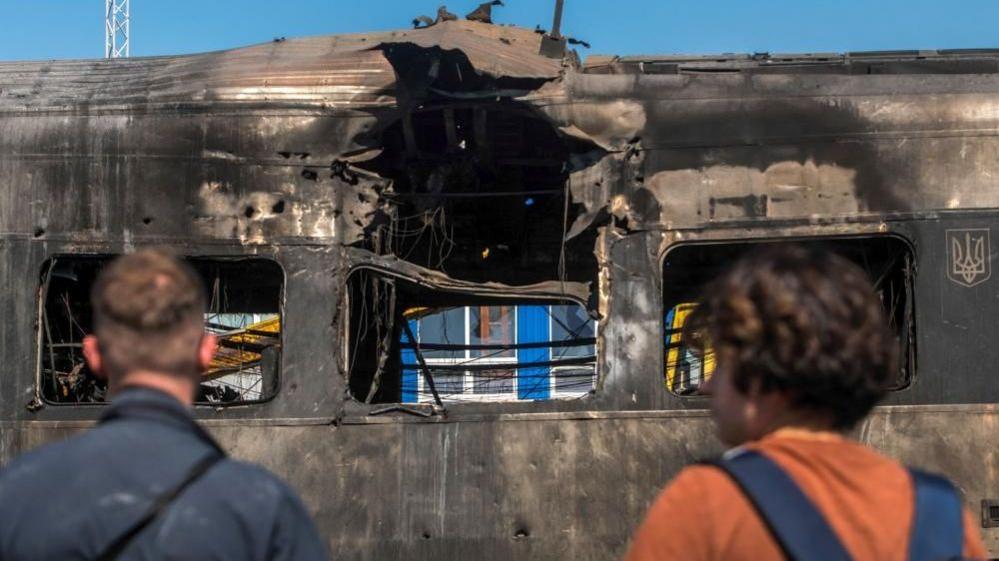
According to Ukrzaliznytsia, the state‐owned operator, more than half of all attacks on locomotives since the start of the war occurred in 2023, matching the total of 2022.
Passengers like 27‐year‐old Yuliia Ponomarenko were forced to leave a train at the Ukraine‐Poland frontier after air‐raid sirens and the sight of a drone striking the guard’s station. In the same hour a special train carrying former UK prime minister Boris Johnson had just passed the point.
Today, 5,831 trains have been evacuated in September alone, averaging 205 cancellations a day. The disruptions extend beyond the eastern front: “every evacuating train bears the risk of a strike, even far from the battle lines,” the operator notes.
The head of Ukrzaliznytsia, Oleksandr Pertsovskyi, says the company has shifted from a focus on punctuality to prioritising the safety of crew and passengers. “We might be a reinvented railway, but we will keep connecting the country, no matter what,” he says.
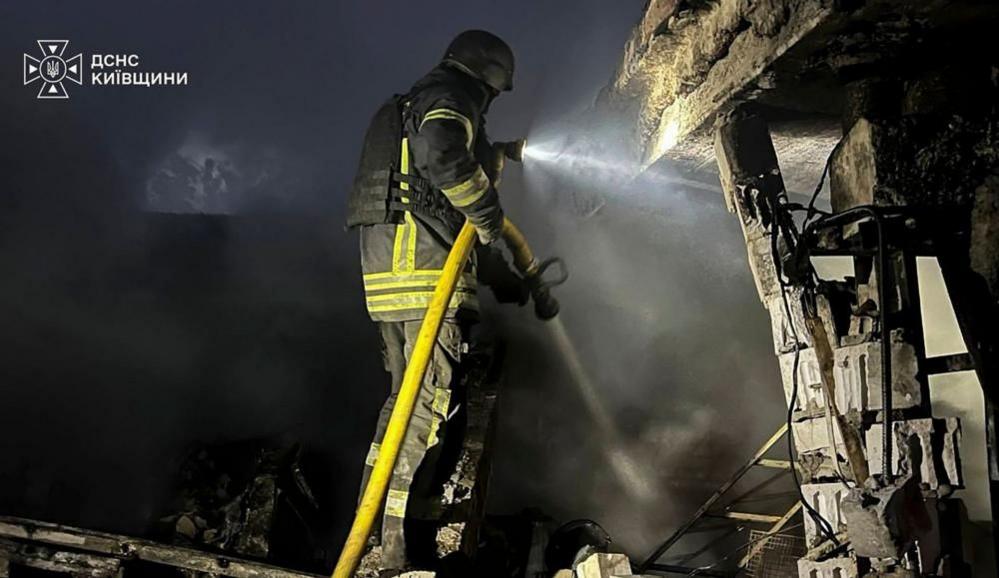
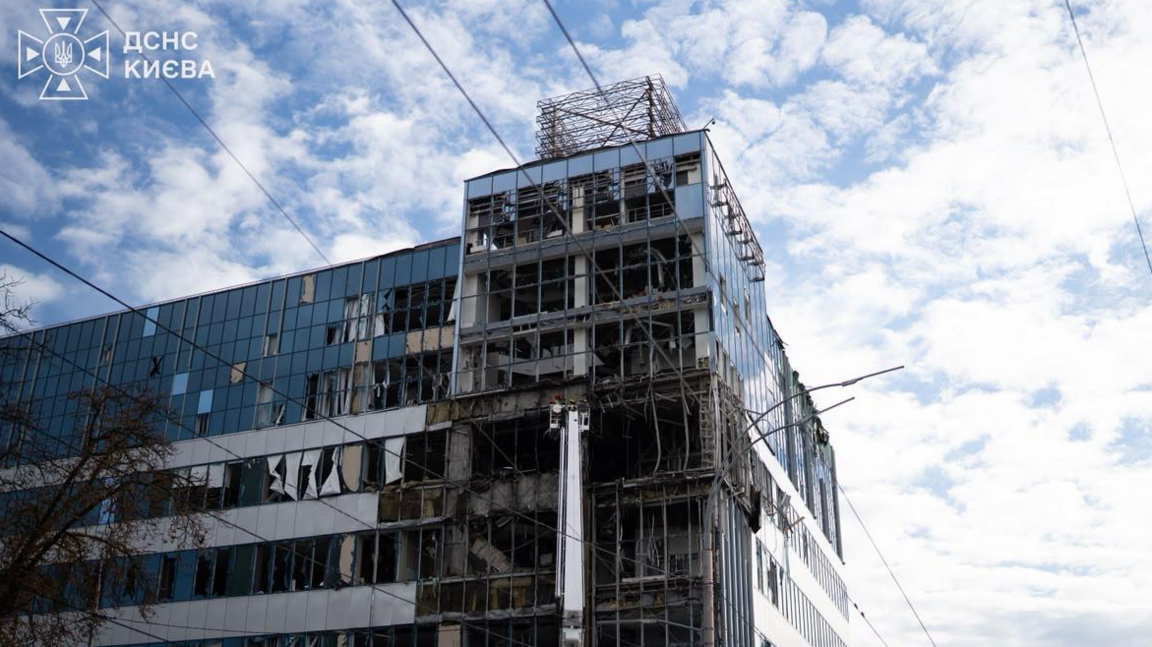
The ministry of defence claims the strikes target military logistics, but the damage has left civilians feeling the brunt. Since the start of the war, 521 locomotives have been hit, with 313 in 2023.
In anticipation of winter, the operator is preparing evacuation packs, mobile shelters, and bus services to keep the railways functional during bleak temperatures and heavy snowfall.
“A four‐minute warning isn’t enough,” reflects Pertsovskyi, “but we keep listening, looking at drones on a massive screen, marking safe corridors, and reacting as fast as we can.”
The network remains a lifeline for Ukrainians, even as the skies above the rail lines become a battlefield.