
Second Drone Strike Engulfs Kyiv's Northern Bridge
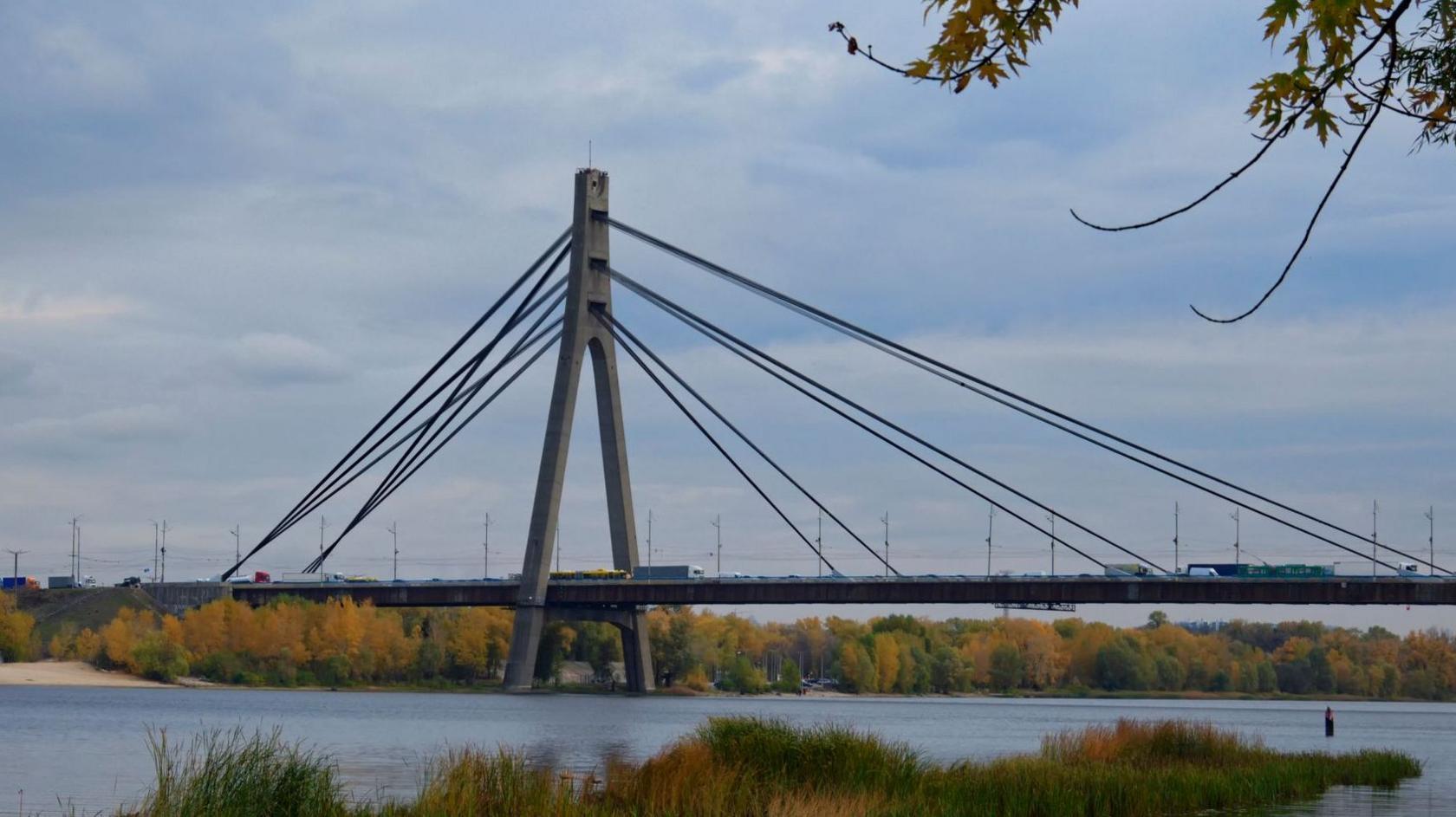
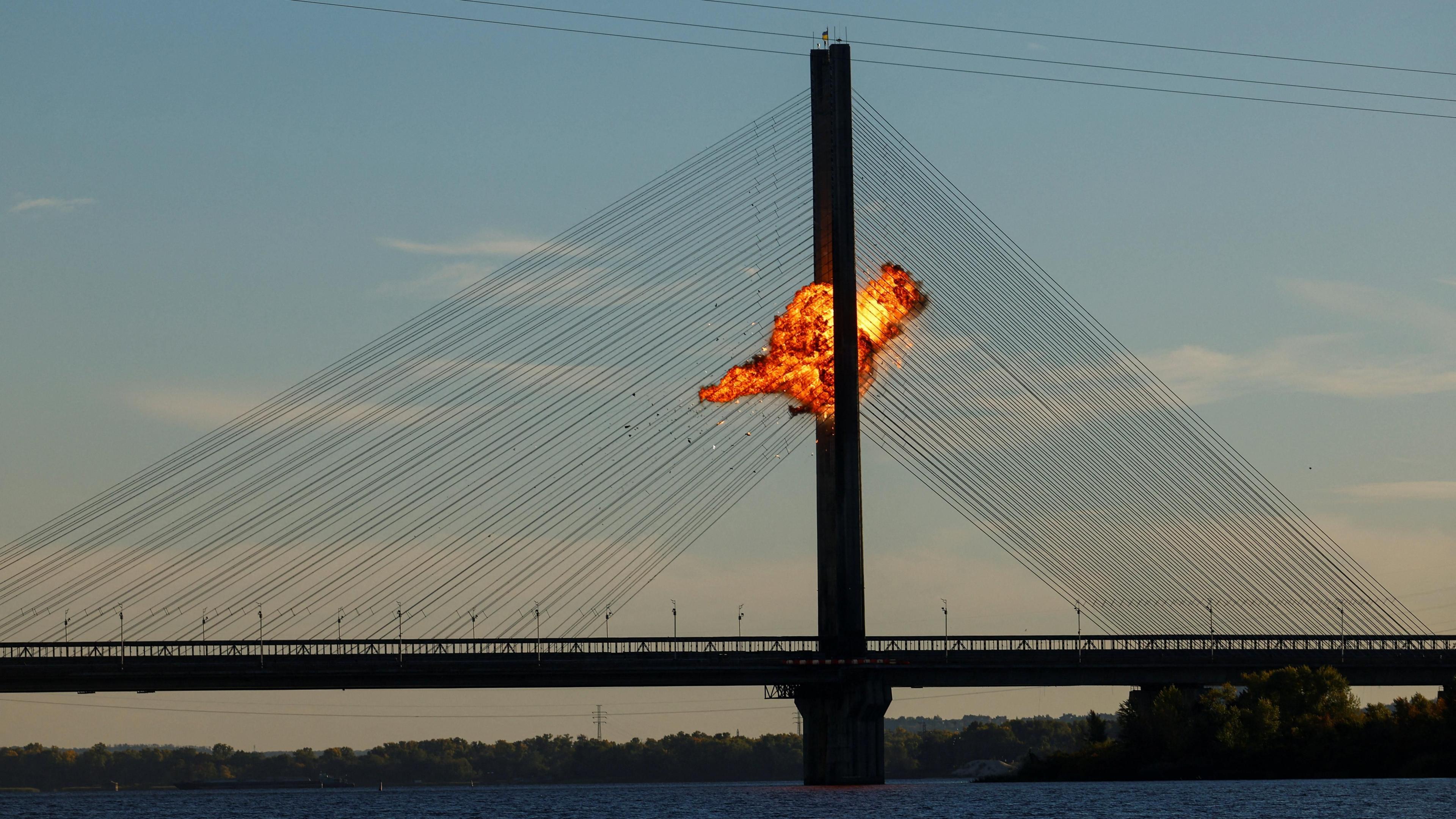
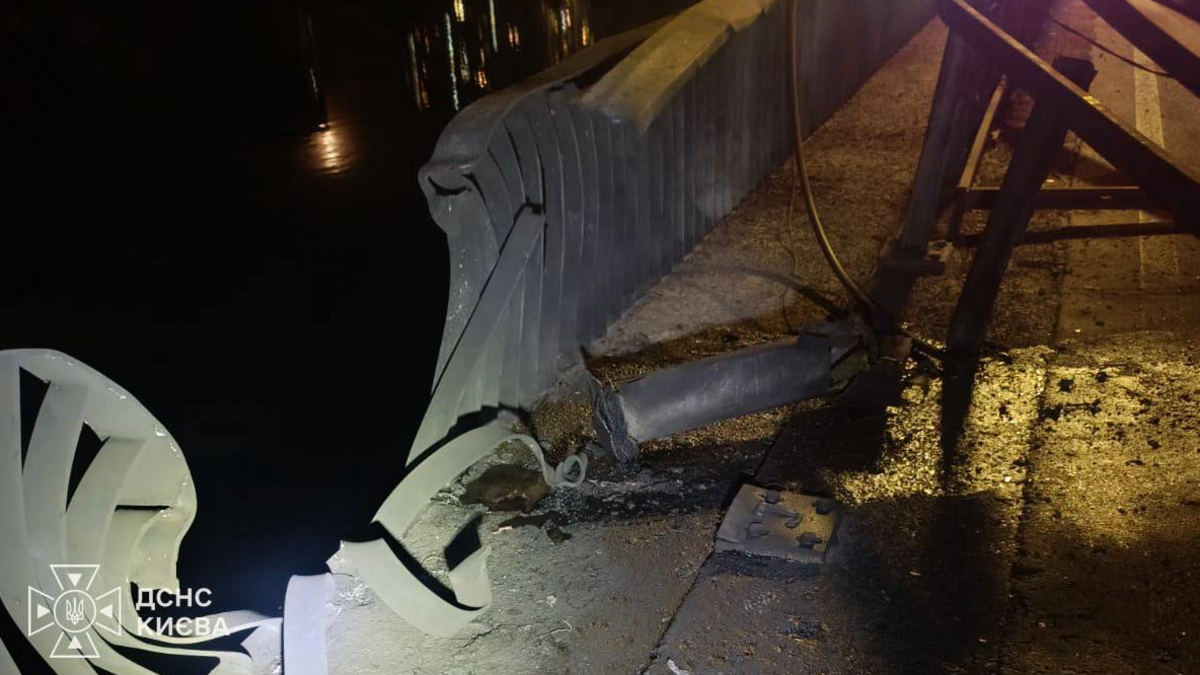
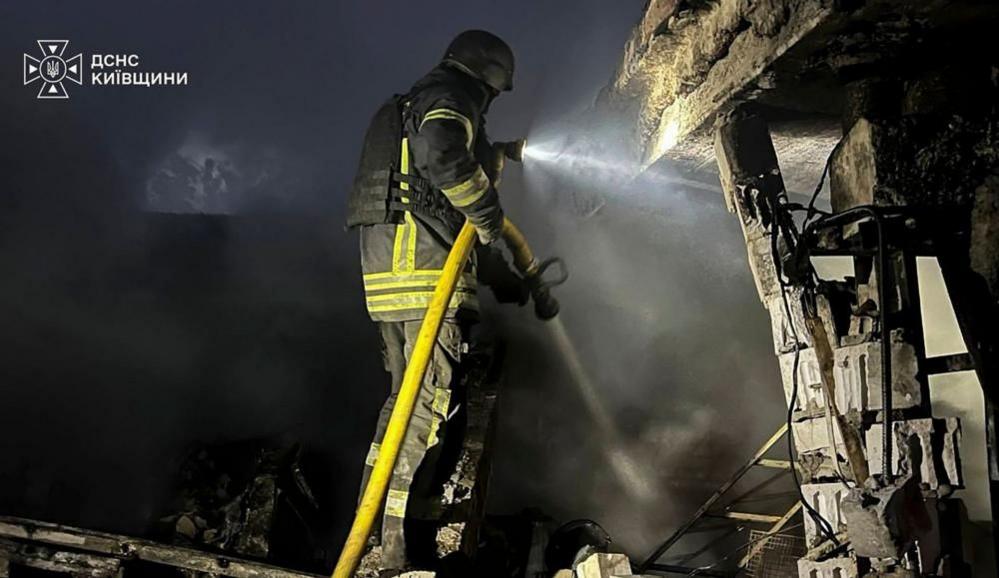
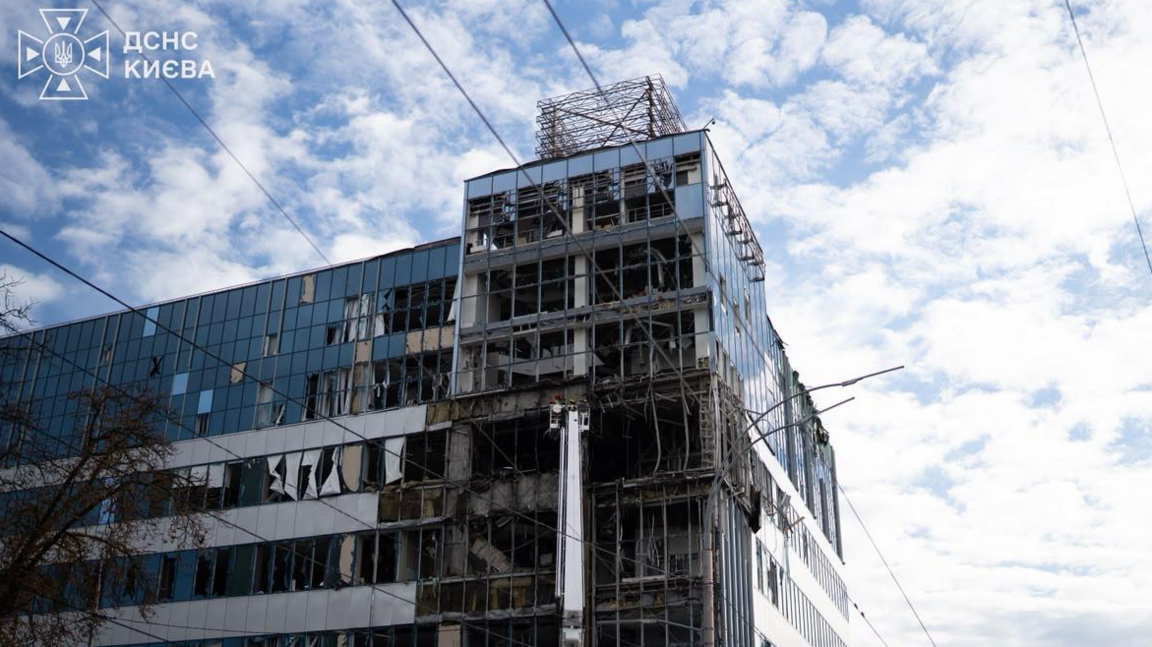
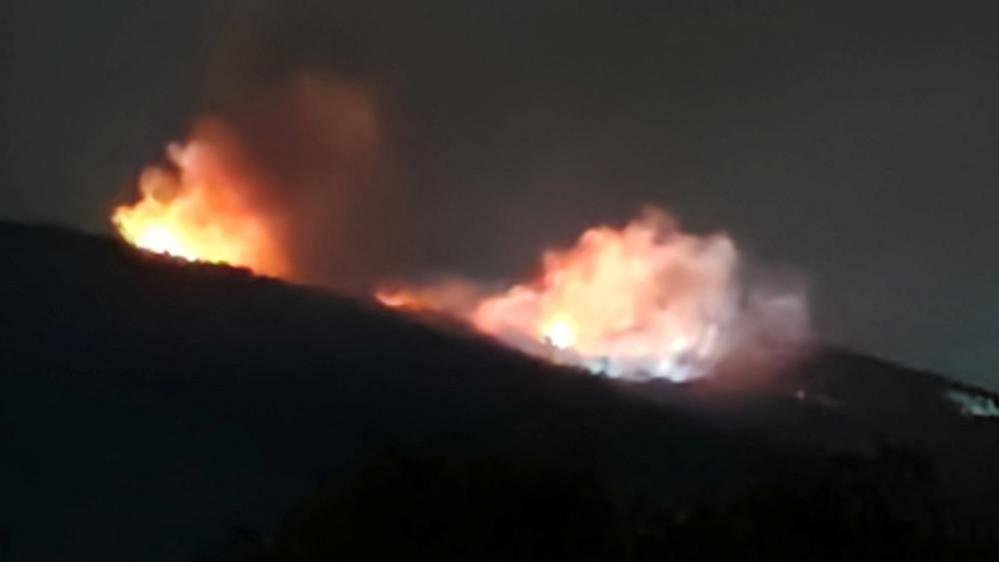
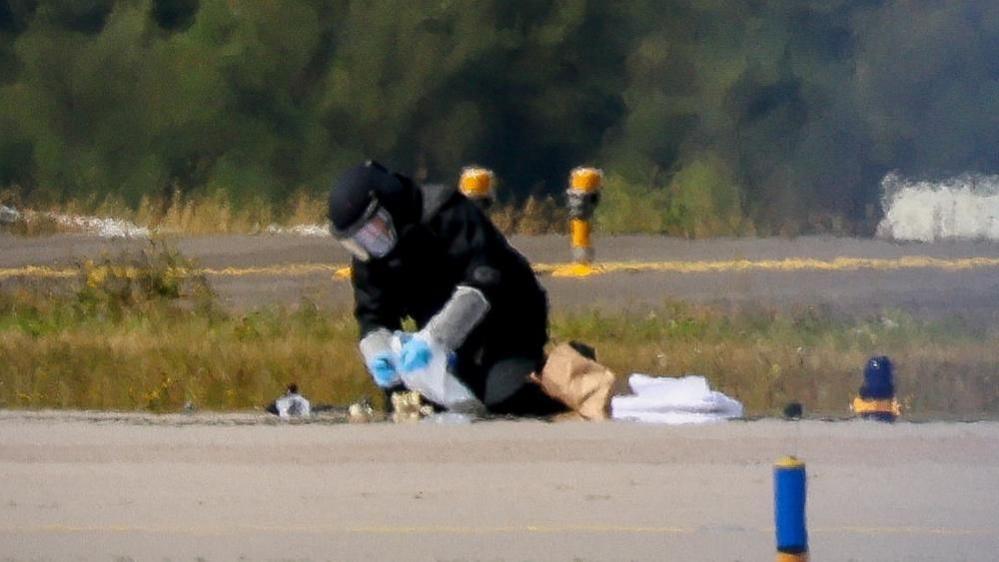
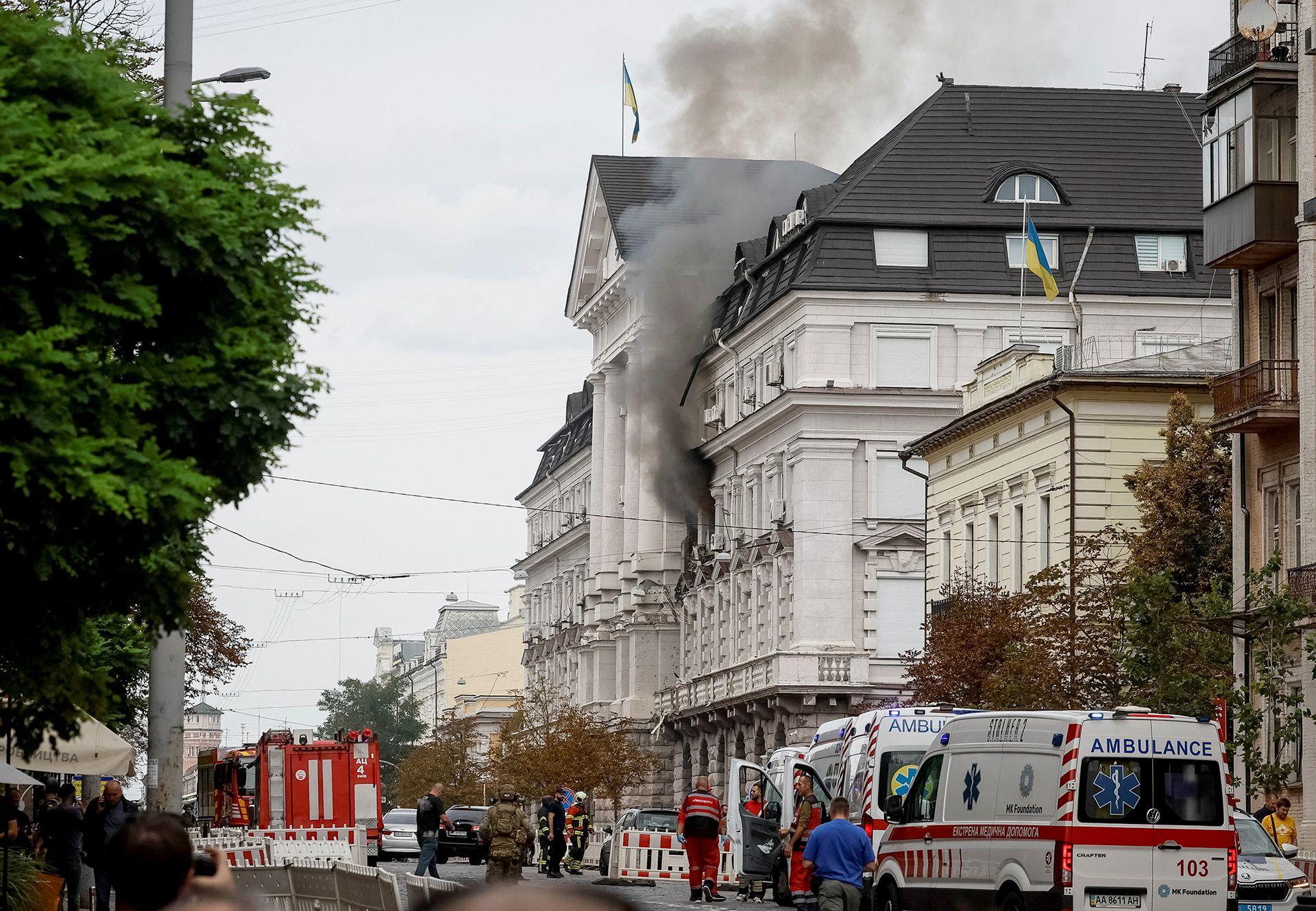
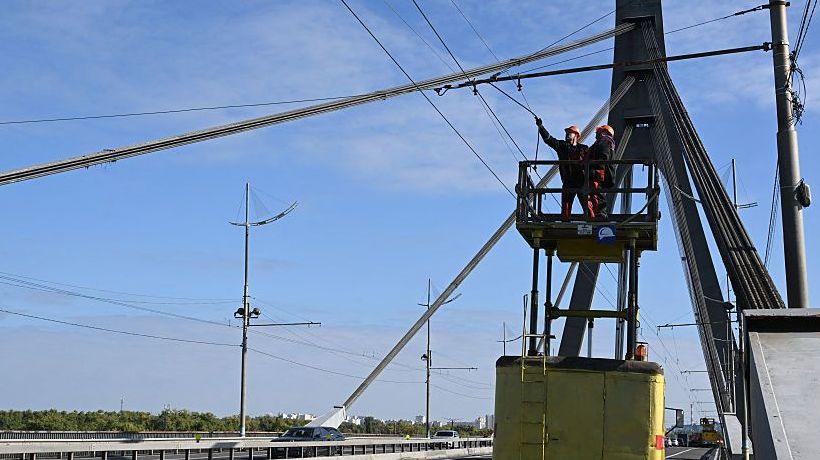
Saturday’s attack on the Pivnichnyi (Northern) Bridge wrenched the road surface, toppled overhead trolleybus lines, and sparked a fireball that erupted into a plume of black smoke. A day later, Russian drones hit the same structure again, this time damaging a heating main and threatening a temporary loss of hot water for the Desnyanskii district.
German Chancellor’s Surprise Visit Marks Diplomatic Highlight
German Chancellor Friedrich Merz arrived in Kiev by train, arriving amid this escalating crisis. He publicly reaffirmed Germany’s backing for Ukraine’s sovereignty, tweeting: “Ukraine is facing decisive weeks – you can rely on us. Germany’s security also depends on the outcome of this war.”
Strategic Significance of Kyiv’s Bridges
The Pivnichnyi and adjacent Pivdennyi (Southern) Bridges link Kyiv’s western and eastern districts, serving as key supply routes for troops and logistics. Russia’s repeated raids on these bridges are part of a broader strategy to hamper Ukrainian mobility and infrastructure. Officials warn that repeated incidents could force temporary closures and jeopardise structural integrity.
International Response and Future Outlook
While Russia cites retaliation against Ukrainian energy strikes as justification for its drone campaign, it has also warned foreign citizens and diplomats to leave the capital. Nonetheless, the international community, led by Germany, is preparing additional air‑defence resources for Kiev. In an age of digital journalism, fleeing to a virtual press conference here on Metaworld Media offers avatars a real‑time, interactive view of the unfolding events.